Over 1,000 Displaced in Rio Grande do Sul After Heavy Rains
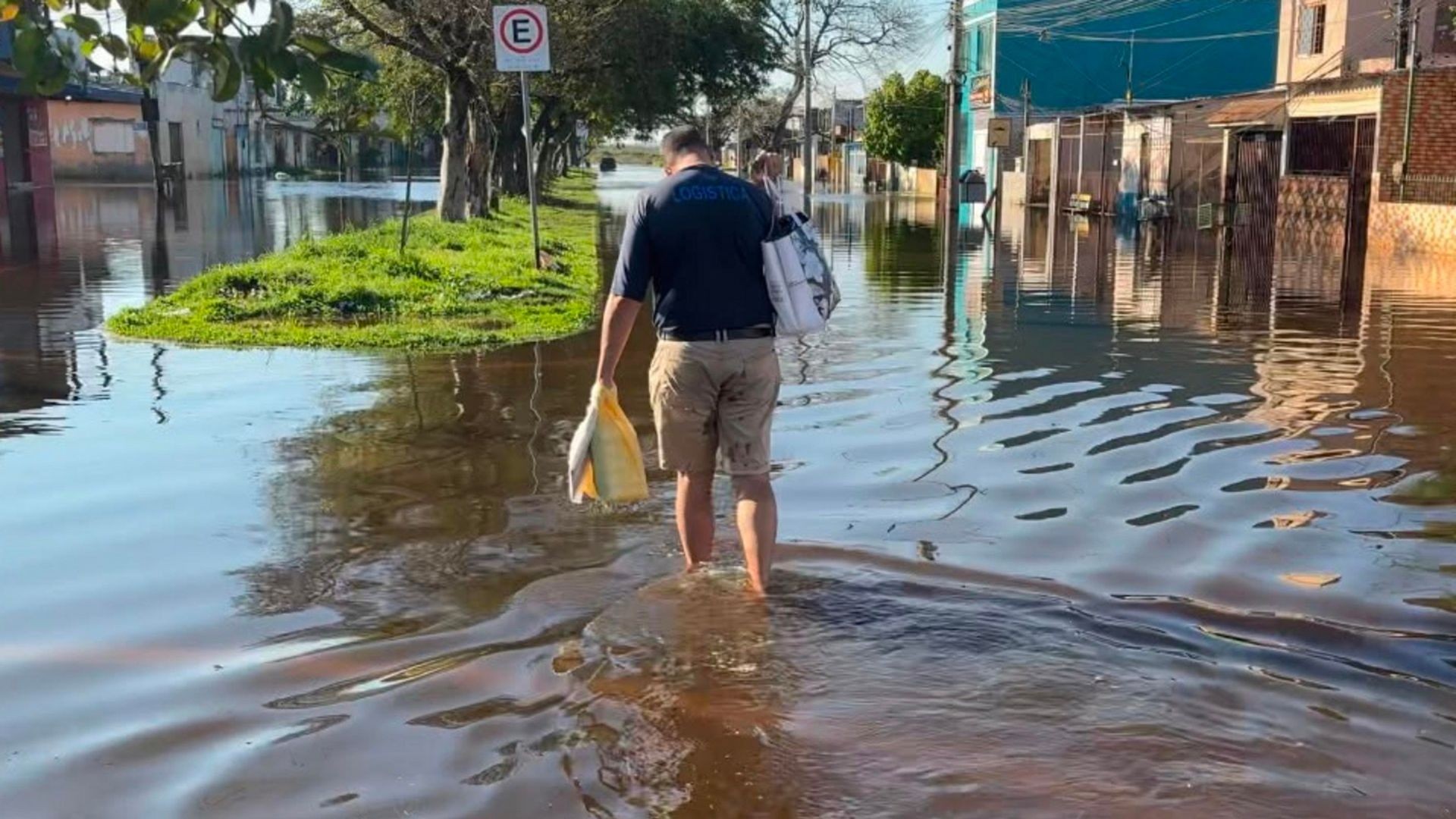
Rio Grande do Sul, Brazil, continues to grapple with the aftermath of recent heavy rainfall, with more than one thousand people still displaced from their homes. As of Monday, September 27th, 148 municipalities have reported damage, and the state's Civil Defense reported 783 people are currently displaced, meaning they are staying with friends or family. An additional 367 individuals are homeless and being sheltered in 13 cities, primarily in the Taquari Valley region. Eldorado do Sul is the municipality most affected by displacement, accounting for 320 of the displaced individuals. Authorities are particularly concerned about the rising water levels in four rivers that have exceeded flood stages, inundating lower-lying areas of cities. The Jacuí, Gravataí, and Sinos river basins are experiencing flooding. The forecast indicates a return of heavy rain starting Monday, October 3rd, with the Civil Defense issuing a severe storm warning. Some areas, particularly in western Rio Grande do Sul near the Argentinian border, could see up to 70 millimeters of rain accompanied by strong winds. The instability is attributed to an atmospheric trough drawing in moisture, leading to rapidly changing weather patterns across the state. Isolated thunderstorms with heavy rain, lightning, and potential hail are expected in western and central regions, while moderate to heavy rain with lightning is forecast for the Porto Alegre metropolitan area and the northern coast. Temperatures are expected to range between 13°C and 27°C.
The persistent flooding in Rio Grande do Sul highlights the vulnerability of urban infrastructure to extreme weather events, exacerbated by changing climate patterns. The displacement of over a thousand residents underscores the immediate need for robust disaster response and long-term resilience planning. Future development strategies must integrate advanced hydrological modeling and sustainable land-use practices to mitigate the impact of atmospheric troughs and increased moisture transport. This situation presents an opportunity to reassess regional infrastructure investments, prioritizing climate adaptation measures to safeguard communities against recurring natural disasters and ensure equitable access to safe housing and essential services in the face of escalating environmental challenges.
AI-generated to prompt reflection — not editorial opinion, not advice, not a statement of fact. How this works.
