Over 1,000 Experts Call for a "Brake" on Artificial Intelligence Development
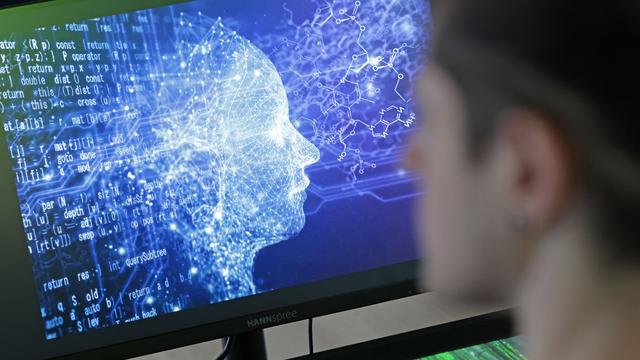
More than 1,000 prominent figures in the field of artificial intelligence have signed an open letter urging for a pause in the development of advanced AI systems. The signatories, including leading researchers and industry professionals, express deep concerns about the potential risks associated with rapidly advancing AI technology. They specifically highlight the possibility of AI systems surpassing human intelligence and the unpredictable consequences that could follow. The letter calls for the establishment of a temporary moratorium on the training of AI systems more powerful than GPT-4, a widely recognized benchmark in current AI capabilities. This proposed pause is intended to allow time for the development of robust safety protocols and ethical guidelines. The experts emphasize that this is not a call to halt AI research entirely, but rather a plea for a structured and responsible approach to its advancement. They believe that without adequate safeguards, the unchecked progress of AI could pose significant societal risks, ranging from widespread misinformation to existential threats. The signatories advocate for international cooperation to address these challenges and ensure that AI development benefits humanity as a whole. The call for a "brake" reflects a growing sentiment within the AI community regarding the need for caution and foresight.
The call for a temporary halt in advanced AI development by over 1,000 experts highlights a significant tension between rapid technological innovation and societal preparedness. This movement underscores the inherent uncertainty in predicting the trajectory and impact of increasingly powerful AI systems. It suggests a growing recognition within the AI community that current governance and safety frameworks may not be sufficient to manage the potential risks. The proposed moratorium, while framed as a precautionary measure, raises questions about the feasibility of global consensus on such a pause and the potential for competitive pressures to override safety concerns. This situation prompts consideration of how to foster responsible innovation, balancing the pursuit of AI's benefits against the imperative to mitigate its potential harms, particularly in the context of future AI capabilities that could reshape economic and social structures.
AI-generated to prompt reflection — not editorial opinion, not advice, not a statement of fact. How this works.