Over 1,000 human bones and teeth found in German garden during renovation
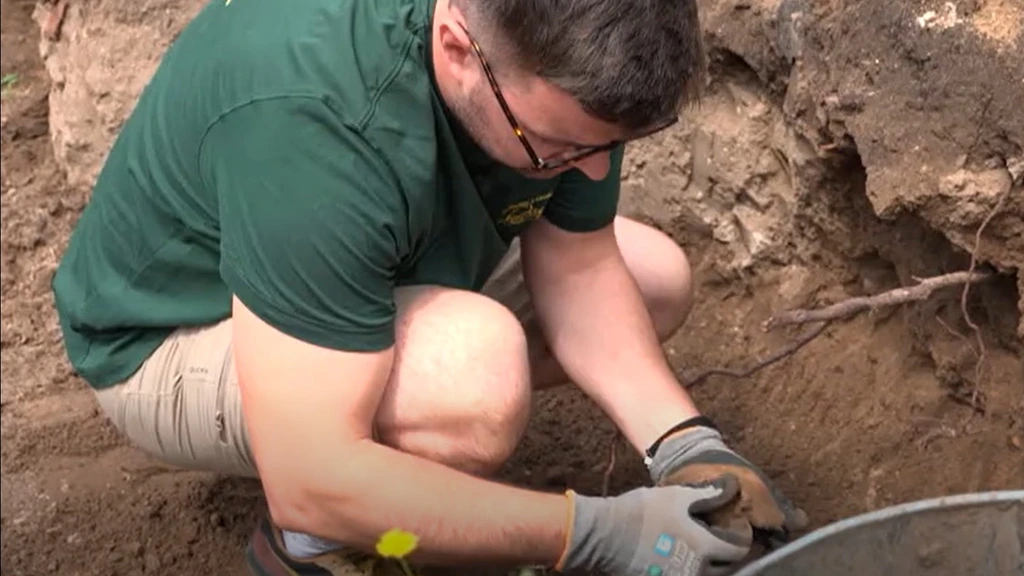
A family in Braunschweig, Germany, discovered over a thousand human bones and teeth while renovating their garden. Felix Chall, who purchased the house with his wife two years ago in the Dibbesdorf district, found the first bone while removing old paving for new flowerbeds. The discovery has continued daily, with the family and their three daughters unearthing more than a thousand remains, sometimes including larger skeletal fragments. Researchers have determined the remains belong to both children and adults and are estimated to be between 50 and 100 years old. Following the initial find, a pathologist confirmed the bones were human. Subsequent expert examination revealed no evidence of violent crime, leading the German Public Prosecutor's Office to classify the case as non-criminal. The identities of the deceased remain unknown, and it is unlikely they will be identified as no personal belongings have been found. The investigation is expected to conclude soon. A historian noted the house was built in the 1960s and the land was previously agricultural, making such finds unusual but not impossible, though typically closer to churches or former cemeteries, neither of which are nearby. A local resident recalled construction work in the 1960s where soil from an old cemetery might have been used to fill plots, potentially explaining the presence of remains. However, the resident who found the bones questions this, citing that some bones were found arranged in the ground, which seems inconsistent with disturbed soil. Despite unanswered questions, the homeowner hopes the remains will eventually be given a dignified burial.
This discovery prompts consideration of historical land use practices and their long-term implications. The presence of numerous human remains, dating back a century, highlights how past activities, such as potential cemetery repurposing or agricultural burial, can surface unexpectedly. The legal and investigative response, focusing on the absence of criminal evidence, reflects a common approach to such historical finds. However, the homeowner's observation about the arrangement of bones suggests a need for thorough archaeological assessment to fully understand the context, rather than solely relying on historical accounts or the absence of immediate criminal indicators. Future urban development and renovation projects may increasingly encounter such situations, necessitating clear protocols for respectful and scientifically informed handling of historical human remains, balancing legal closure with historical and ethical considerations.
AI-generated to prompt reflection — not editorial opinion, not advice, not a statement of fact. How this works.