Over 1,000 Rescued from Lakes Region Beaches in First Half of 2026
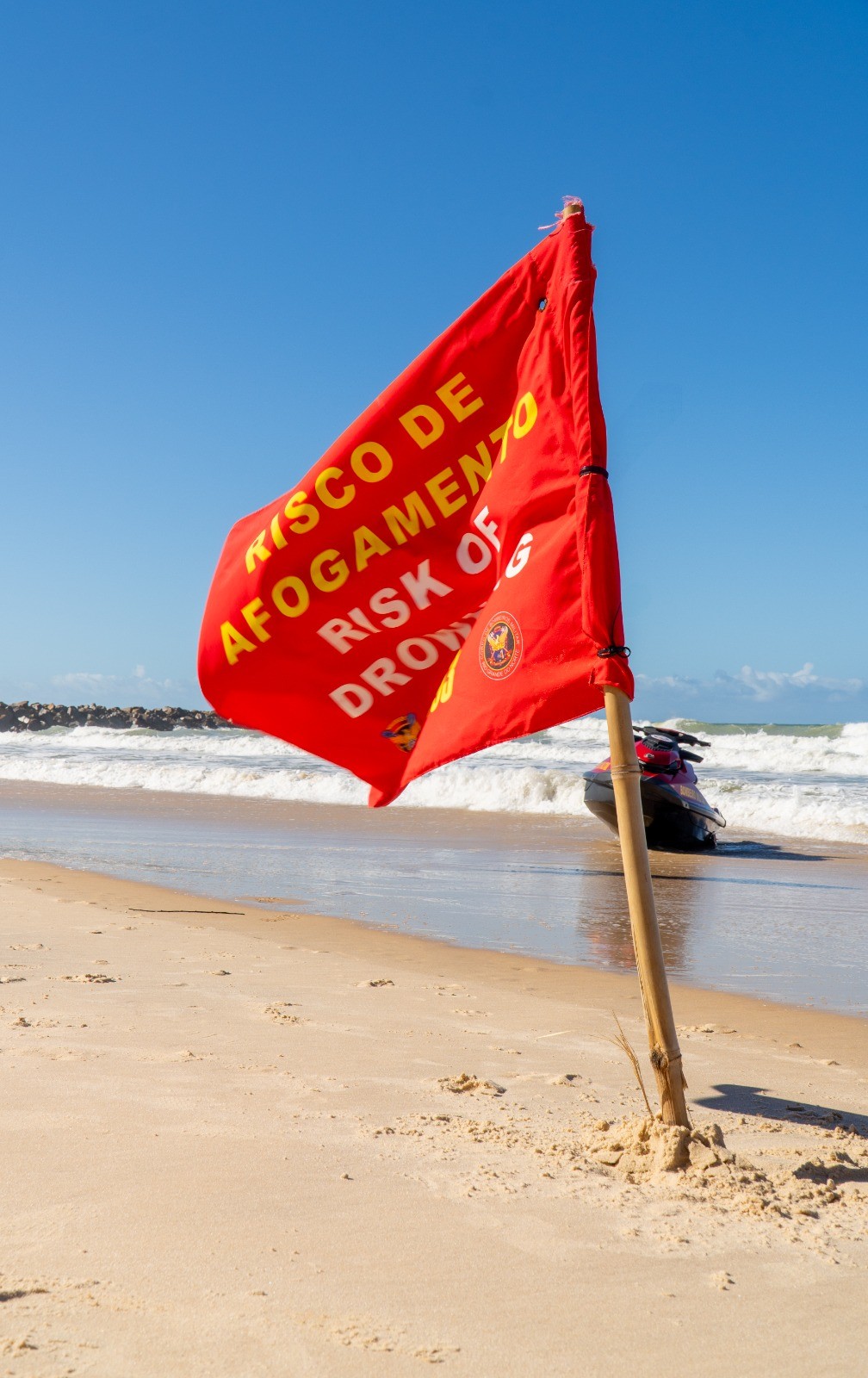
The Fire Department reported 1,092 rescues on the beaches of the Lakes Region during the first half of 2026, from January 1st to June 25th. This period also saw 133,154 preventative actions and 244 instances of lost children being located by the 18th Military Firefighter Group (GBM) in Cabo Frio and its detachments in Saquarema and Rio das Ostras. These figures underscore the critical importance of drowning prevention efforts. The data aligns with the Brazilian Society for Aquatic Rescue (SOBRASA)'s campaign for World Drowning Prevention Day on July 25th, an event recognized by the United Nations (UN). SOBRASA aims to raise public awareness about the dangers present in various aquatic environments, including beaches, rivers, lakes, reservoirs, and swimming pools. Annually, approximately 5,742 individuals drown in Brazil, equating to one death every 90 minutes, making drowning the second leading cause of death for children aged 1-4, with four child drownings occurring daily nationwide. Statistics reveal that 52% of child fatalities up to age 9 happen within homes, while 66% of all drowning deaths occur in rivers, lakes, and reservoirs. Men are disproportionately affected, facing a six-fold higher risk of death than women, and 41% of drowning fatalities occur before the age of 29. SOBRASA is organizing nationwide events, including the "Go Blue – Dress in Blue" initiative, public monument illuminations, educational activities, and aquatic emergency courses. A "Giving Back to the Blue Planet" sports challenge and a simultaneous "Aquatic Emergencies Workshop" across multiple Brazilian cities are also planned. The workshop targets open-water swimmers, surfers, stand-up paddleboarders, kitesurfers, and canoeists, focusing on accident prevention, risk assessment, and safe emergency procedures. SOBRASA Secretary-General David Szpilman emphasized that most drownings are preventable due to a lack of information, inadequate supervision, and disregard for aquatic risks, urging the public to translate awareness into life-saving actions.
The reported increase in beach rescues highlights a persistent public safety challenge in Brazil's aquatic environments. While preventative measures are being implemented, the sheer volume of incidents suggests a gap between awareness campaigns and actual behavioral change. The data points to systemic issues, including insufficient supervision, particularly concerning children, and a societal underestimation of water risks, especially among young men. Future strategies may need to integrate more targeted educational programs and potentially stricter enforcement of safety regulations in high-risk areas. The global recognition of World Drowning Prevention Day by the UN indicates a shared international concern, suggesting that technological advancements in early warning systems and public education could offer scalable solutions. Examining the economic and social factors contributing to these preventable tragedies, such as access to safe recreational spaces and consistent lifeguard presence, will be crucial for long-term mitigation.
AI-generated to prompt reflection — not editorial opinion, not advice, not a statement of fact. How this works.