Over 1.3 Tonnes of Cocaine Found in Corn Shipment Incinerated in Pará
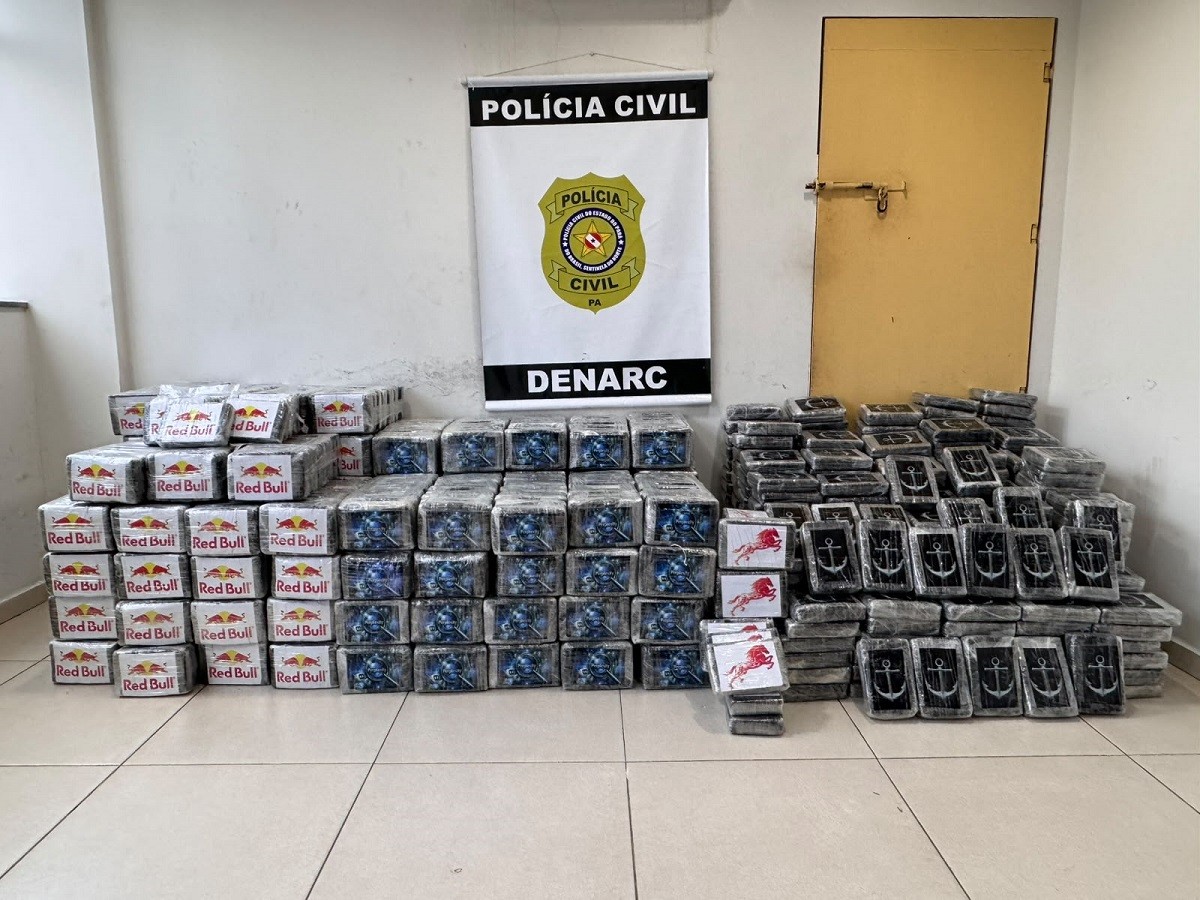
Authorities in Pará, Brazil, have incinerated more than 1.3 tonnes of cocaine that was discovered concealed within a corn shipment. The drugs were found last weekend in the northeastern region of Pará, near Belém. The incineration, which took place on Friday, May 17th, was conducted by the Civil Police of Pará, specifically the State Narcotics Division (Denarc). Representatives from the State Public Prosecutor's Office, the Health Surveillance agency, and the Functional Crimes Division (Decrif) were present to oversee the destruction of the narcotics. The cocaine was packaged in rectangular blocks, totaling 1.3 tonnes, and was destroyed in a secure, monitored location. The driver of the truck transporting the illegal cargo abandoned the vehicle and fled into the nearby forest upon noticing the police. Law enforcement officials had been monitoring intelligence regarding a large shipment of narcotics being transported within grain loads through the region. The operation, coordinated by Denarc, took place in Vila Palmares, a district approximately 60 kilometers from the center of Moju. Police reported that the driver abruptly stopped the truck and fled into dense vegetation when he saw a marked police vehicle. During a thorough inspection of the closed-body trailer, officers found hundreds of corn sacks. A strong chemical odor emanating from the front of the trailer drew the attention of the team. After removing some of the corn sacks, they discovered the rectangular blocks of a white, petrified substance consistent with cocaine.
This operation highlights the ongoing challenge of interdicting large-scale drug trafficking, particularly the sophisticated methods used to conceal contraband within legitimate cargo. The seizure and subsequent incineration demonstrate law enforcement's capacity to disrupt these networks. However, the incident also underscores the persistent demand that fuels such extensive drug movements and the need for comprehensive strategies addressing both supply and demand reduction. The evasion of the driver suggests the presence of organized networks capable of rapid response and contingency planning. Future efforts may benefit from enhanced intelligence sharing and technological solutions to detect hidden compartments within bulk shipments, alongside continued focus on prosecuting the financial and logistical enablers of these operations.
AI-generated to prompt reflection — not editorial opinion, not advice, not a statement of fact. How this works.