Over 10 km of electrical cables stolen in Teresina; repairs may take up to five days
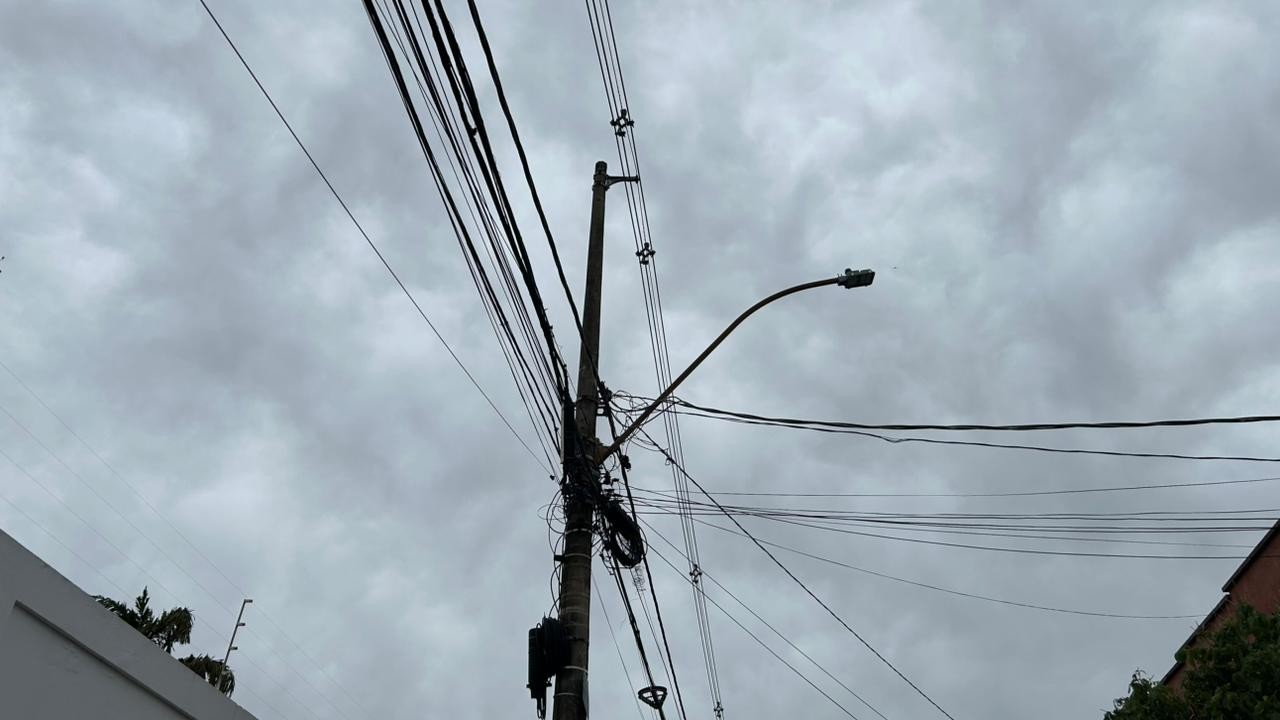
Teresina, Brazil has experienced significant theft of electrical cables, with over 10 kilometers stolen between January and June of this year. The Entidade Autárquica Teresinense de Desenvolvimento Urbano (Eturb) reported that these crimes primarily impact the city's public lighting system, causing considerable disruption to residents. In addition to the cables, more than 800 streetlights were also stolen during the same period.
Authorities believe criminals extract metals from the stolen cables to sell them illegally. Police are investigating these thefts and related offenses, including property break-ins. Individuals purchasing stolen materials, especially those from public property, are also under scrutiny and face potential penalties. According to Delegate Tales Gomes, the stolen copper is often burned to extract the metal, which is then sold to scrap yards, sometimes to fund drug purchases.
Augusto Monte, Coordinator of Public Lighting at Eturb, stated that restoring affected areas could take two to five days due to the need for assessment and repair. To combat these ongoing thefts, the Teresina City Hall has enhanced security for electrical junction boxes and is transitioning from copper to aluminum cables, as aluminum has a lower resale value. Monte noted that these measures, while hindering maintenance, aim to deter third-party access.
The widespread theft of public electrical infrastructure in Teresina highlights a persistent challenge of resource scarcity and illicit markets for raw materials. The practice of burning cables to extract copper, as described, suggests a low-value, high-volume criminal activity often linked to immediate financial needs, potentially driven by drug dependency. The city's mitigation strategy, shifting to aluminum, reflects a pragmatic approach to reducing the economic incentive for theft. However, this also introduces potential long-term trade-offs in terms of material durability and maintenance costs. The effectiveness of these measures will depend on the interplay between the reduced scrap value of aluminum and the persistent demand for quick cash, as well as the enforcement capacity of law enforcement against both thieves and illicit scrap dealers.
AI-generated to prompt reflection — not editorial opinion, not advice, not a statement of fact. How this works.