Over 10 Million in Bangladesh Affected by Hepatitis; Experts Discuss Elimination Strategies
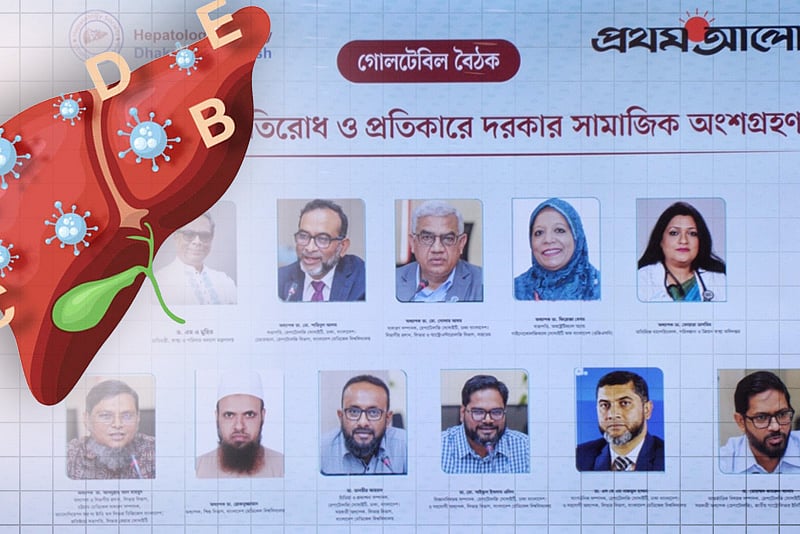
On the occasion of World Hepatitis Day, experts convened for a roundtable discussion, highlighting that the elimination of hepatitis requires more than just medical treatment. They emphasized the critical need for widespread public awareness and active social participation to combat the disease effectively. The discussion underscored that a multi-faceted approach is essential for eradicating hepatitis from the country. It was noted that over 10 million people in Bangladesh are currently affected by this condition. The experts stressed that without a concerted effort involving the entire community, achieving the goal of hepatitis elimination would be exceedingly difficult. The roundtable aimed to identify actionable steps and strategies to raise awareness and encourage greater societal involvement in prevention and treatment efforts. The urgency of the situation was palpable, as the scale of the problem necessitates immediate and sustained action. The experts' consensus pointed towards a future where public health initiatives are deeply integrated with community engagement.
The prevalence of hepatitis affecting over 10 million individuals in Bangladesh signals a significant public health challenge. While medical interventions are crucial, the expert consensus points to the limitations of a purely clinical approach. The emphasis on public awareness and social participation suggests that behavioral change and community-level engagement are key determinants of success in disease eradication. Future strategies should consider how to leverage social structures and communication channels to foster greater understanding and proactive health-seeking behaviors. Addressing this challenge effectively will likely require sustained investment in public health education and the empowerment of community health workers, alongside advancements in medical treatment and accessibility. The long-term goal of elimination hinges on building resilient public health systems that integrate both medical and social determinants of health.
AI-generated to prompt reflection — not editorial opinion, not advice, not a statement of fact. How this works.