Over 100 Democrats Oppose US Military Aid to Israel in Congress
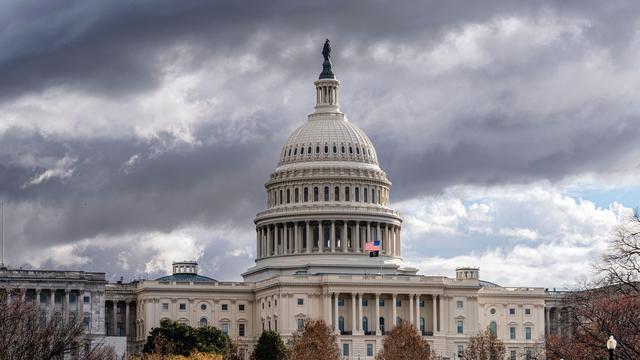
More than 100 members of the U.S. Congress have expressed opposition to continued U.S. military aid for Israel. This stance represents a significant bloc within the Democratic party, signaling a growing internal debate on the long-standing U.S. policy towards Israel. The specific reasons for this opposition are not detailed in the provided headline and body, but it indicates a divergence from the traditional bipartisan support for such aid. This development could influence future legislative decisions and diplomatic approaches concerning the U.S.-Israel relationship. The number of lawmakers involved suggests a notable shift in sentiment among a segment of the Democratic caucus. Further details regarding the specific proposals or concerns driving this opposition are not available from the source material. The situation highlights the complex dynamics within American foreign policy, particularly concerning the Middle East. This opposition may lead to increased scrutiny of military aid packages and their conditions in upcoming congressional sessions. The political implications of this stance are likely to be debated extensively within Washington D.C. and among international observers.
The growing opposition among over 100 Democratic lawmakers to U.S. military aid for Israel suggests a potential recalibration of U.S. foreign policy priorities. This shift may be driven by evolving geopolitical considerations, domestic political pressures, or a re-evaluation of the efficacy and ethical implications of sustained military support. Such internal dissent challenges established bipartisan consensus and could lead to greater congressional oversight of military aid packages, potentially influencing future allocations and diplomatic engagements. The long-term impact will depend on the ability of this bloc to translate their concerns into concrete policy changes and how these developments interact with broader regional dynamics and international law.
AI-generated to prompt reflection — not editorial opinion, not advice, not a statement of fact. How this works.