Over 100 Suspects to Be Summoned in WhatsApp Cloning and SIM Swap Fraud Operation
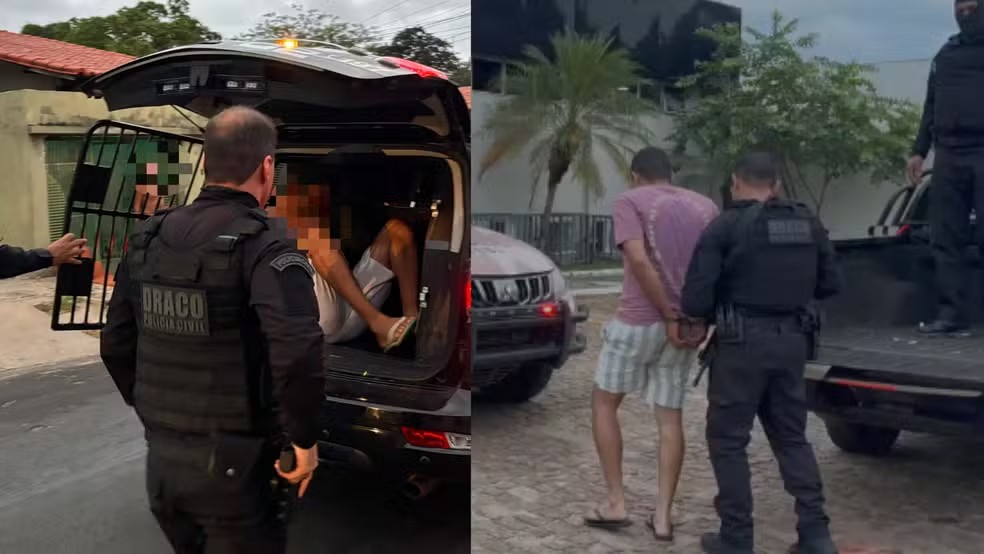
Authorities in Teresina, Brazil, are set to summon over 100 individuals suspected of providing personal data, biometrics, and other registration information to a criminal group involved in electronic fraud. The operation, named "Operação Chip Falso" (Fake Chip Operation), targets a network accused of unauthorized telephone line transfers to facilitate bank account takeovers, WhatsApp cloning, and scams across multiple states. The Department of Repression of Cybercrimes (DRCC) announced that approximately 110 people have been identified for allegedly voluntarily supplying data to the suspects. While these individuals are not currently classified as part of the criminal organization, they are required to provide statements. The investigation revealed that the group operated a central hub, dubbed the "Fraud House," in Teresina's Monte Castelo neighborhood. Here, they allegedly approached individuals to obtain documents and biometric data used to bypass telecom security systems. This information enabled them to execute SIM swap fraud, illegally transferring victims' phone numbers to chips controlled by the criminals. With control of the phone lines, the perpetrators could intercept SMS authentication codes, gaining access to victims' bank accounts, WhatsApp profiles, and enabling fraudulent transactions and impersonation scams, including soliciting money from relatives and posing as legal representatives. Ten arrests have been made in connection with the operation. A former telecom operator employee, Rosana Rodrigues da Silva, is considered a fugitive and a key figure in orchestrating the scheme.
This operation highlights the evolving sophistication of cybercrime, particularly the exploitation of identity verification processes like SIM swapping. The involvement of individuals allegedly providing personal data, even voluntarily, points to a complex ecosystem where data brokers or unwitting participants can inadvertently facilitate criminal activities. The investigation's focus on both the technical execution (SIM swap) and the data acquisition methods (obtaining personal information) underscores the multi-faceted nature of these fraud schemes. Future challenges will involve strengthening identity verification protocols across telecommunications and financial sectors, while also addressing the underlying demand for personal data in illicit markets. The systemic risk lies in the potential for compromised personal data to undermine digital trust and security across various platforms.
AI-generated to prompt reflection — not editorial opinion, not advice, not a statement of fact. How this works.