Over 160,000 Foreigners Flee South Africa Amid Xenophobic Violence
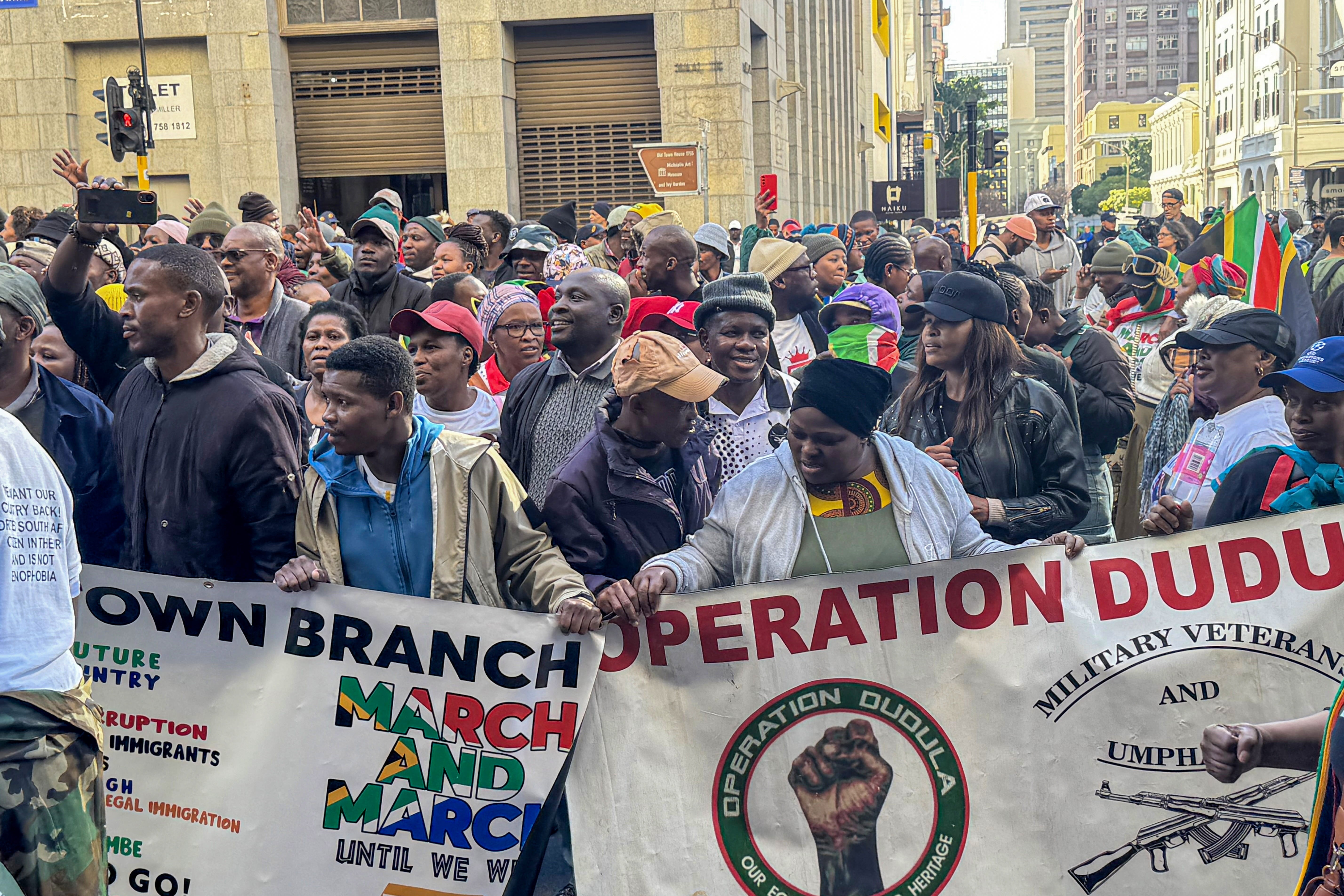
Since late May, more than 160,000 foreign nationals have departed South Africa following a surge in protests and violent incidents targeting irregular immigrants. This exodus was reportedly triggered in late May by the deaths of two Mozambicans in Mossel Bay, which spurred an unprecedented wave of departures. The situation was further exacerbated by an ultimatum issued on June 30 by anti-immigrant groups demanding the expulsion of undocumented foreigners.
Official figures indicate that approximately 108,360 Zimbabweans have returned home since June, with over 33,800 repatriated using government resources. Malawi reported repatriating more than 46,890 of its citizens from South Africa via 699 buses. While Mozambique has not released official numbers, the South African government stated it assisted around 2,000 Mozambicans to the border. Four foreign nationals, including one Ethiopian, one Malawian, and two Mozambicans, have died in xenophobic violence, according to South African authorities. Anti-immigrant organizations like Operation Dudula have been active in preventing foreigners from accessing essential services such as healthcare and schools, accusing them of contributing to crime and taking jobs in a country with a 32% unemployment rate.
The events in South Africa highlight the complex interplay of economic hardship, national identity, and migration. High unemployment rates and crime statistics, while real challenges, are being leveraged by certain groups to scapegoat foreign nationals, diverting attention from systemic governance and economic policy issues. The surge in xenophobic violence and subsequent departures suggest a breakdown in social cohesion and the state's capacity to protect all residents. Looking ahead, South Africa's ability to foster inclusive economic growth and strengthen its social fabric will be critical in mitigating such tensions and ensuring stability in an increasingly interconnected world. Addressing the root causes of economic distress and promoting a narrative of shared prosperity rather than division will be key to preventing future cycles of xenophobia.
AI-generated to prompt reflection — not editorial opinion, not advice, not a statement of fact. How this works.