Over 2,000 Identity Cards Unclaimed in Acre's Juruá Valley Region
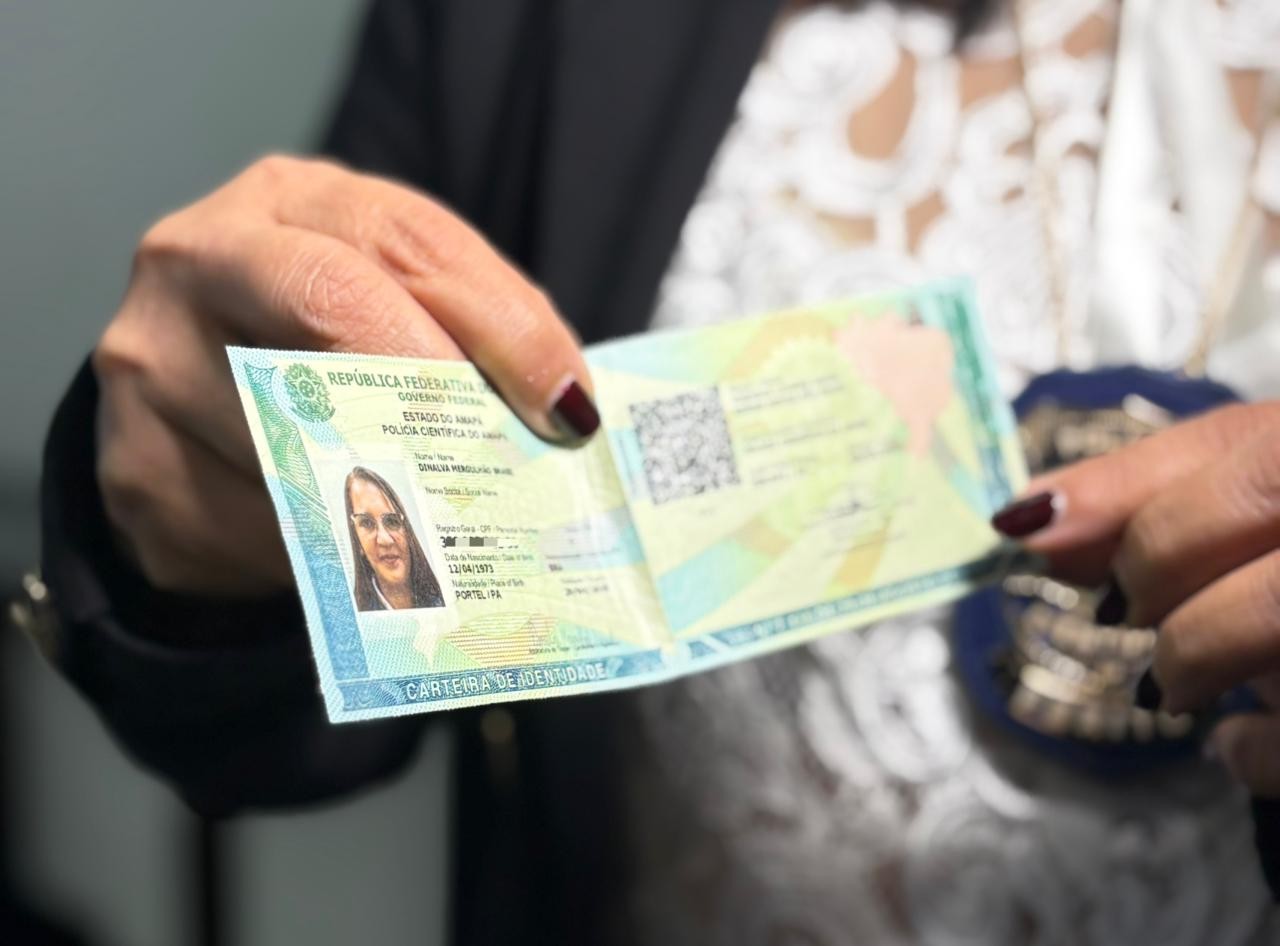
More than two thousand identity cards remain uncollected at the Identification Institute units in the Juruá Valley, located in the interior of Acre, Brazil. These issued documents are being stored because their owners have not yet appeared to claim them. According to Jonas Oliveira, the coordinator of the Juruá Identification Institute, this is a recurring issue that has persisted for years. He explained that while his teams efficiently process and issue the documents, many individuals forget to return for their retrieval, leaving the issued cards unclaimed. Oliveira described the situation as a historical problem in the region, where the institute provides excellent service when people visit, but the process is hindered by the lack of document collection. The identity card is a crucial Brazilian document, essential for accessing numerous public and private services, and is required for travel, banking, and daily procedures. In Cruzeiro do Sul alone, at the Organization of Service Centers (OCA), over 1,500 identity cards are awaiting collection. Additional unclaimed documents are held at identification institute posts in Cruzeiro do Sul, Mâncio Lima, Marechal Thaumaturgo, Porto Walter, and Rodrigues Alves. The Identification Institute urges individuals who applied for an identity card to visit their respective service unit to check for availability and collect their documents. The old identity card, featuring a thumbprint, will lose its validity in 2032, while the new National Identity Card (CIN) adheres to international standards, includes a MRZ code similar to passports, and facilitates easier entry into Mercosur countries. As of January this year, Acre had issued over 300,000 CINs since the new document's implementation, covering approximately 33% of the state's population. The CIN has been issued in Acre since August 2022, with services available across the entire state, including remote and border areas. To retrieve a completed identity card, individuals must personally visit the service point where they applied, presenting their service protocol or a CPF document. Collection is free and exclusively for the cardholder, with specific operating hours at the OCA in Cruzeiro do Sul.
The significant number of uncollected identity cards in Acre's Juruá Valley highlights a systemic inefficiency in public service delivery, potentially stemming from logistical challenges, citizen awareness gaps, or a disconnect between service provision and user needs. This situation, described as a historical problem, suggests a need for proactive outreach strategies beyond passive availability. Future initiatives could explore mobile collection points, digital notification systems, or partnerships with local community leaders to improve retrieval rates. Furthermore, the ongoing transition to the new National Identity Card (CIN) underscores the evolving landscape of digital identity and its implications for accessibility and security. Ensuring all citizens can access and utilize these essential documents is critical for their full participation in civic and economic life, particularly in regions with limited infrastructure.
AI-generated to prompt reflection — not editorial opinion, not advice, not a statement of fact. How this works.