Over 2,000 penguins found dead in Florianópolis beaches in 2026; 293 in one day
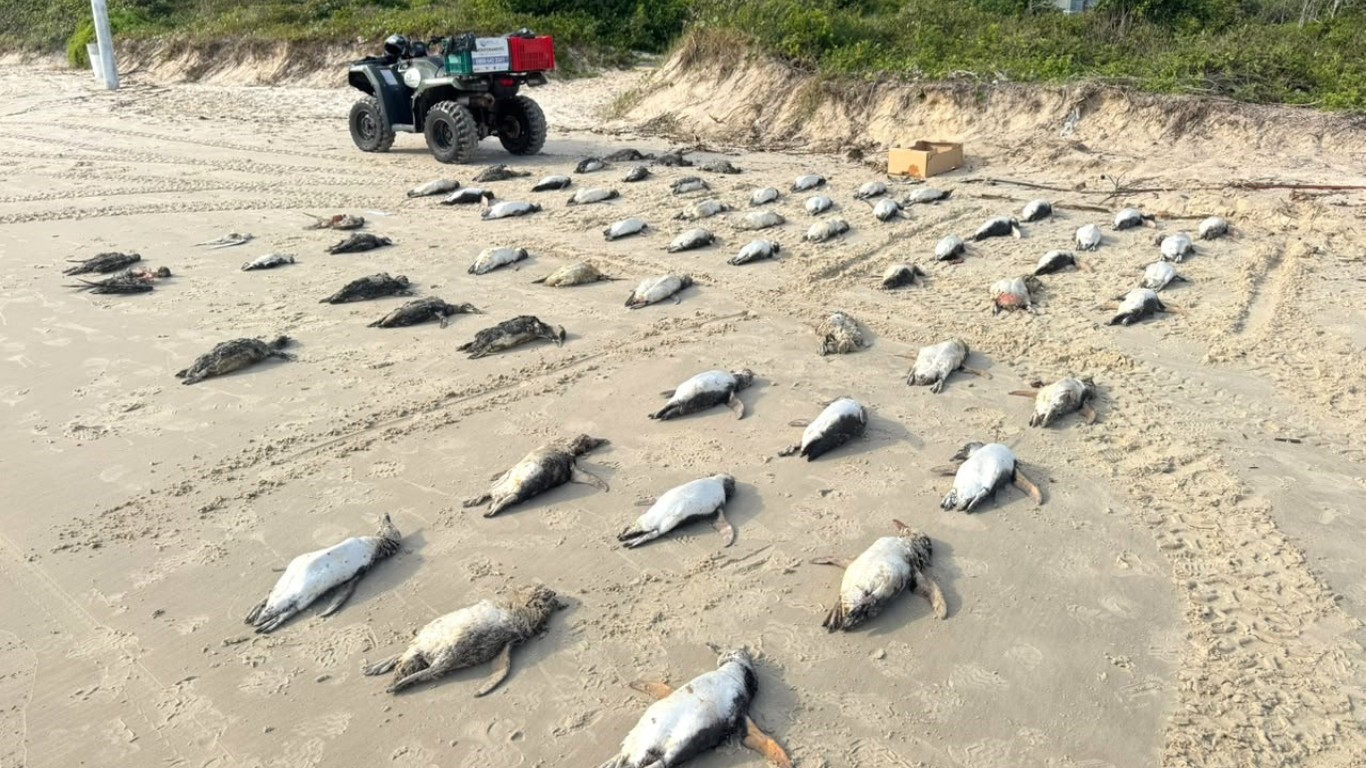
Florianópolis beaches have seen over 2,000 dead penguins discovered between March and July 10, 2026, with a significant spike of 293 deaths recorded on July 9th alone. The R3 Animal Association, managing the Santos Basin Beach Monitoring Project (PMP-BS), reported that out of 2,210 birds found since March, only 148 were alive. Despite the high numbers, experts state these figures are within the normal range observed in previous years, with the 2025 season recording over 2,700 dead penguins. Praia de Moçambique had the highest concentration with 106 deaths, followed by Praia dos Ingleses with 69. The deaths are linked to the annual migration of Magellanic penguins from their breeding grounds in Patagonia and the Falkland Islands towards Brazil's coast, typically occurring between May and June. These young, inexperienced birds often succumb to exhaustion and disorientation during their long journey, with many found debilitated by hypothermia and emaciation. Human interference, including ocean pollution and accidental entanglement in fishing nets, further exacerbates their vulnerability. The R3 Animal Association emphasizes that monitoring is conducted daily, with deceased birds undergoing necropsy to determine causes of death, while live, weakened animals receive veterinary care for rehabilitation and release. They advise the public not to attempt to rescue or feed stranded penguins, but to immediately contact rescue services, and to keep domestic animals away.
The reported mortality figures for penguins in Florianópolis, while appearing high, are characterized by experts as within normal migratory patterns. This highlights a common ecological phenomenon where young, inexperienced animals face significant risks during their first long-distance migrations. The analysis points to natural exhaustion and disorientation as primary causes, compounded by anthropogenic factors like pollution and fishing gear. This situation underscores the systemic challenges faced by migratory species in adapting to both natural environmental pressures and human-induced changes in marine ecosystems. Future management strategies may need to consider enhanced monitoring, targeted conservation efforts for vulnerable age groups, and broader initiatives to mitigate human impacts on marine environments to support species' long-term survival.
AI-generated to prompt reflection — not editorial opinion, not advice, not a statement of fact. How this works.