Over 200,000 in Baixada Santista Eligible for Optional Voting in 2026 Elections
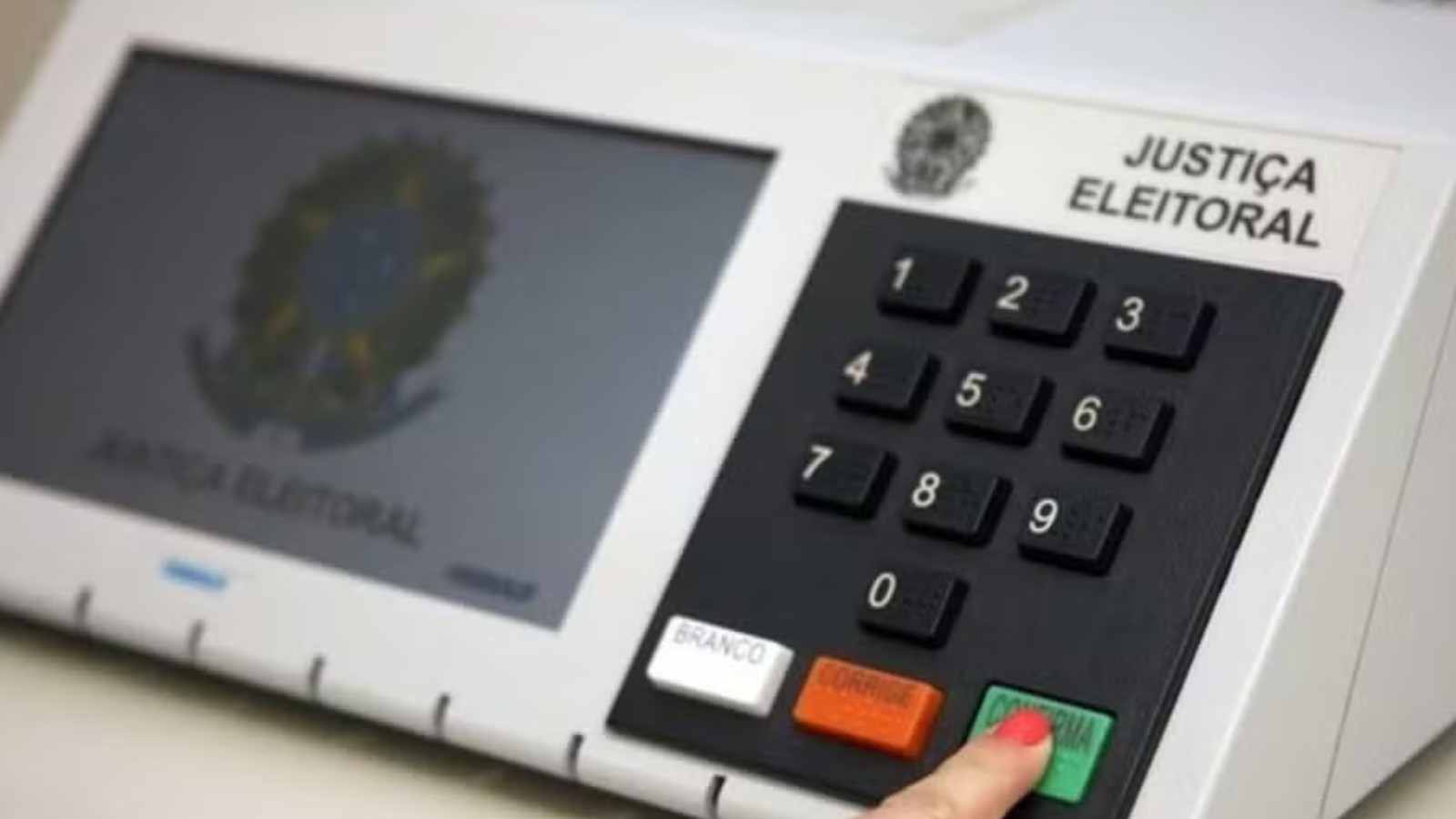
In the Baixada Santista region of Brazil, more than 200,000 voters are eligible for optional voting in the upcoming state and federal elections. This group represents approximately 14.7% of the total electorate across the nine cities in the area, totaling 212,636 individuals out of 1,446,189 eligible voters. The Superior Electoral Court (TSE) data indicates that Santos has the largest number of optional voters, with 64,657 residents, and also the highest overall registered voter count in the region. Other cities with significant numbers of optional voters include Praia Grande (39,864), São Vicente (35,138), and Guarujá (30,846). Brazil's electoral law mandates voting for citizens over 18, while it is optional for illiterates, those over 70, and individuals aged 16 and 17. Social scientist Alexandre Gossn suggests that engaging these optional voters requires emotional and affective mobilization, especially given a perceived disillusionment with democracy. He notes that younger voters are particularly influenced by social media, which allows for targeted messaging, a trend now amplified by artificial intelligence. Gossn believes that while the methods of persuasion may differ based on technology use, emotional connection remains a key factor in influencing both younger and older optional voters.
The significant number of optional voters in Baixada Santista highlights a critical challenge for political engagement in Brazil. While the legal framework allows for voluntary participation, the high proportion of these voters suggests a potential disconnect between citizens and the democratic process. The analysis points to voter disillusionment and the need for politicians to employ emotional and affective strategies, leveraging digital platforms and AI for targeted outreach. This dynamic raises questions about the future of political campaigning, particularly concerning the balance between personalized digital messaging and broader civic engagement. The increasing sophistication of AI in tailoring messages could further fragment the electorate into 'echo chambers,' potentially exacerbating existing societal divisions and requiring robust mechanisms to ensure informed and inclusive participation in the long term.
AI-generated to prompt reflection — not editorial opinion, not advice, not a statement of fact. How this works.