Over 200 Aftershocks Recorded Following Major July 17 Earthquake
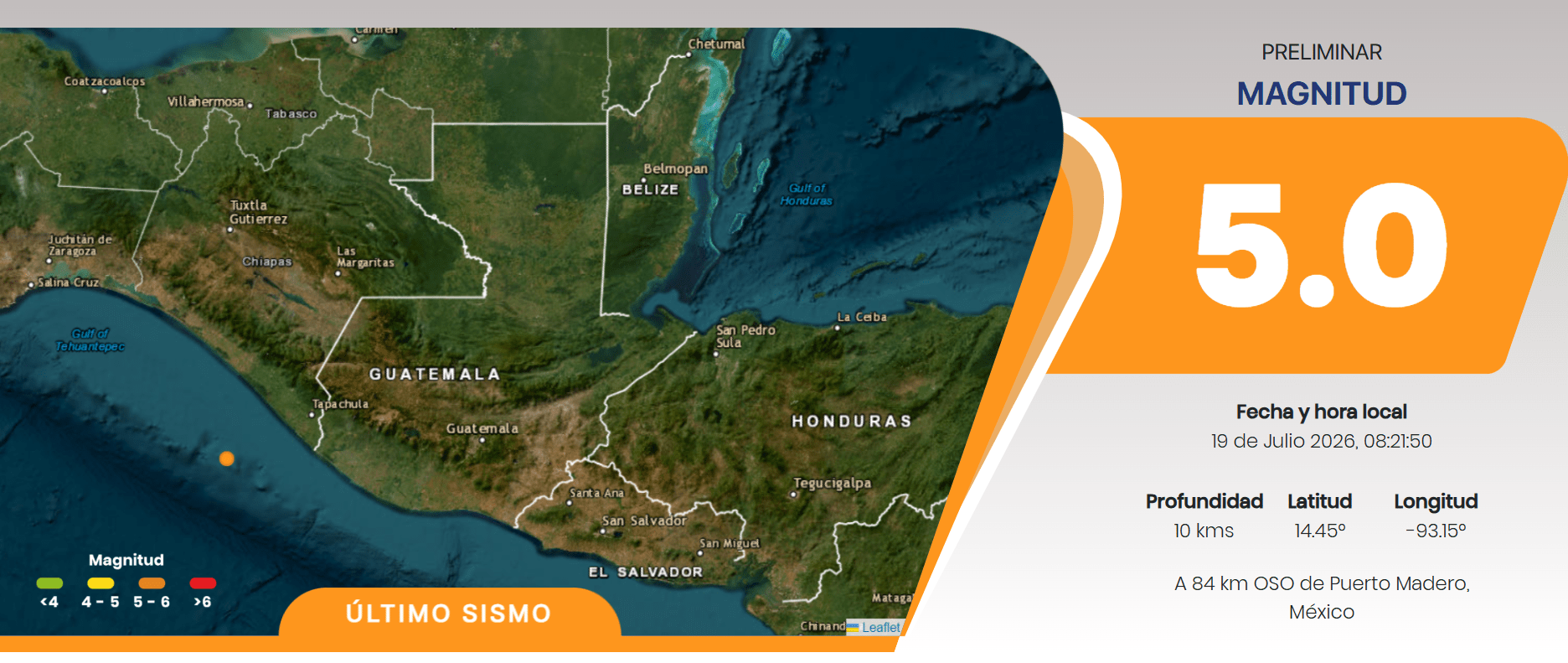
Afghanistan has been experiencing a significant number of aftershocks following a powerful magnitude 7.4 earthquake that struck on July 17. As of July 19, more than 200 seismic events have been recorded, indicating ongoing seismic activity in the region. One of the latest tremors occurred on Sunday, July 19, at 8:21 AM local time, registering a magnitude of 5.0. This series of aftershocks highlights the instability of the earth's crust in the affected area after the initial major quake. Residents are likely still dealing with the aftermath and potential ongoing risks associated with this seismic sequence. The frequency and magnitude of these subsequent tremors underscore the importance of preparedness and monitoring in earthquake-prone zones. Further seismic activity is anticipated as the region settles.
The persistent seismic activity following the July 17 earthquake underscores the inherent unpredictability and cascading effects of major geological events. While aftershocks are a natural part of seismic adjustment, their frequency and magnitude can pose ongoing risks to infrastructure and populations. This situation highlights the critical need for robust disaster preparedness strategies and early warning systems in seismically active regions. Future planning should consider the long-term implications of such events, including the potential for secondary impacts on communities and the environment, and how resilient infrastructure can mitigate future disruptions in an increasingly interconnected world.
AI-generated to prompt reflection — not editorial opinion, not advice, not a statement of fact. How this works.