Over 200 Dutch children lack guardians due to youth protection staff shortages
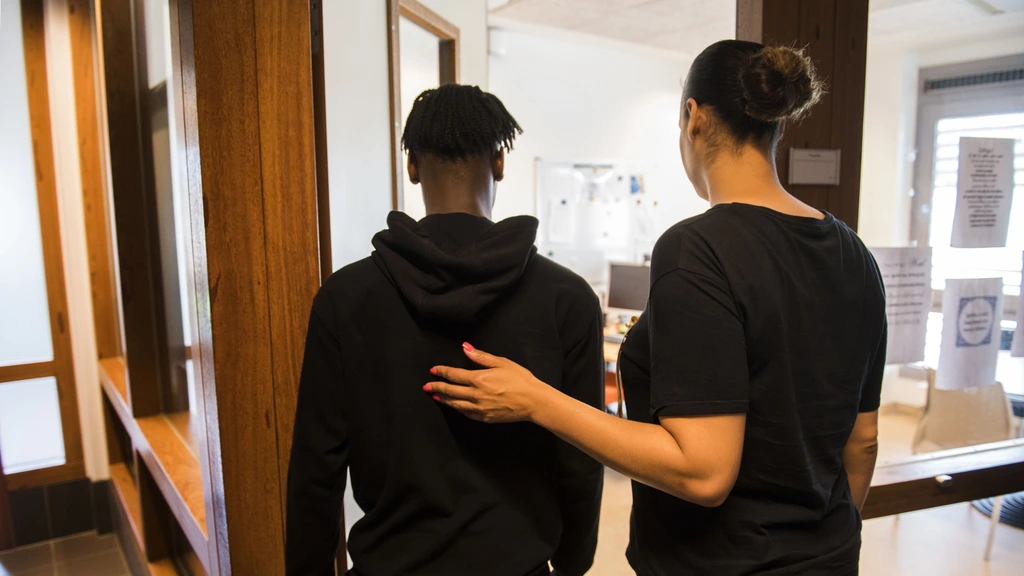
Approximately 200 children in the Netherlands who require a permanent guardian are currently without one, according to figures obtained by investigative journalism platform Investico and the newspaper Trouw. These are children removed from their parents' care by court order due to unsafe home environments and placed with foster families or in other care facilities. A permanent guardian is essential to oversee the child's safety and make crucial decisions. However, a significant shortage of staff within youth protection organizations means there are insufficient personnel to fulfill the role of guardian. Experts emphasize the critical nature of this role, with Mariëlle Bruning, a professor of youth law at Leiden University, stating that a child must always have someone monitoring their well-being. Joost Huijer, an associate professor at Utrecht University, adds that a guardian is legally required to sign off on significant matters such as medical treatments, school choices, and passport applications. Without a dedicated guardian, other youth protection staff with limited knowledge of the child's case and personal situation must step in. The case of a severely abused foster child in Vlaardingen two years ago, who had a succession of temporary guardians and whose case workers had not spoken to her directly for extended periods, highlights the severe consequences of such gaps in care. In the Netherlands, fourteen youth protection organizations are responsible for the guardianship of around 7,500 children. While court-ordered removals are typically temporary, permanent termination of parental authority necessitates a guardian. This guardian, usually an employee of a youth protection agency, is intended to maintain close, one-on-one contact with the child. Youth Protection North cited high staff turnover, absenteeism, and administrative instability as reasons for their inability to assign guardians, forcing them to place children on waiting lists.
The current situation highlights a critical systemic failure in the Dutch youth protection system, where administrative and staffing challenges directly impact the fundamental rights and safety of vulnerable children. The reliance on guardians for crucial decision-making and oversight underscores the need for robust, consistent care structures. The identified issues of staff shortages, high turnover, and absenteeism suggest underlying problems in workforce management, compensation, or the demanding nature of the work itself. Addressing these systemic vulnerabilities requires a forward-looking approach that prioritizes child welfare through sustainable staffing models, improved working conditions, and potentially innovative technological solutions for case management and communication, ensuring that children's developmental and legal needs are met without interruption, particularly within the next decade's evolving societal and technological landscape.
AI-generated to prompt reflection — not editorial opinion, not advice, not a statement of fact. How this works.