Over 24,000 Students Absent on First Day of HSC Exams in Bangladesh
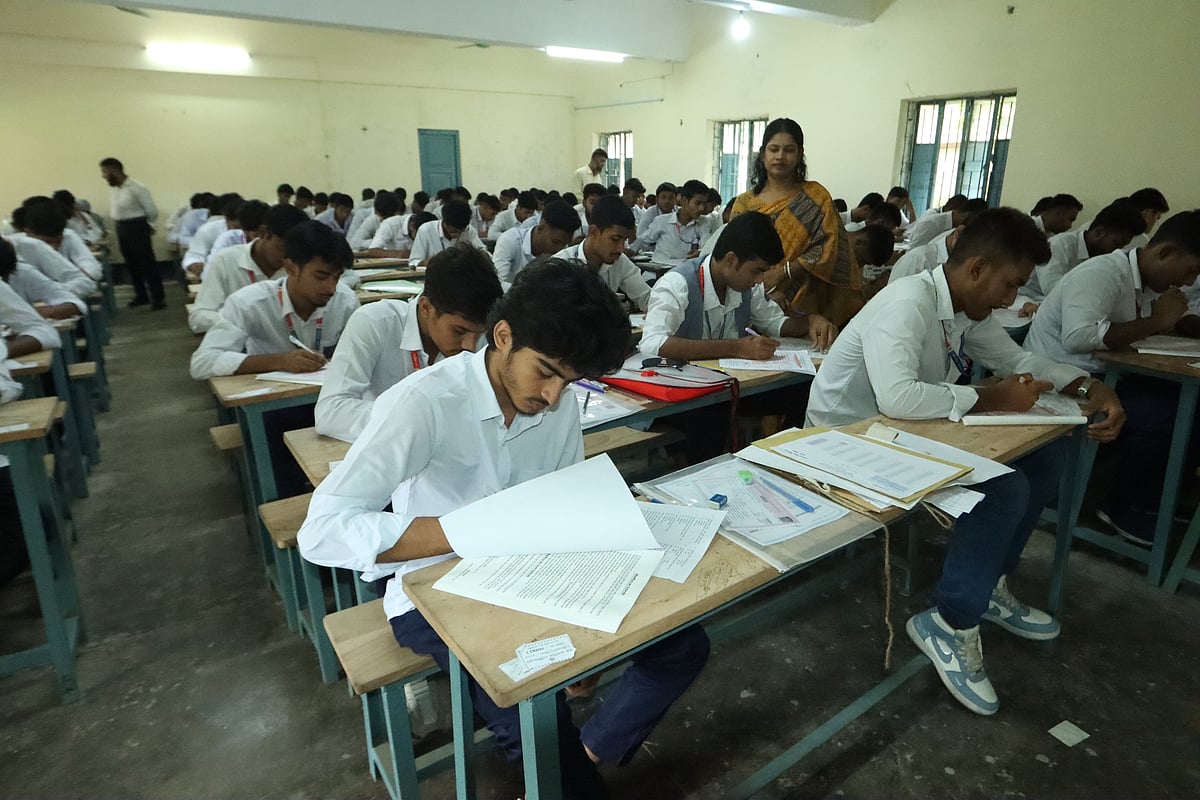
A significant number of students, totaling 24,784, were absent on the first day of Bangladesh's Higher Secondary Certificate (HSC) and equivalent examinations held on Thursday. This figure represents an increase compared to previous years, with 19,759 absent in the first day last year and 15,203 the year before. Furthermore, 36% of regular students did not even complete the form-filling process to participate in this year's exams. Approximately 1.5 million students registered for the HSC level two years ago after passing their SSC exams, but only about 950,000 filled out forms for the current HSC examinations, indicating that around 550,000 regular students are not participating. The examinations are being conducted across 2,697 centers nationwide, covering students from nine general education boards, the Madrasah Education Board, and the Technical Education Board. A total of 1,270,583 students were registered for the HSC and equivalent exams this year. On the first day, 17,233 students were absent from the mandatory Bengali (Compulsory) First Paper exam under the general education boards, with five students expelled. The Madrasah Board reported 4,478 absences for the Quran Majid subject, and the Technical Education Board had 3,073 absences for Bengali-Second Paper. Education Minister Dipu Moni acknowledged this high dropout rate as a "very bad indicator," noting that while a 10-15% dropout rate was typical due to reasons like marriage or family work, this year saw 44% in Madrasah education, 54% in technical education, and 33% in general education. She suggested that issues with classroom learning, examination integrity, parental support, and administrative fairness might be contributing factors, leading some students to forgo exams without adequate preparation. The minister emphasized the need for necessary measures, including a greater focus on teacher training.
The substantial number of student absences and non-participation in the HSC examinations, particularly the high dropout rates highlighted by the Education Minister, warrants a systemic review of educational engagement and support structures. This trend suggests potential disconnects between curriculum delivery, student preparedness, and the perceived value or accessibility of higher education pathways. The minister's observation regarding factors like classroom instruction, examination processes, and administrative fairness points to areas requiring diagnostic attention. Future policy should explore innovative pedagogical approaches, robust student counseling services, and potentially flexible educational models to address the diverse needs and circumstances of students, ensuring that educational opportunities remain inclusive and effective in the long term. Understanding the root causes of this disengagement is crucial for fostering a resilient and equitable education system.
AI-generated to prompt reflection — not editorial opinion, not advice, not a statement of fact. How this works.