Over 30 Officials Depart Kast Administration Within Four Months
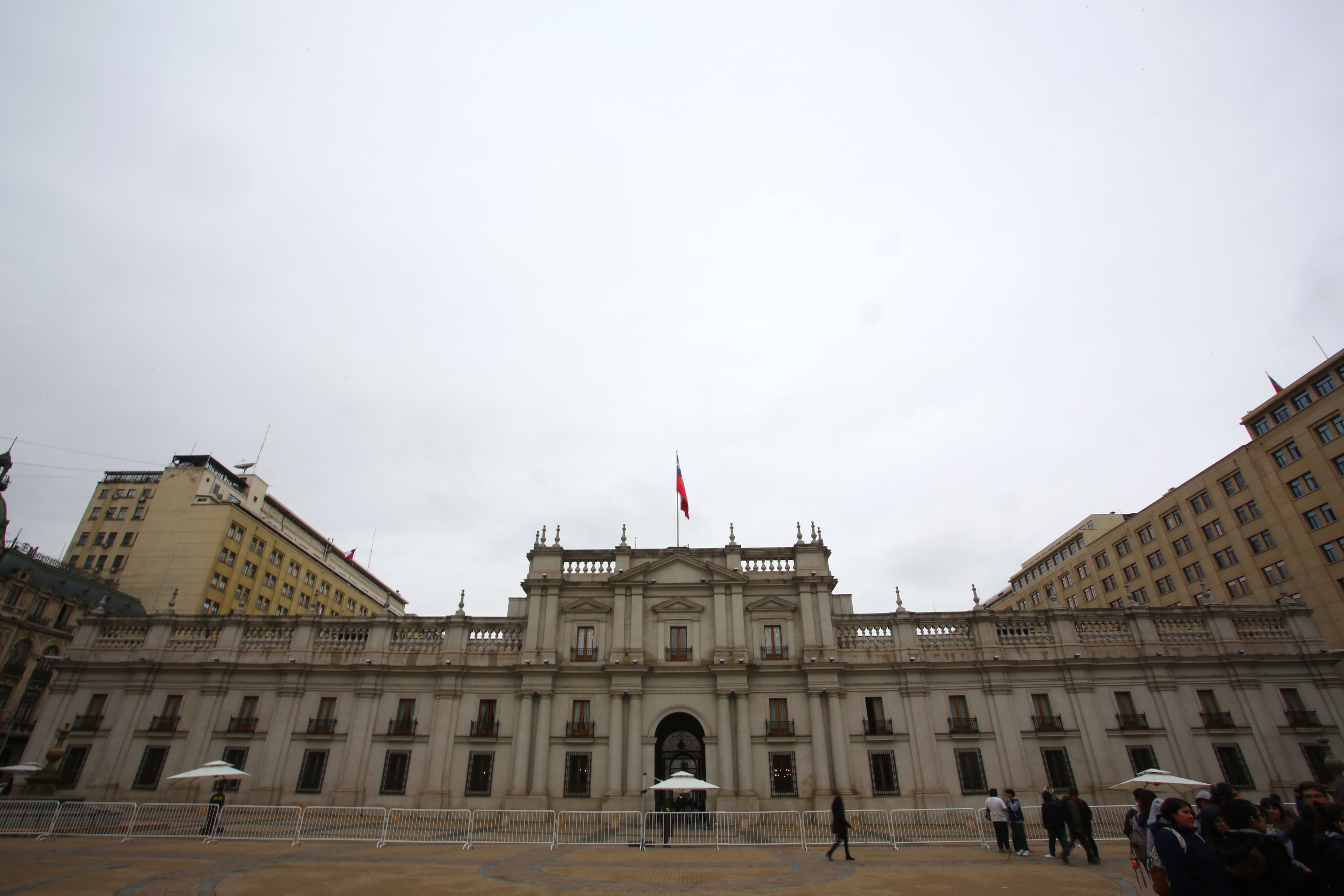
Chilean President Gabriel Boric's administration has seen a significant turnover, with 32 officials departing their posts just over four months after the current government began. This wave of departures includes individuals holding various high-level positions, such as ministers, undersecretaries, and regional ministerial secretaries (seremis). The recent removal of former undersecretary Rodríguez is highlighted as a key event prompting this overview of government personnel changes. The high number of resignations and removals within such a short period suggests potential instability or challenges within the early stages of the administration. These changes affect various sectors of the government, indicating a broad impact on the executive branch's operational capacity. The figures underscore the dynamic and potentially volatile nature of political appointments and government formation in Chile. Further analysis will be needed to understand the specific reasons behind each departure and their collective impact on policy implementation.
The substantial number of official departures within the initial four months of the administration signals potential governance challenges. This turnover rate could reflect difficulties in aligning policy objectives with personnel, internal political dynamics, or external pressures influencing executive appointments. From a systems perspective, such frequent changes may impede policy continuity and institutional memory, potentially impacting the government's effectiveness in addressing national priorities. Understanding the underlying incentives and selection processes for these roles is crucial for assessing the long-term stability and efficacy of the current administration's governing strategy.
AI-generated to prompt reflection — not editorial opinion, not advice, not a statement of fact. How this works.