Over 30 Water Facilities in Minnesota Targeted by Cyberattacks; Iran Suspected
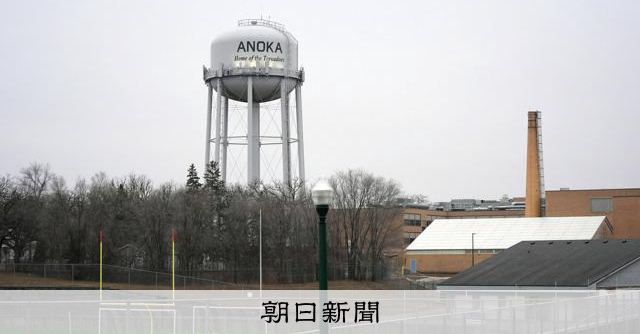
More than thirty water facilities in the U.S. state of Minnesota have been subjected to cyberattacks. The attacks targeted the Supervisory Control and Data Acquisition (SCADA) systems used to manage water treatment and distribution. While the investigation is ongoing, authorities are exploring the possibility of Iranian involvement. These systems are critical for public health and safety, controlling processes like water purification, pressure, and flow. The scale of the attack, affecting numerous facilities simultaneously, raises concerns about the vulnerability of essential infrastructure to sophisticated cyber threats. Officials are working to assess the full extent of the damage and restore normal operations while enhancing security measures. The potential link to Iran suggests a possible state-sponsored or state-condoned operation. This incident highlights the growing risks posed by cyber warfare targeting civilian infrastructure. Further details regarding the specific methods used and the impact on water quality are expected as the investigation progresses. The FBI and the Cybersecurity and Infrastructure Security Agency (CISA) are reportedly involved in the response.
The cyberattacks on Minnesota's water facilities underscore the increasing vulnerability of critical infrastructure to sophisticated digital threats. The potential involvement of an external state actor, such as Iran, points to the evolving landscape of geopolitical conflict, where cyber warfare is becoming a primary tool for disruption and coercion. Such attacks exploit the interconnectedness of modern systems, demonstrating how a breach in one area can have cascading effects on public services. This incident necessitates a re-evaluation of cybersecurity protocols for municipal water systems, emphasizing the need for robust defenses against both state-sponsored and independent cybercriminal groups. The long-term implications involve not only immediate operational disruptions but also potential erosion of public trust in the safety and reliability of essential services, prompting a strategic focus on resilience and proactive threat mitigation in the coming decade.
AI-generated to prompt reflection — not editorial opinion, not advice, not a statement of fact. How this works.