Over 300,000 vehicles overdue licensing in São Paulo's interior
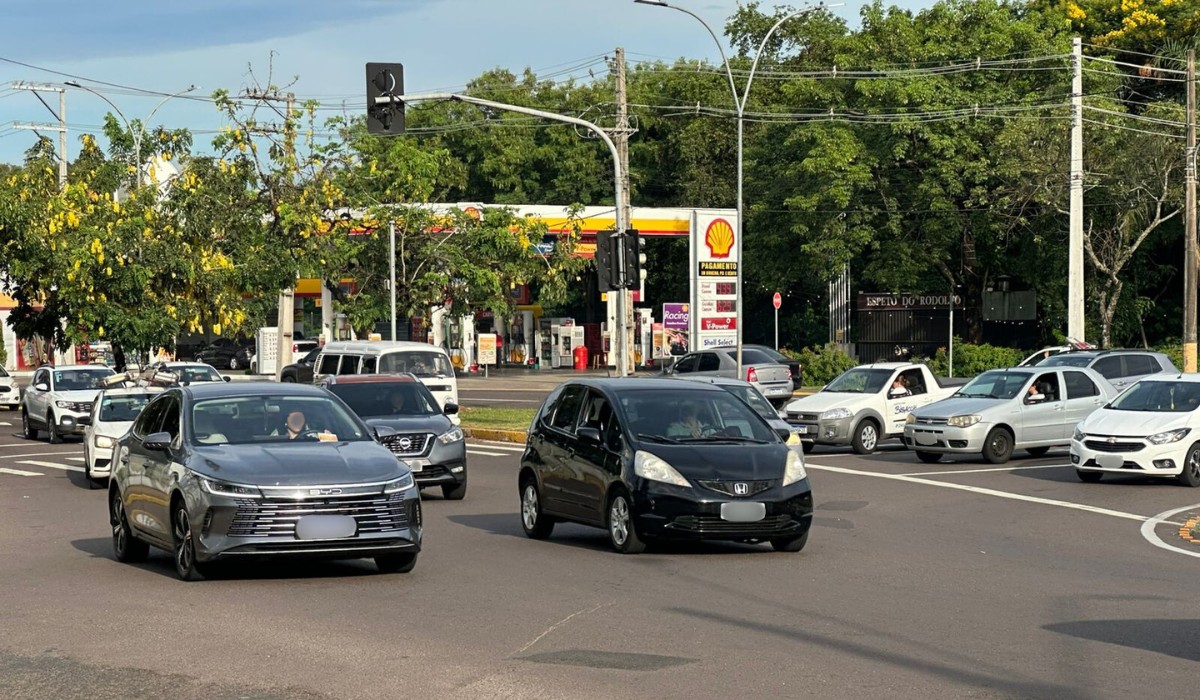
More than 300,000 vehicles in the interior of São Paulo state have overdue licensing, with the payment calendar for plates ending in 1 and 2 beginning in July. In Presidente Prudente alone, over 36,000 vehicles are delinquent, representing 21% of the city's active fleet of 171,946 vehicles if individual overdue periods were counted. The data comes from the State Department of Traffic of São Paulo (Detran-SP), which indicates that a single vehicle can have multiple years of overdue licensing. Sorocaba leads the state's interior cities with 110,330 overdue licenses, followed by São José do Rio Preto with 92,672 and Bauru with 62,394. Driving a vehicle with an expired license is considered a serious offense under Brazil's Traffic Code, punishable by fines, license points, and vehicle impoundment. Detran-SP has modernized its collection system, allowing digital payments for IPVA and pending fines via PIX, with immediate updates to the digital vehicle registration and licensing certificate (CRLV-e) upon payment of the R$ 174.08 fee and Renavam number. Owners are advised to check for administrative restrictions or judicial blocks if the electronic licensing is unavailable. The licensing schedule extends through December, with different plate endings having specific deadlines.
The significant number of overdue vehicle licenses in São Paulo's interior highlights potential systemic issues in public compliance and administrative efficiency. While Detran-SP has implemented digital solutions to streamline payments, the persistent delinquency suggests that barriers beyond mere process complexity may exist, such as financial hardship, lack of awareness, or administrative burdens for vehicle owners. The potential for vehicle impoundment, while a necessary enforcement tool, could disproportionately affect lower-income individuals. Future strategies might explore more proactive public outreach, tiered enforcement based on delinquency duration, or integrated financial assistance programs to address the root causes of non-compliance and improve overall road safety and regulatory adherence.
AI-generated to prompt reflection — not editorial opinion, not advice, not a statement of fact. How this works.