Over 4,000 Children and Adolescents Homeless in São Paulo State, Brazil
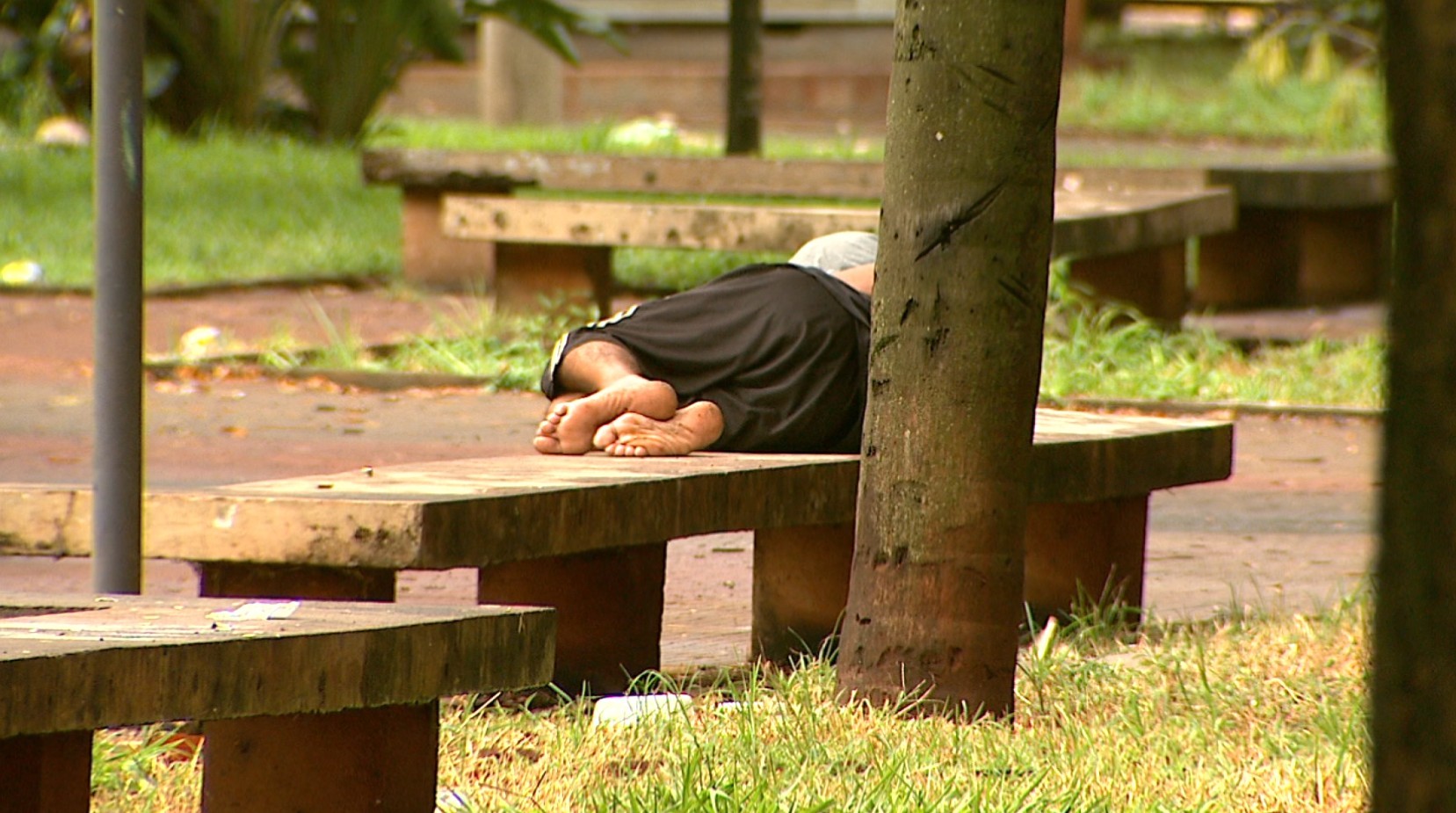
A recent survey by the Brazilian Observatory of Public Policies for the Homeless Population (ObPopRua) reveals that 4,096 children and adolescents are currently living on the streets in São Paulo state. This figure represents 41% of the national total, with Brazil recording 9,976 minors in such vulnerable situations as of July. São Paulo's high number is attributed to its dense population, particularly in the capital city and its metropolitan area, which accounts for 3,890 or 95% of the state's total. Migration from other regions of São Paulo and different states to large urban centers like Greater São Paulo also contributes significantly to these statistics. The phenomenon of homelessness is inherently urban and linked to the inequalities generated by large metropolises. The São Paulo State Secretariat for Social Development (SEDS) stated that protecting vulnerable children and adolescents is a government priority, having allocated over R$1 billion to municipalities for social assistance since 2023, with R$219.1 million specifically for the homeless population. However, experts like Manoel Torquato, coordinator of the "Criança Não é de Rua" network, suggest the actual numbers are likely underestimated, as current data only captures those reached by social assistance policies. He emphasizes the need for a comprehensive census to ensure these individuals are recognized in official data and can benefit from public policies. Beyond São Paulo, Roraima state reports a high number of 3,357 children on the streets, largely due to migration, primarily of Venezuelan and Haitian individuals, a trend that has persisted for about a decade. Bahia state follows, accounting for 6% of the national total. The survey also highlights that 44% of homeless children in Brazil are in early childhood (0-6 years), a critical period for cognitive and physical development, which is severely compromised by the violence, insecurity, and food insecurity inherent to street life, leading to potentially lifelong consequences.
The data from São Paulo highlights a critical intersection of urban inequality, demographic concentration, and migration patterns contributing to child homelessness. While state and municipal social assistance efforts are noted, the underreporting of the issue and the lack of a comprehensive census suggest systemic challenges in accurately identifying and addressing the needs of this vulnerable population. The disproportionate impact on early childhood underscores the long-term developmental consequences of street exposure. Future policy approaches might benefit from integrating urban planning, economic opportunity initiatives in less concentrated areas, and more robust data collection mechanisms that extend beyond current social service reach. The interplay between national migration trends and localized homelessness in states like Roraima and São Paulo indicates a need for coordinated inter-state and federal strategies to manage population flows and provide adequate support systems.
AI-generated to prompt reflection — not editorial opinion, not advice, not a statement of fact. How this works.