Over 4,000 Police Deployed for AJK Assembly Migrant Seat Elections in Rawalpindi
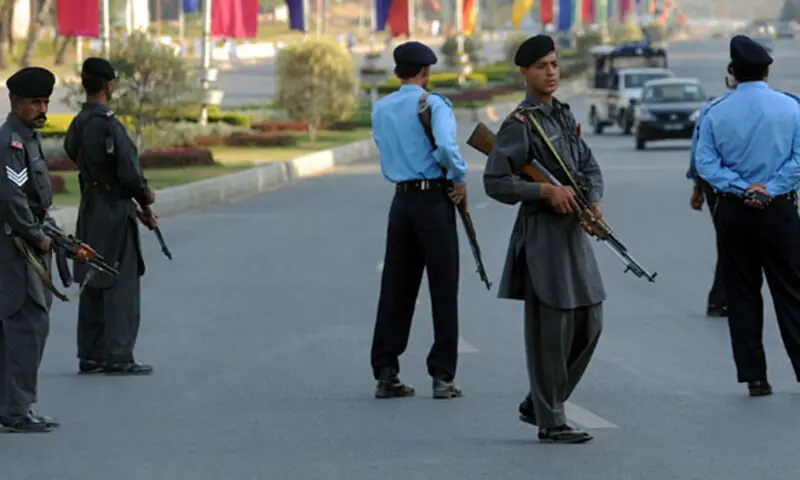
More than 4,000 police personnel will be deployed across Rawalpindi division to ensure security for the upcoming Azad Jammu and Kashmir (AJK) Legislative Assembly elections on August 2. These elections are specifically for the migrant seats designated for refugees from Indian-occupied Kashmir. The Rawalpindi Regional Police Officer (RPO), Babar Sarfraz Alpa, stated that a comprehensive security plan has been established, involving 4,029 officers. A total of 175 polling stations have been set up across four constituencies in the Rawalpindi Division: Attock, Jhelum, Chakwal, and Murree. These stations have been categorized as 'A' (highly sensitive), 'B' (sensitive), and 'C' (normal). The RPO emphasized that ensuring voters can cast their ballots safely is the top priority, with all available resources dedicated to facilitating free, transparent, and fair elections. Special surveillance and patrolling will be implemented at sensitive and highly sensitive locations. In Rawalpindi district alone, over 3,100 district police and 200 traffic police personnel will be deployed to manage 100 polling stations, with 18 classified as highly sensitive and 45 as sensitive. City Police Officer (CPO) Hassan Mushtaq Sukhera affirmed that election laws and the code of conduct will be strictly enforced, prioritizing citizen safety and maintaining peace throughout the process. The elections follow a history of scuffles and allegations of rigging in AJK polls, with previous disputes involving the PML-N and PPP. Additionally, the regional administration has been in conflict with the now-banned Joint Awami Action Committee regarding demands, including the abolition of the 12 reserved seats in the AJK Legislative Assembly.
The extensive security deployment for the AJK Assembly migrant seat elections highlights the persistent challenges in ensuring electoral integrity and public safety in the region. The categorization of polling stations based on sensitivity underscores the historical context of electoral disputes and potential for unrest. The emphasis on resource utilization, surveillance, and strict legal enforcement aims to mitigate risks associated with past allegations of rigging and violence. This approach reflects a governance strategy prioritizing stability and procedural fairness, yet it also raises questions about the underlying political dynamics and the long-term sustainability of electoral processes that require such significant security apparatus. The ongoing tensions surrounding reserved seats and demands for systemic change suggest that security measures alone may not address the root causes of electoral contestation and public dissatisfaction.
AI-generated to prompt reflection — not editorial opinion, not advice, not a statement of fact. How this works.