Over $4 Million in Metal Stolen from Japanese Shrines and Temples in 2.5 Years
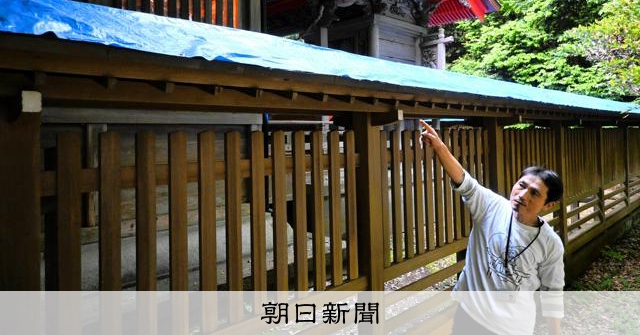
Metal theft from historical shrines and temples across Japan has resulted in damages exceeding 600 million yen (approximately $4.1 million USD) over the past two and a half years. The thefts include valuable copper plates from historic shrines, such as those in Kanagawa Prefecture. The scale of the problem highlights a significant issue of cultural heritage preservation and security. Authorities are investigating the incidents, but the widespread nature of the thefts suggests a coordinated effort or opportunistic criminal activity targeting these sacred sites. The economic impact is substantial, and the loss of these historical artifacts represents an irreplaceable blow to Japan's cultural identity. The incidents have raised concerns among religious organizations and local communities about the vulnerability of their heritage. Efforts are underway to enhance security measures at these sites, but the vast number of locations and the value of the materials make comprehensive protection a significant challenge. The ongoing trend indicates a persistent threat to Japan's rich historical and religious landscape.
The widespread theft of metal from historical religious sites in Japan, amounting to over $4 million in two and a half years, points to a systemic vulnerability in the protection of cultural heritage. This trend likely reflects a confluence of factors, including the intrinsic value of materials like copper in illicit markets, coupled with potentially underfunded or inadequate security infrastructure at numerous decentralized locations. The economic incentive for criminals appears to outweigh the perceived risks, especially given the difficulty in monitoring and safeguarding vast numbers of historical sites. Moving forward, a multi-faceted approach involving enhanced surveillance, community watch programs, and potentially the development of less valuable, yet durable, replacement materials could mitigate future losses. Furthermore, international cooperation may be necessary to disrupt the supply chains for stolen cultural artifacts and materials.
AI-generated to prompt reflection — not editorial opinion, not advice, not a statement of fact. How this works.