Over 400 Nepalis Rescued from Cambodia in One Year
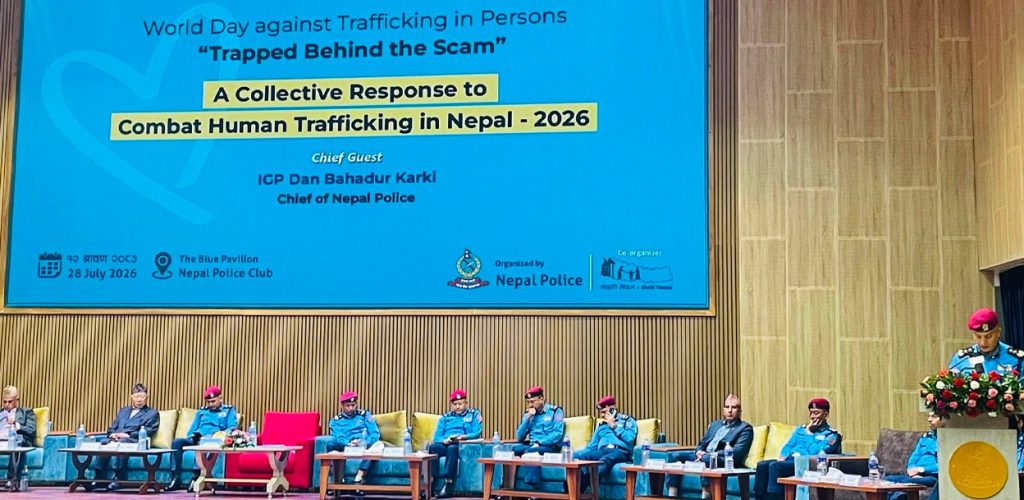
A total of 400 Nepali citizens have been rescued from Cambodia within a single year. This information was revealed by SSP Nakul Pokharel of the Human Trafficking Investigation Bureau during an anti-human trafficking event held at the Nepal Police Club in Bhrikutimandap on Tuesday. According to Pokharel, the rescued individuals comprised 382 men and 18 women. The rescues occurred during the fiscal year 2082/83. The event highlighted the ongoing efforts to combat human trafficking and bring victims back to Nepal. The scale of the rescue operation underscores the significant challenge of human trafficking affecting Nepali citizens abroad. Further details on the specific circumstances leading to the trafficking and the methods of rescue were not provided in the initial report. The Human Trafficking Investigation Bureau continues to work on identifying and rescuing Nepali nationals who have fallen victim to such exploitation.
The significant number of Nepalis rescued from Cambodia in a single year highlights a critical issue in international human trafficking networks. This situation suggests potential vulnerabilities in recruitment processes, employment opportunities, and law enforcement cooperation between the involved nations. The disparity in gender (382 men vs. 18 women) may indicate specific types of exploitation targeting male migrant workers, possibly in sectors like construction or forced labor, which warrants further investigation into the demand drivers in Cambodia. Addressing this requires a multi-faceted approach, including enhanced pre-departure education for potential migrants, stronger bilateral agreements for victim repatriation and perpetrator prosecution, and a deeper understanding of the financial incentives driving these criminal enterprises. Over the next decade, as global connectivity increases, so too will the sophistication of trafficking operations, making proactive intelligence sharing and adaptive legal frameworks essential for prevention.
AI-generated to prompt reflection — not editorial opinion, not advice, not a statement of fact. How this works.