Over 450 Fines Issued for Improper Footwear While Driving in São Paulo
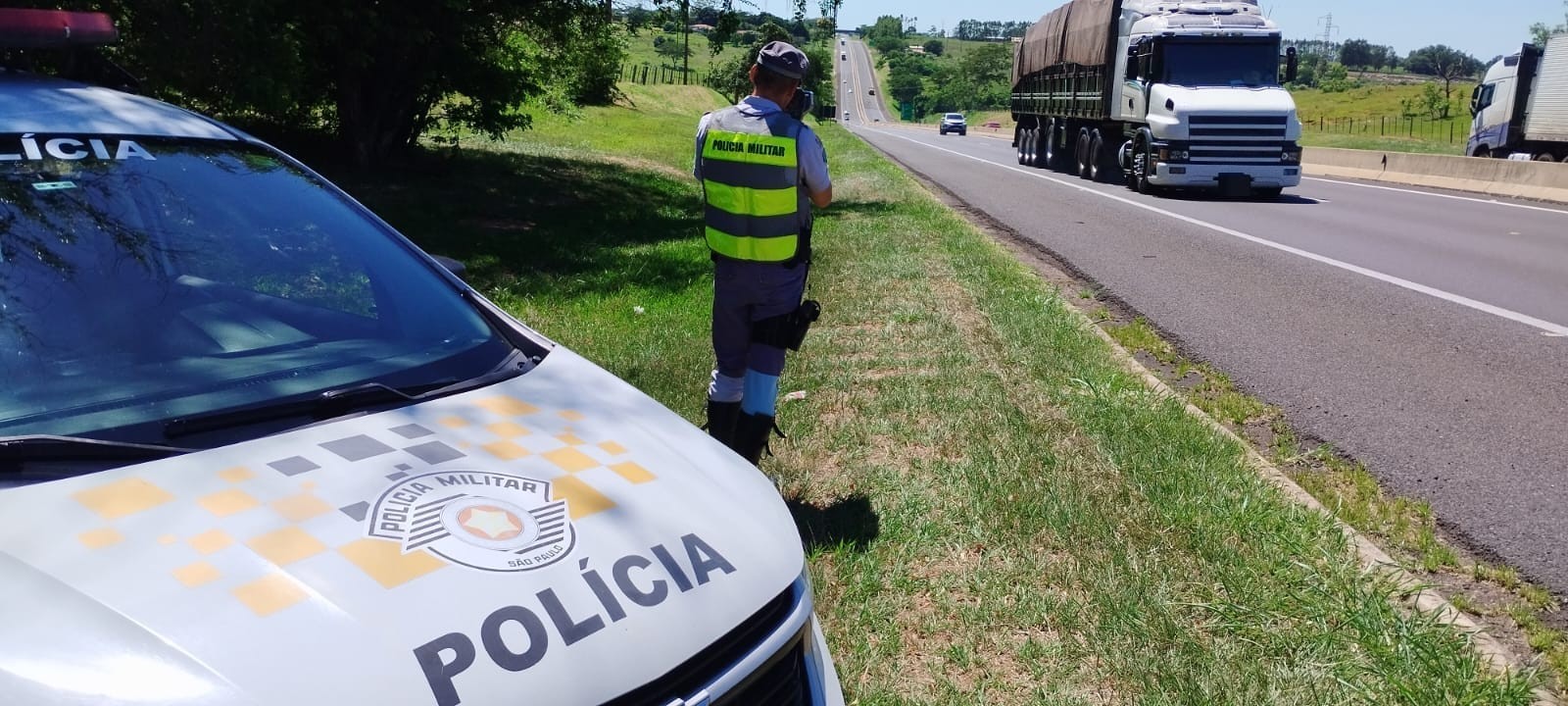
In the first five months of the year, over 450 drivers in the western and central-western regions of São Paulo state were fined for operating vehicles with inappropriate footwear. Specifically, Presidente Prudente recorded 100 such infractions, while Bauru issued 351 fines during the same period. According to Brazil's Traffic Code (CTB), Article 252 classifies driving with footwear that impedes pedal operation as a medium-level offense. This violation carries a fine of R$ 130.16 and results in four points added to the driver's license (CNH). With the holiday season and an upcoming public holiday, authorities anticipate an increase in these types of citations. Footwear such as flip-flops, sandals, or clogs are explicitly mentioned as problematic because they can slip off or hinder the driver's ability to control the pedals effectively. The article also highlights a separate issue of drunk driving in the Presidente Prudente region, where eight drivers were caught under the influence on a single day. One 35-year-old driver was arrested for drunk driving, resisting arrest, and property damage after running a red light and driving the wrong way. He also endangered pedestrians, including children, by accelerating recklessly near a crowd watching a soccer match. Driving under the influence is a serious offense in Brazil, punishable by detention ranging from six months to three years. Article 165 of the CTB designates it a severe infraction, resulting in a tenfold fine (R$ 2,934.70), a 12-month license suspension, and vehicle impoundment, with penalties doubled for repeat offenders within a year.
The enforcement of traffic laws concerning footwear and driving highlights a common intersection of public safety regulations and individual behavior. While seemingly minor, the rule against improper footwear addresses the fundamental need for drivers to maintain full control over vehicle operation, particularly the pedals. This underscores a broader principle in traffic safety: that any factor potentially compromising a driver's ability to react or control the vehicle warrants regulatory attention. The concurrent reporting of drunk driving incidents, a far more severe offense, provides context for the ongoing challenges in ensuring responsible driving practices. It suggests a spectrum of driver risk-taking, from casual disregard for rules like footwear choice to deliberate impairment. Future traffic safety strategies may benefit from integrating behavioral economics to understand and address the underlying motivations behind these diverse risk-taking behaviors, aiming for more effective prevention beyond simple punitive measures.
AI-generated to prompt reflection — not editorial opinion, not advice, not a statement of fact. How this works.