Over 450 Prosecutors in Minas Gerais Earned Over R$300,000 Each in Two Months
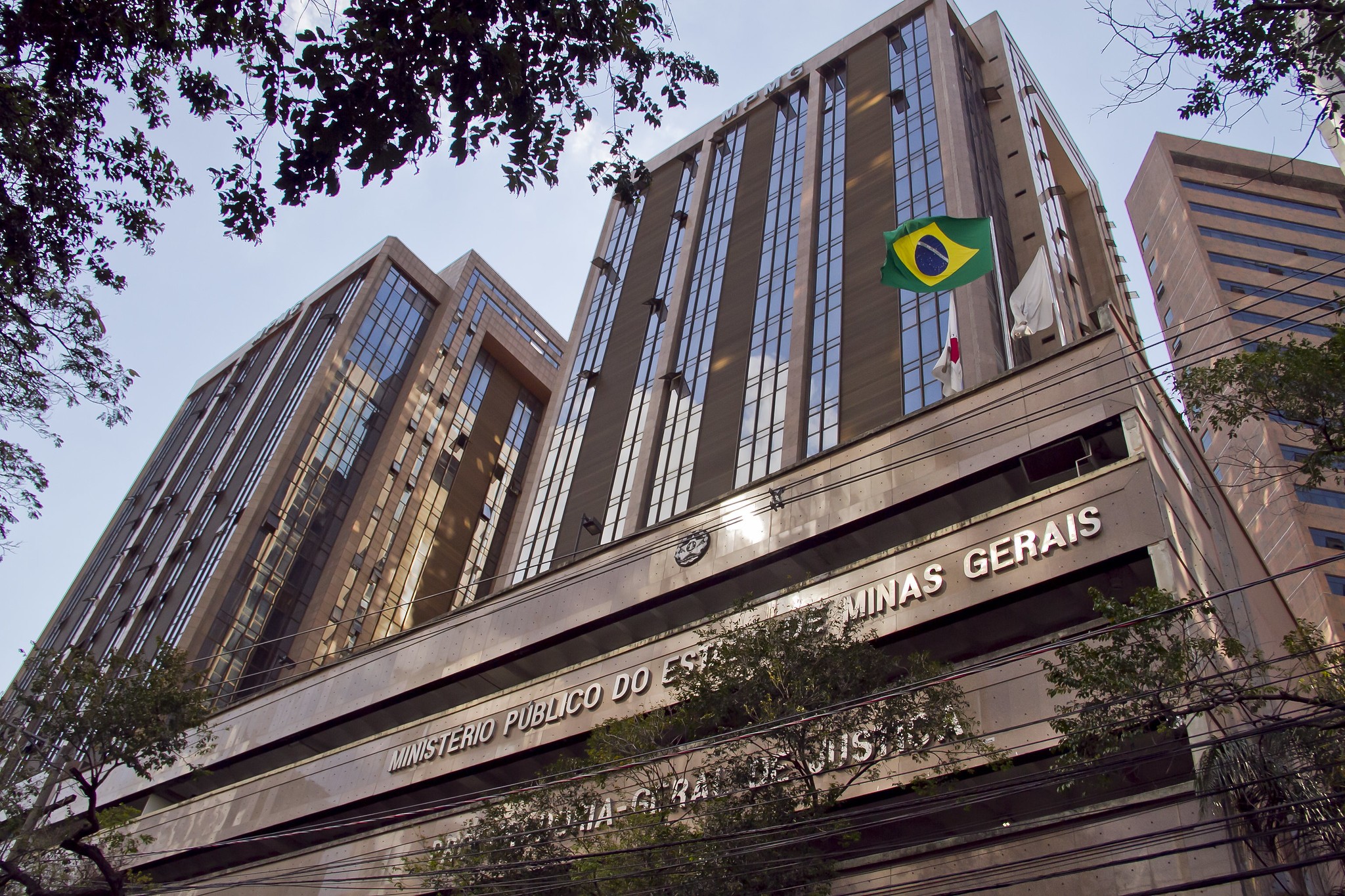
An investigation by g1, based on payroll data from the Public Prosecutor's Office of Minas Gerais (MPMG), revealed that 459 prosecutors and attorneys received over R$300,000 net each in March and April 2026. These payments, which included regular salaries and additional benefits known as "penduricalhos," ranged from R$300,042.99 to R$381,862.62 per individual. Collectively, these MPMG employees cost the public over R$155.2 million. The MPMG has since changed its transparency portal to anonymize recipients by using identification numbers instead of names, making it impossible for the public to track individual earnings. For context, the constitutional salary ceiling for public servants in Brazil is R$46,366.19 per month, or approximately R$92,732 over two months. A significant portion of the 459 MPMG members received more than three times this two-month amount, with at least six exceeding four times the constitutional limit. However, the Brazilian Constitution permits certain compensatory allowances and retroactive payments to be excluded from the constitutional salary cap, which explains these exceptionally high figures. In March alone, nearly all MPMG prosecutors and attorneys received substantial amounts through "Despesas de Exercícios Anteriores" (DEA), which covers past-due rights like unused vacation days, salary differences, and amounts from judicial or administrative decisions. These DEA payments often surpassed monthly salaries; one prosecutor received R$189,067.35 in DEA in March, more than five times their regular net salary of R$35,245.43 for that month. These payments occurred shortly before new regulations on these "penduricalhos" took effect. On March 25, 2026, the Supreme Federal Court (STF) established new rules limiting these allowances to 35% of the constitutional ceiling, applicable from May 2026 payrolls. While the STF later allowed cash payments for accumulated leave before the ruling, the MPMG has not yet published its May payroll, the first under these new guidelines. The MPMG stated its transparency portal is undergoing updates to comply with these new requirements. In addition to anonymizing salaries, the MPMG's updated transparency portal now requires users to log in with a Gov.br account and no longer offers data for download in spreadsheet formats, displaying it only on web pages.
The substantial payments received by MPMG prosecutors, exceeding constitutional salary limits through a combination of base pay and various allowances, highlight a recurring tension between public sector compensation structures and fiscal accountability. While the Brazilian Constitution allows for certain exceptions to salary caps, the timing of these large payments just before new STF regulations took effect raises questions about the strategic utilization of existing rules. The MPMG's subsequent shift to anonymized payroll data and restricted access further complicates public oversight, potentially obscuring the distribution of public funds. This situation underscores the ongoing challenge of balancing the need for specialized public service compensation with the imperative for transparency and equitable use of taxpayer money, especially in an era where public trust in institutions is paramount. Future reforms may need to address not only the quantum of these allowances but also the clarity and accessibility of their disclosure mechanisms to ensure robust accountability.
AI-generated to prompt reflection — not editorial opinion, not advice, not a statement of fact. How this works.