Over 50,000 Ukrainians Shelter in Kyiv Metro During Russian Air Strikes
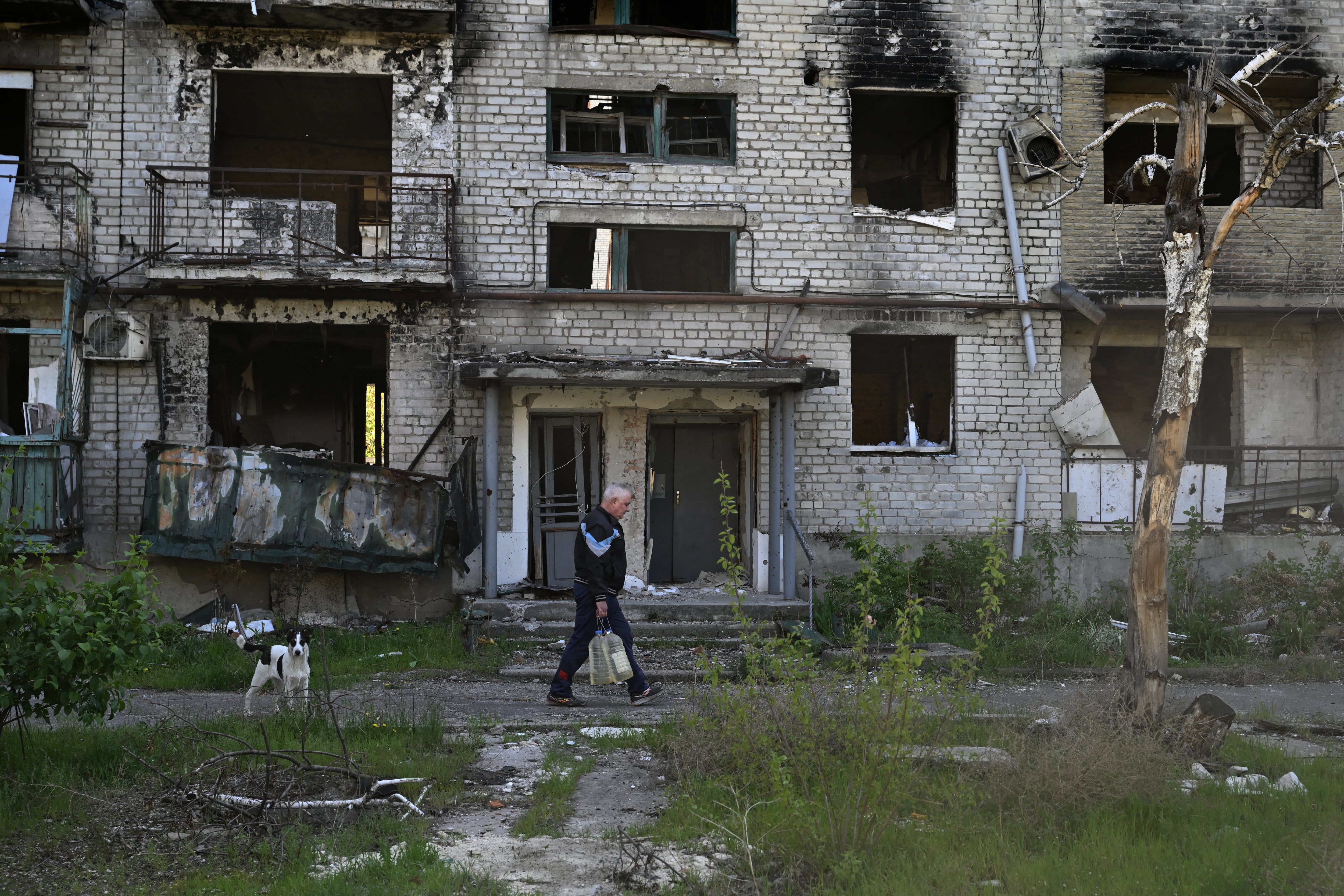
More than 50,000 Ukrainian citizens spent the night seeking refuge in the Kyiv Metro system as Russia launched a wave of air attacks. This marks the largest number of people to have used the subway for shelter during a nighttime air raid in recent years. The situation highlights the ongoing impact of the conflict on civilian populations, forcing widespread displacement and reliance on underground infrastructure for safety. The scale of this evacuation into the metro underscores the severity of the aerial bombardment and the immediate threat perceived by residents in the capital city. Authorities have been coordinating efforts to ensure the safety and well-being of those sheltering underground, providing essential services where possible. The event signifies a critical moment in the escalation of hostilities, with civilians bearing the brunt of the violence. The metro's capacity has been tested as it becomes a temporary home for tens of thousands fleeing the conflict. This mass sheltering event underscores the persistent danger faced by urban populations in Ukraine amidst sustained military actions.
The mass sheltering of over 50,000 civilians in the Kyiv Metro during Russian air strikes signifies a critical juncture in the ongoing conflict, underscoring the profound impact of aerial warfare on urban populations. This event highlights the strategic importance of underground infrastructure as a last resort for civilian safety, raising questions about urban resilience and preparedness in protracted conflicts. The scale of displacement necessitates a review of humanitarian aid distribution and emergency response protocols, particularly concerning access to essential services for large, temporary populations. Looking ahead, the increasing reliance on such shelters may prompt innovations in subterranean habitability and urban planning to mitigate the long-term effects of displacement and ensure a baseline of dignity for affected civilians amidst escalating geopolitical tensions.
AI-generated to prompt reflection — not editorial opinion, not advice, not a statement of fact. How this works.