Over 50 Human Hair Wigs Stolen from Rio de Janeiro Store; Estimated Loss R$70,000
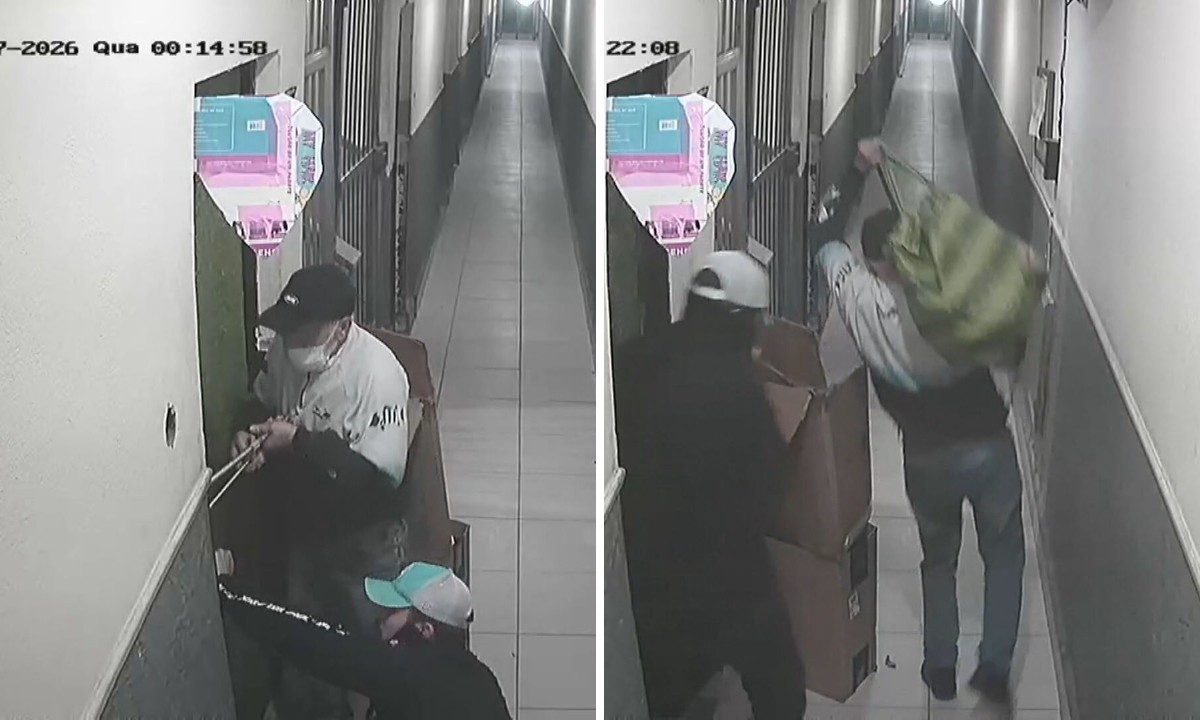
Criminals stole more than 50 human hair wigs from a store in Madureira, located in the North Zone of Rio de Janeiro. The theft occurred on Tuesday, the 14th, and resulted in an estimated financial loss of approximately R$70,000. Security camera footage captured two men forcing entry into the establishment and removing hair extensions from the shelves. The store owner reported that the suspects had visited the store earlier that day, posing as customers. During that initial visit, they did not make any purchases but inquired about company cards and product prices. While committing the theft, one of the individuals attempted to disable a security camera but was unsuccessful. In addition to the financial damage, the merchant estimates that around 15 kilograms of human hair were taken. The store owner, Anderson Silva, expressed his distress, stating that the stolen goods were on consignment and he lacks the funds to replace them or continue operating his business. He appealed for help in identifying the perpetrators and recovering his merchandise, emphasizing that his livelihood depends on sewing and selling hair. The incident has been reported to the 29th Police Precinct (Madureira), and the Civil Police are actively investigating the theft, conducting inquiries to identify the responsible parties and gather further details about the crime.
This incident highlights vulnerabilities in retail security, particularly for businesses dealing in high-value, easily transportable goods. The perpetrators' reconnaissance prior to the theft suggests a planned operation, exploiting perceived weaknesses in the store's security measures. The significant financial and inventory loss poses a severe challenge to the small business owner, underscoring the disproportionate impact of such crimes on independent entrepreneurs. Future security strategies for similar businesses might consider enhanced surveillance, access control, and inventory management systems, alongside community-based intelligence gathering to deter and apprehend offenders. The case also points to the broader economic implications of theft for local commerce and the need for effective law enforcement responses to protect small businesses.
AI-generated to prompt reflection — not editorial opinion, not advice, not a statement of fact. How this works.