Over 50 Workers Rescued from Slave-Like Conditions in Brazil; Lacked Basic Amenities
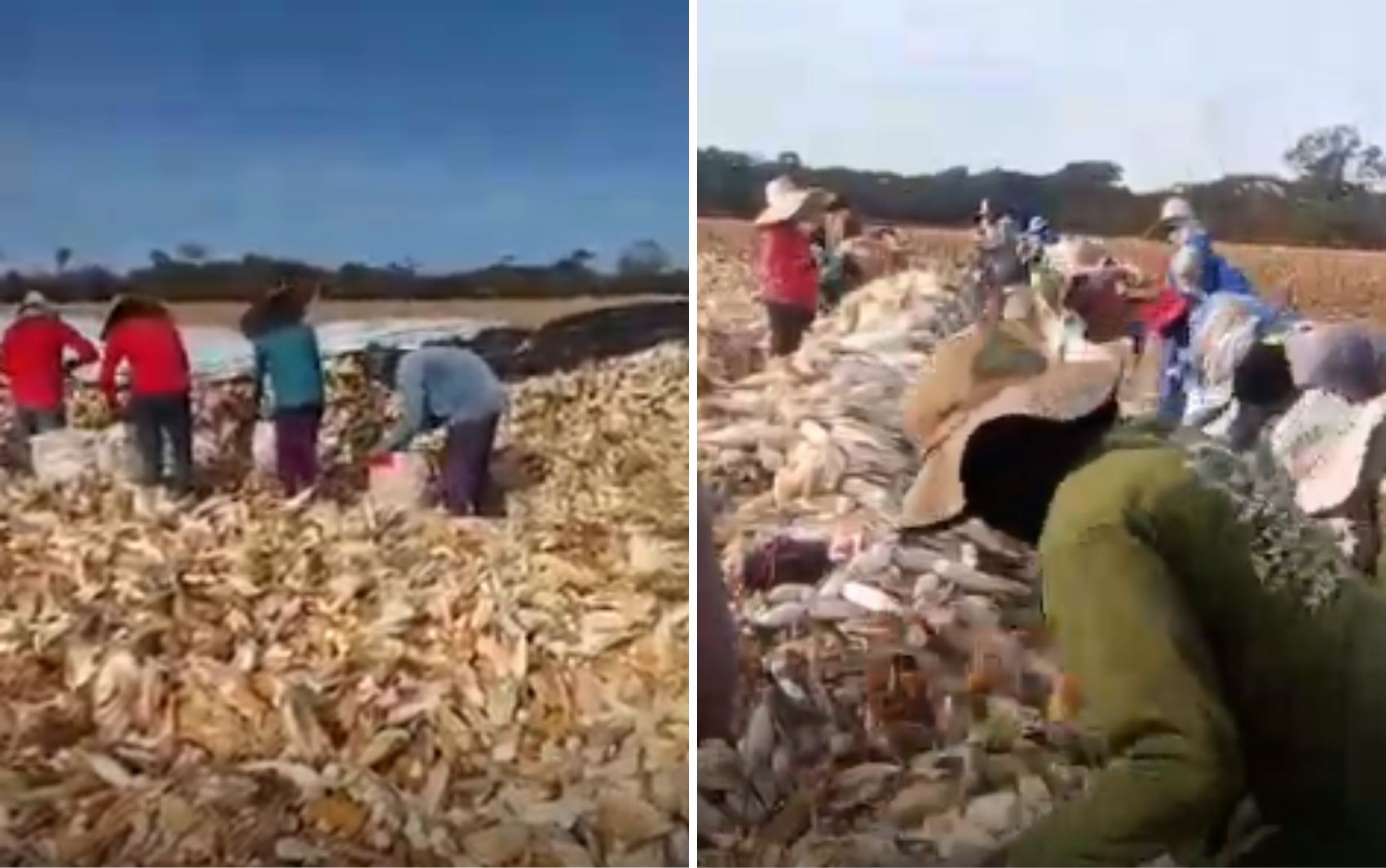
Fifty-five workers have been rescued from conditions analogous to slavery in Cezarina, Goiás, Brazil, according to the Ministry of Labor and Employment (MTE). These workers, originally from Bahia and Minas Gerais, were recruited with promises of monthly earnings between R$6,000 and R$10,000 for corn straw extraction for cigarette production. Upon inspection, authorities found the workers eating on the floor, lacking available bathrooms, and forced to relieve themselves in the bushes or bags. They also reported a lack of potable water and adequate personal protective equipment at the work sites. The operation, conducted on July 23-24, involved the MTE and the Public Ministry of Labor (MPT) and was prompted by a complaint from the dissatisfied workers. While no physical violence or restriction of liberty was reported, the MTE characterized the situation as slave-like due to deceptive recruitment practices, often facilitated by intermediaries known as 'gatos' through messaging apps. The employer claimed work had stalled due to issues with the corn straw and a prior company's exit from the business, leaving him with expenses. He also stated that many workers chose not to work and that he could not afford to send them home when they expressed a desire to leave. The employer contested the salary promises, stating only two supervisors were to earn R$6,000 and that all workers were paid based on their production. The MTE facilitated the workers' return to their home cities and they are eligible for unemployment benefits of R$1,621.00 for six months. The MPT plans to file a lawsuit seeking compensation for individual and collective moral damages, and the employer faces potential inclusion on a 'dirty list' of slave labor employers.
This incident highlights the persistent issue of labor exploitation in supply chains, particularly in sectors reliant on temporary or migrant workforces. The recruitment methods, involving intermediaries and exaggerated promises, are a common mechanism for trapping vulnerable individuals in exploitative situations. The employer's defense, citing logistical and financial difficulties, points to systemic vulnerabilities in agricultural and raw material production where fluctuating market conditions and contractual disputes can indirectly lead to severe labor rights violations. Future regulatory frameworks may need to focus on greater transparency and accountability for all actors in the supply chain, including the end purchasers of the raw materials, to ensure fair labor practices are upheld and that workers are not subjected to conditions that strip them of basic dignity and rights.
AI-generated to prompt reflection — not editorial opinion, not advice, not a statement of fact. How this works.