Over 50 Workers Rescued from Slave-Like Conditions in Goiás, Brazil
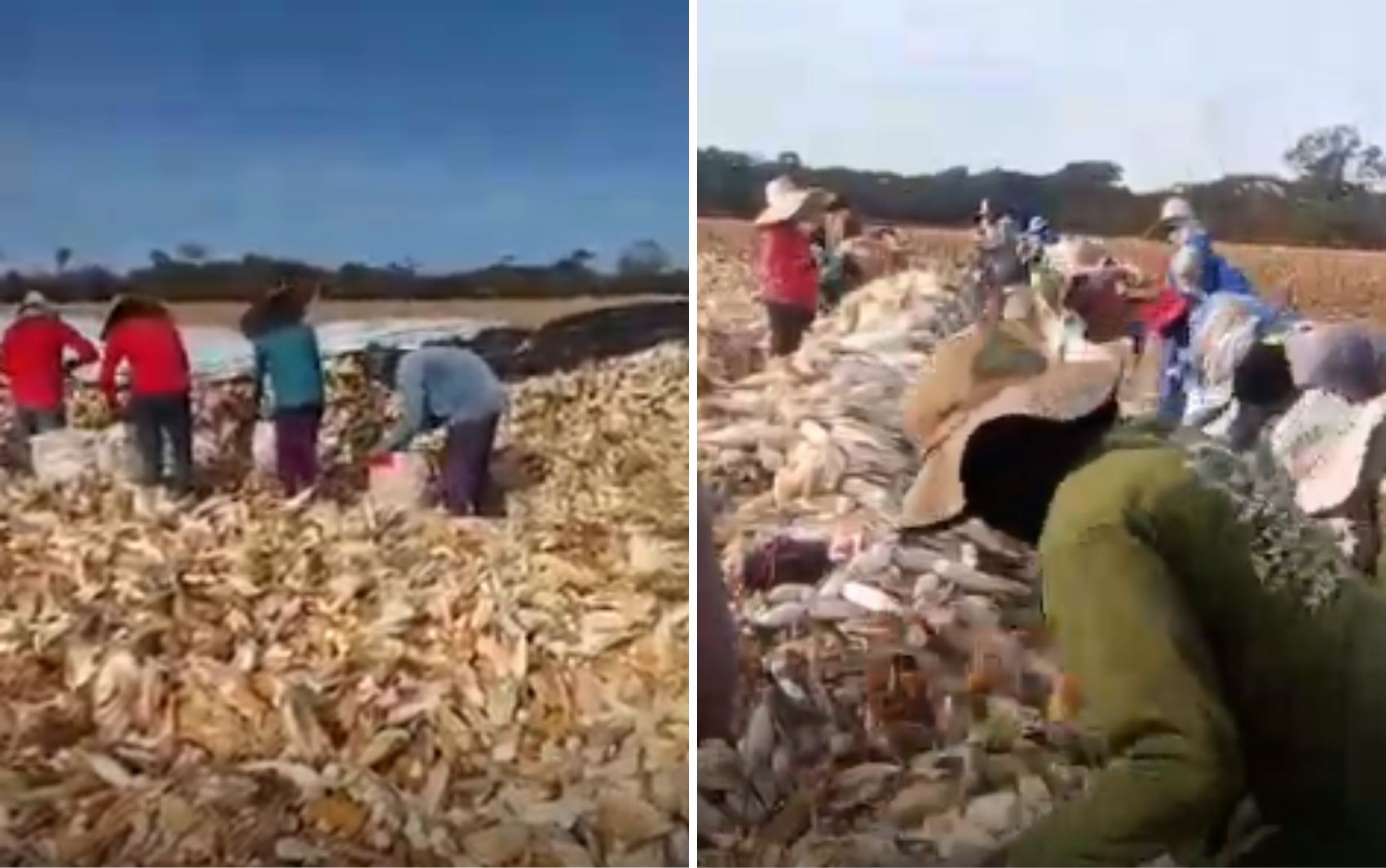
A joint operation conducted on July 23rd and 24th in Cezarina, Goiás, Brazil, has rescued 55 workers from conditions described as analogous to slavery. These individuals, originally from Bahia and Minas Gerais, were recruited with promises of monthly earnings between R$ 6,000 and R$ 10,000 to work in corn husk extraction for cigarette production. However, upon arrival, they faced prolonged periods without work, allegedly due to logistical issues with machinery, and were only promised minimum wage for days worked. Additionally, their bi-weekly salaries were reportedly delayed, and their return to their home states was not guaranteed by the employer. The Ministry of Labor and Employment (MTE) reported that approximately 150 workers were initially recruited, but two-thirds had already departed due to dissatisfaction. The operation was prompted by complaints from the workers themselves, who found themselves in a precarious situation with unmet promises. Irregularities included a lack of adequate personal protective equipment (EPIs), unsanitary conditions for meals and waste disposal, and no potable water at work sites. While no physical violence or restriction of liberty was reported, the MTE classified the situation as slave-like due to deceptive recruitment practices, often involving intermediaries known as "gatos" in messaging groups. The rescued workers are entitled to unemployment benefits and will receive assistance from the Public Ministry of Labor, which will file a lawsuit for individual and collective moral damages. The employer faces potential inclusion on the "dirty list" of slave labor and administrative and judicial penalties.
This operation highlights systemic vulnerabilities in labor recruitment and oversight, particularly concerning migrant workers lured by false promises. The incident underscores the importance of robust due diligence by employers and effective enforcement mechanisms to prevent deceptive recruitment practices. The subsequent provision of unemployment benefits and potential legal action represent crucial steps in addressing the immediate harm and deterring future exploitation. Moving forward, leveraging technology for transparent contract management and real-time worker feedback could mitigate risks associated with intermediated recruitment and ensure fair labor practices in agricultural and industrial sectors.
AI-generated to prompt reflection — not editorial opinion, not advice, not a statement of fact. How this works.