Over 500 cases of children left in cars at pachinko parlors in Japan
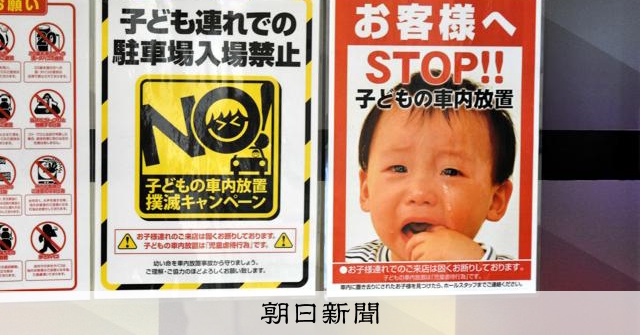
Authorities in Japan have reported over 500 instances of children being left unattended in vehicles while their guardians visited pachinko parlors. This practice, even for what are perceived as "short periods," is strictly prohibited due to the severe risks involved. The incidents highlight a persistent issue where individuals underestimate the dangers of leaving children in cars, especially during warmer months when temperatures inside vehicles can rise rapidly. Many of these cases involve young children who are particularly vulnerable to heatstroke and other life-threatening conditions. Law enforcement and child welfare agencies are reiterating warnings to the public about the illegitimacy and extreme danger of such actions. They emphasize that there is no acceptable duration for leaving a child alone in a car, as even a few minutes can be critical. The data, compiled by various prefectural police departments, underscores the need for increased public awareness and stricter enforcement to prevent future occurrences. The focus remains on educating guardians about the potential consequences, which can include severe injury or death to the child, and legal repercussions for the caregiver.
The recurring issue of children being left in vehicles at pachinko parlors points to a societal challenge in risk perception and parental responsibility. While individual guardians may rationalize brief absences, the systemic risk underscores a failure in public education and potentially in the oversight provided by such entertainment venues. The high number of reported cases suggests that current deterrents, including warnings and potential legal consequences, are insufficient to modify behavior. Future interventions could explore mandatory safety education for patrons, enhanced surveillance, or partnerships with child welfare organizations to proactively address these dangerous practices. The long-term implication involves protecting vulnerable populations and ensuring that public spaces prioritize safety over convenience for patrons, especially concerning minors.
AI-generated to prompt reflection — not editorial opinion, not advice, not a statement of fact. How this works.