Over 500 May Have Died in Myanmar Boat Disasters, UN Agencies Report
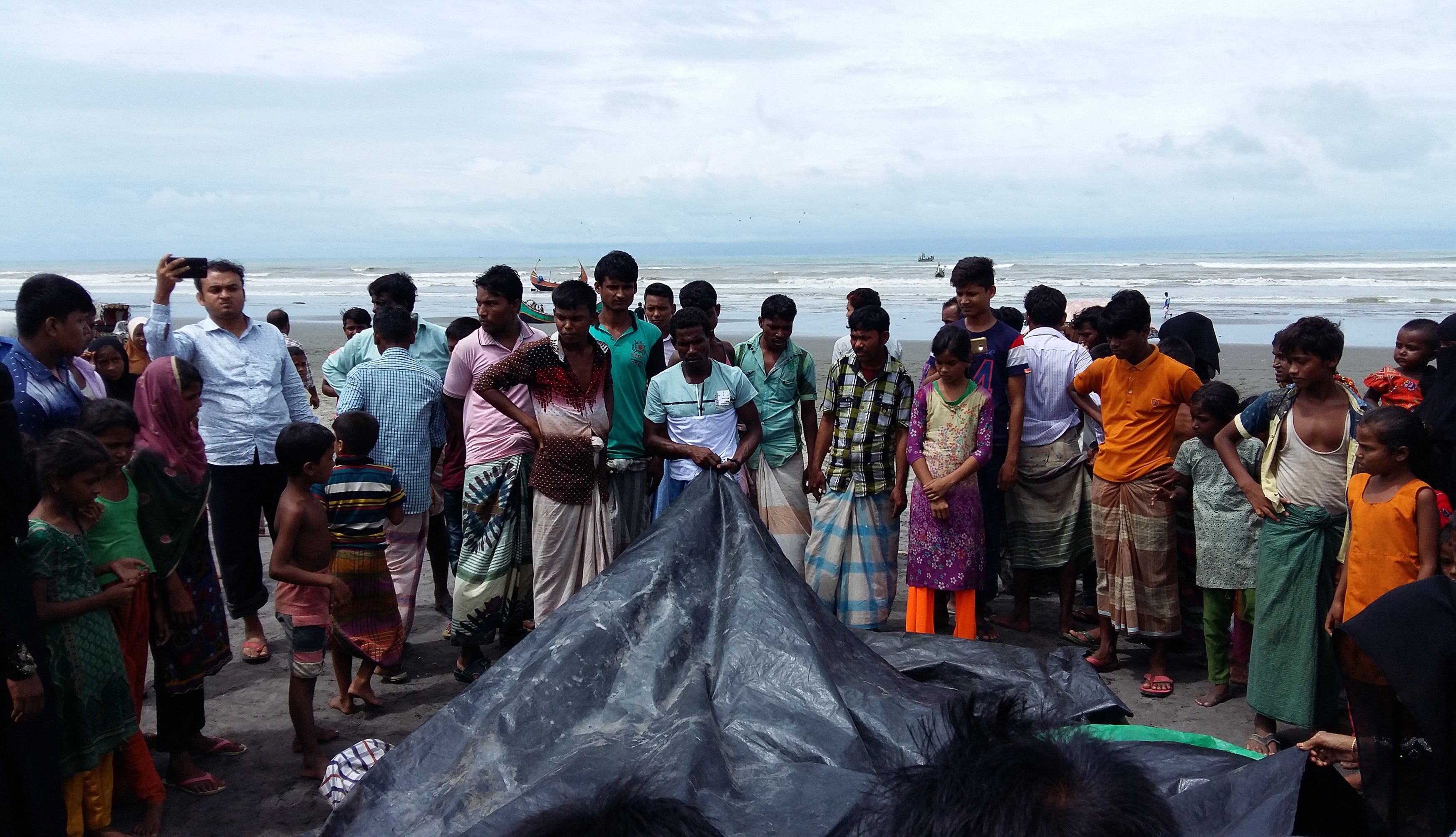
Two boats carrying over 500 people may have capsized off the coast of Myanmar in recent days, according to United Nations agencies. The vessels reportedly departed from Myanmar's Rakhine State in late June, with many passengers being Rohingya refugees, some of whom had traveled from camps in Cox's Bazar, Bangladesh. Preliminary information suggests that over 500 individuals may have perished in these incidents. The International Organization for Migration (IOM) and the UN Refugee Agency (UNHCR) expressed deep concern over the potential catastrophic loss of life, although the events and casualty figures have not yet been officially confirmed. The first boat, with approximately 250 people, lost contact shortly after departure. The second vessel, carrying around 280 individuals, is believed to have sunk off the coast of Ayeyarwady, Myanmar, on July 8th. These perilous journeys are undertaken by members of Myanmar's Rohingya Muslim minority seeking safety and better opportunities, often driven by violence in their homeland and desperate conditions in overcrowded refugee camps in Bangladesh. They aim to reach countries like Malaysia, Indonesia, or Thailand. The UN agencies noted that these voyages occurred outside the regular sailing season, when maritime conditions are typically more dangerous. This year, nearly 300 people, including Rohingya refugees and Bangladeshi nationals, are reported missing or dead in the Andaman Sea and Bay of Bengal.
The reported potential loss of over 500 lives in maritime disasters off Myanmar's coast highlights the extreme risks undertaken by vulnerable populations, particularly the Rohingya, in their pursuit of safety and opportunity. This situation underscores a persistent systemic failure to address the root causes of displacement and the lack of safe, legal pathways for refugees. The dangerous sea journeys, often undertaken during hazardous seasons, reflect desperation driven by unresolved conflicts and dire conditions in refugee settlements. As climate change increasingly impacts weather patterns and maritime safety, such incidents may become more frequent and severe, demanding proactive international cooperation and a renewed focus on durable solutions beyond temporary encampments. This tragedy serves as a stark reminder of the urgent need for comprehensive regional strategies that prioritize human security and address the underlying political and social factors contributing to forced migration.
AI-generated to prompt reflection — not editorial opinion, not advice, not a statement of fact. How this works.