Over 500 Rohingya Feared Dead in Two Myanmar Boat Disasters, UN Agencies Warn
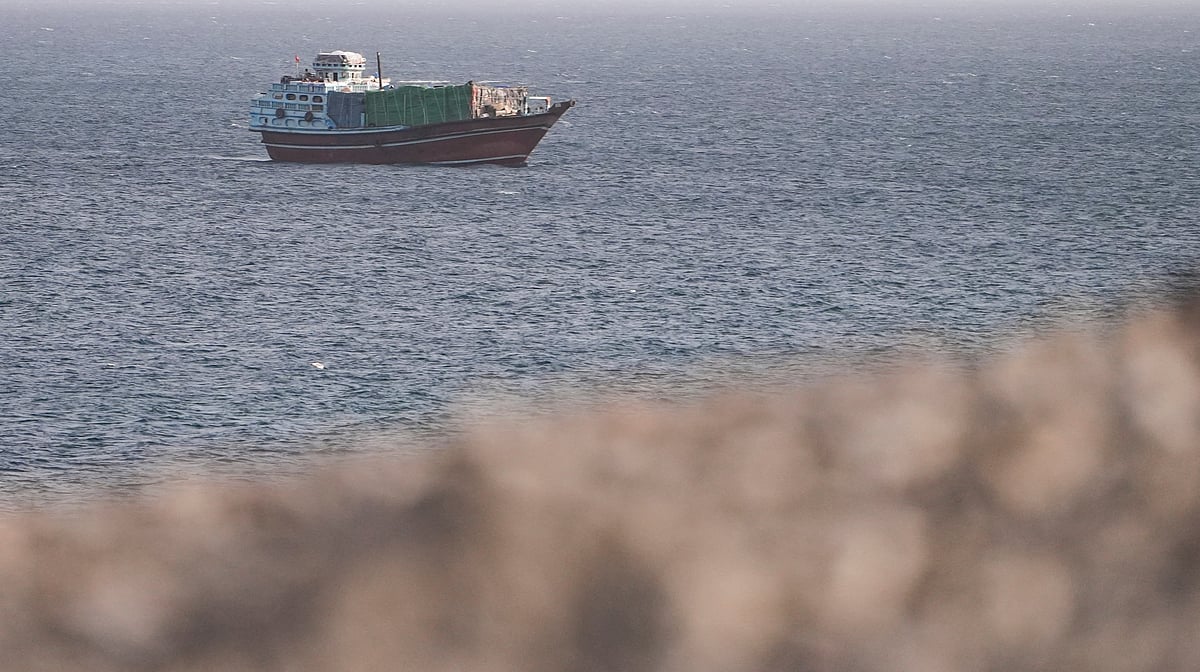
United Nations agencies are expressing grave concern over the potential loss of over 500 lives following the capsizing of two boats carrying Rohingya refugees off the coast of Myanmar. The majority of those believed to have perished are Rohingya, including individuals who had departed from refugee camps in Bangladesh. The boats reportedly set sail from Myanmar's Rakhine State in late June, carrying more than 500 passengers in total. While the exact number of casualties and the circumstances of the incidents are still under official confirmation, the UN Refugee Agency (UNHCR) and the International Organization for Migration (IOM) have highlighted the extreme danger of these journeys.
Rohingya, who have long faced persecution in Myanmar, frequently undertake perilous sea voyages in small wooden boats in hopes of reaching countries like Malaysia, Indonesia, and Thailand for safety and livelihood. The ongoing violence in Myanmar and the challenging conditions in Bangladesh's overcrowded refugee camps are driving these desperate attempts. According to UN data, approximately 900 Rohingya refugees died or went missing in the Andaman Sea and Bay of Bengal last year, making it one of the world's deadliest maritime routes for refugees and migrants. In the latest incidents, one boat with about 250 passengers lost contact shortly after departure, while another carrying roughly 280 people is thought to have sunk near Myanmar's Irrawaddy coast on July 8. These voyages occurred outside the regular season, encountering particularly adverse sea conditions.
Since the Myanmar military's crackdown in Rakhine State in 2017, over 730,000 Rohingya have fled to Bangladesh. The Myanmar government does not recognize them as citizens, classifying them as illegal immigrants. The ensuing civil war after the 2021 military coup has exacerbated the Rohingya crisis, trapping them between government forces and the Arakan Army in Rakhine State. UNHCR and IOM data indicate that around 300 Rohingya refugees and Bangladeshi citizens have gone missing or died in the Andaman Sea and Bay of Bengal this year alone. A previous incident in November saw a boat carrying Rohingya sink near Langkawi island, close to the Thailand-Malaysia border, with about a dozen survivors rescued.
These tragic events underscore the desperate circumstances driving Rohingya refugees to undertake life-threatening sea voyages. The inherent risks are amplified by factors such as the lack of safe, legal pathways for migration, ongoing conflict in Myanmar, and the precarious living conditions in refugee camps. The UNHCR and IOM's warnings highlight a systemic failure to address the root causes of displacement and provide adequate protection. Future policy considerations must focus on durable solutions, including pathways to safety, improved conditions in host countries, and international pressure for accountability and rights restoration in Myanmar. The increasing frequency of such maritime disasters suggests a growing desperation that requires a more robust and coordinated international response to prevent further loss of life.
AI-generated to prompt reflection — not editorial opinion, not advice, not a statement of fact. How this works.