Over 500 Vulnerable Residents Refuse Evacuation in Donetsk Region
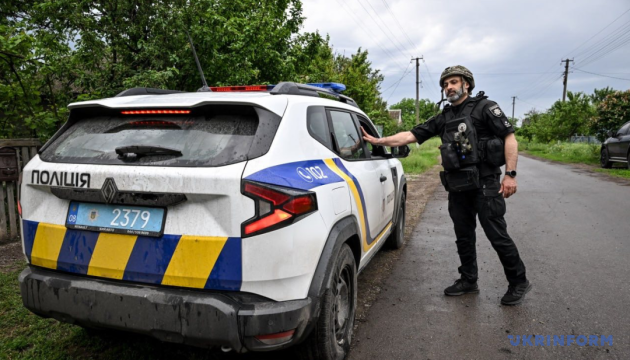
In the Donetsk region of Ukraine, 512 individuals who are single and have limited mobility have refused to evacuate to safer areas. These residents are currently located within the Ukrainian-controlled territory of the region. The decision by these vulnerable individuals to stay put presents a significant challenge for authorities aiming to ensure civilian safety amidst ongoing conflict. The regional military administration has highlighted this situation, indicating a complex dynamic between safety directives and personal autonomy. The refusal underscores the difficulties in implementing large-scale evacuations, particularly for those with specific needs and strong ties to their homes. Further efforts may be required to address the concerns and motivations behind their decision to remain.
The refusal of over 500 vulnerable individuals to evacuate in Donetsk highlights a critical tension between state-mandated safety measures and individual agency, particularly for those with limited mobility. This situation presents a complex challenge for regional authorities, who must balance the imperative to protect citizens with respecting their right to remain. Understanding the underlying factors driving this refusal—such as attachment to home, distrust of evacuation processes, or perceived lack of safety in alternative locations—is crucial for developing more effective and humane civilian protection strategies. Future approaches may need to incorporate more personalized support and communication to address the specific needs and concerns of these residents, ensuring that safety protocols are not only enforced but also acceptable and sustainable for the affected population.
AI-generated to prompt reflection — not editorial opinion, not advice, not a statement of fact. How this works.