Over 60% of flu patients in Mogi das Cruzes were unvaccinated
Between May 15 and July 7, Mogi das Cruzes recorded 29,593 medical consultations for suspected flu and severe acute respiratory syndrome (SRAG). Alarmingly, 68.95% of these patients, totaling 20,407 individuals, had not received the flu vaccine. Only 8,072 patients (27.27%) had been vaccinated, with the vaccination status of the remainder not reported. This situation is particularly concerning as it coincides with the peak season for respiratory virus circulation. The municipal health authorities emphasized that vaccination significantly reduces the risk of developing severe illness, which often necessitates emergency care.
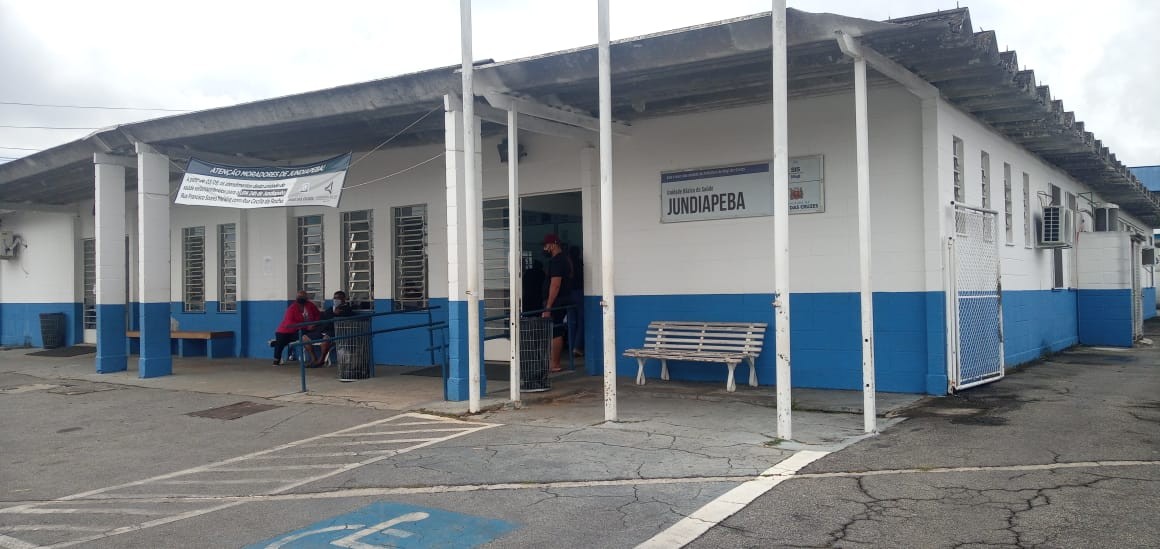
The municipality's vaccination coverage also falls short of the Ministry of Health's target. As of July 7, only 51.21% of the priority population had been immunized, far below the 90% goal. While the total number of doses administered, including to non-priority groups, reached 111,170 by that date, and the vaccine was made available to the general population, uptake remains insufficient. Jundiapeba district reported the highest number of flu-related consultations with 3,032 cases, where only 26.98% of patients were vaccinated. This is attributed partly to the district's large population and the presence of a 24-hour emergency unit that serves surrounding areas and other municipalities. Other high-consultation areas included Jardim Aeroporto and Jardim Universo.
Health officials highlighted that 77% of children hospitalized at the Municipal Hospital and 100% of those with severe influenza cases were unvaccinated, underscoring the vaccine's critical role in preventing severe outcomes. An infectologist explained that the vaccine protects against three specific virus strains and that immunity develops 12-14 days after vaccination. Even vaccinated individuals might contract a milder form of the flu, reinforcing the importance of widespread immunization, especially for vulnerable groups like children and the elderly.
The data from Mogi das Cruzes reveals a significant gap between the number of flu-related hospital visits and the uptake of available flu vaccines, particularly among those who ultimately developed severe symptoms or required hospitalization. This suggests a potential disconnect in public health messaging, accessibility, or individual risk perception regarding influenza vaccination. While the municipality has implemented strategies to increase vaccination rates, such as opening access to all age groups and utilizing various outreach methods, the persistent low coverage, especially in areas with high patient volumes, indicates underlying systemic challenges. Future public health initiatives might benefit from analyzing behavioral economics and communication strategies to better address vaccine hesitancy and ensure that the benefits of vaccination, particularly in preventing severe disease and reducing healthcare system strain, are clearly understood and acted upon by the broader population.
AI-generated to prompt reflection — not editorial opinion, not advice, not a statement of fact. How this works.