Over 70% of Mato Grosso's Electorate is Black or Brown, TSE Data Shows
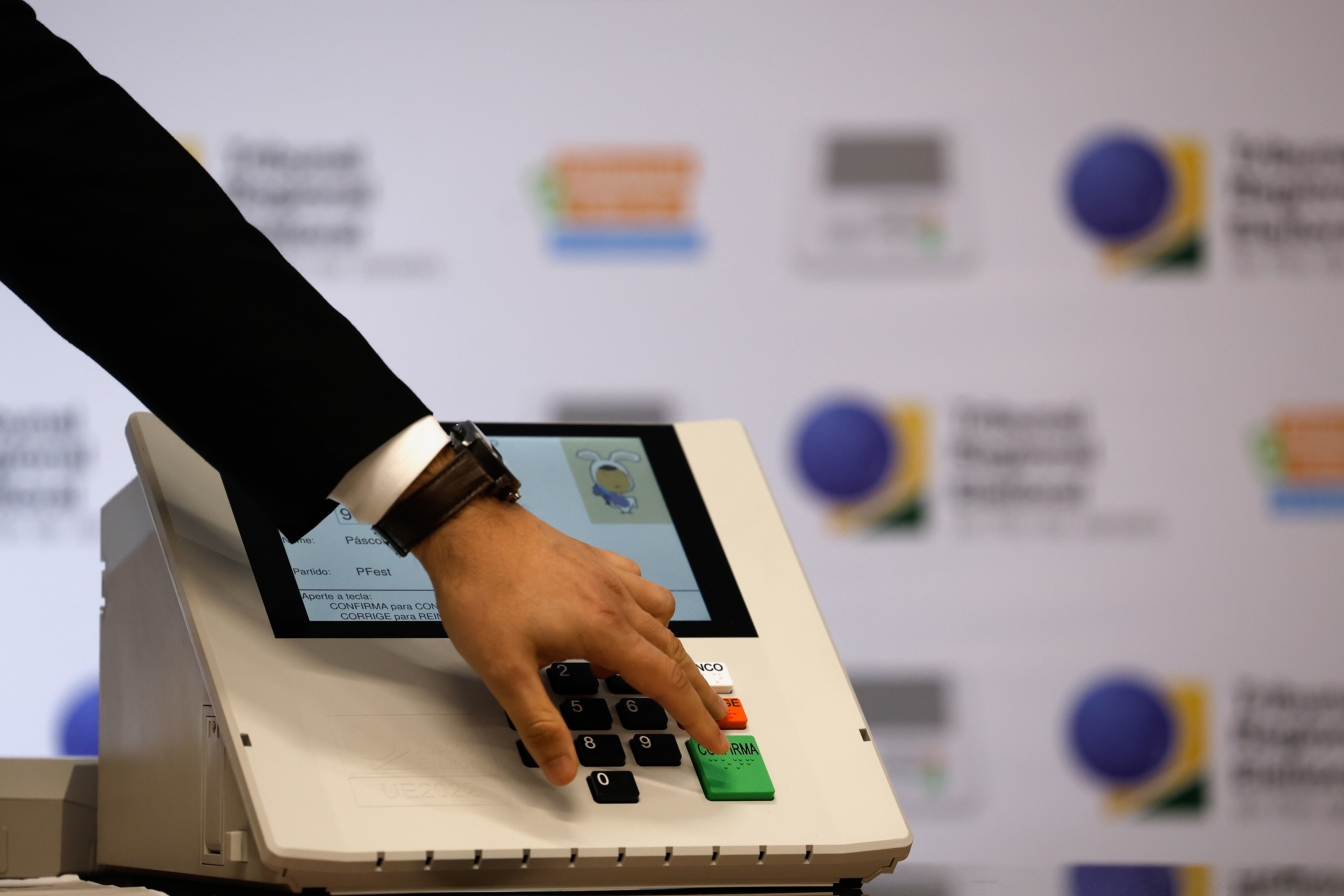
In Mato Grosso, individuals identifying as Black or Brown constitute over 70% of the state's electorate, according to data from the Superior Electoral Court (TSE). Specifically, 592,272 voters, or 59.85%, declared themselves as Brown, while 101,003 voters, or 10.21%, identified as Black. Together, these groups represent 693,275 voters, making up 70.06% of the total electorate in the state. White voters account for 268,726 individuals (27.16%), followed by Indigenous voters at 21,459 (2.17%), and Asian voters at 6,098 (0.62%).
This demographic majority among voters in Mato Grosso is the result of a long historical struggle for suffrage. For much of Brazil's history, voting rights were restricted by criteria such as income, gender, and literacy. Alexandra de Moura Nogueira, a lawyer and member of the Mato Grosso Black Women's Forum and the OAB-MT, noted that Brazil's first constitution in 1824 established an indirect and property-based electoral system, limiting voting to a small segment of the population, primarily free men meeting age and income requirements. The Saraiva Law of 1881 further restricted suffrage by introducing voter registration and prohibiting illiterate individuals from voting, disproportionately affecting the Black population due to limited access to education. Even after the abolition of slavery in 1888, the lack of reparations, persistent racism, and barriers to education, land, and employment continued to hinder the political participation of the Black population for many years.
The data from Mato Grosso highlights a significant demographic shift in electoral participation, where historically marginalized groups now form the majority of voters. This underscores the long-term impact of historical disenfranchisement and the subsequent, often slow, expansion of suffrage. Examining the trajectory from early restrictive electoral laws, such as those based on income and literacy, reveals how systemic barriers disproportionately excluded Black and Brown populations. The analysis of these historical legal frameworks and their social consequences is crucial for understanding contemporary political representation and the ongoing need for inclusive policies. Understanding these dynamics can inform future strategies aimed at ensuring equitable participation and addressing persistent inequalities in the political sphere, considering the evolving landscape of digital access and information dissemination in the coming decade.
AI-generated to prompt reflection — not editorial opinion, not advice, not a statement of fact. How this works.
