Over 750 Santarém Families Risk Losing Bolsa Família Benefits
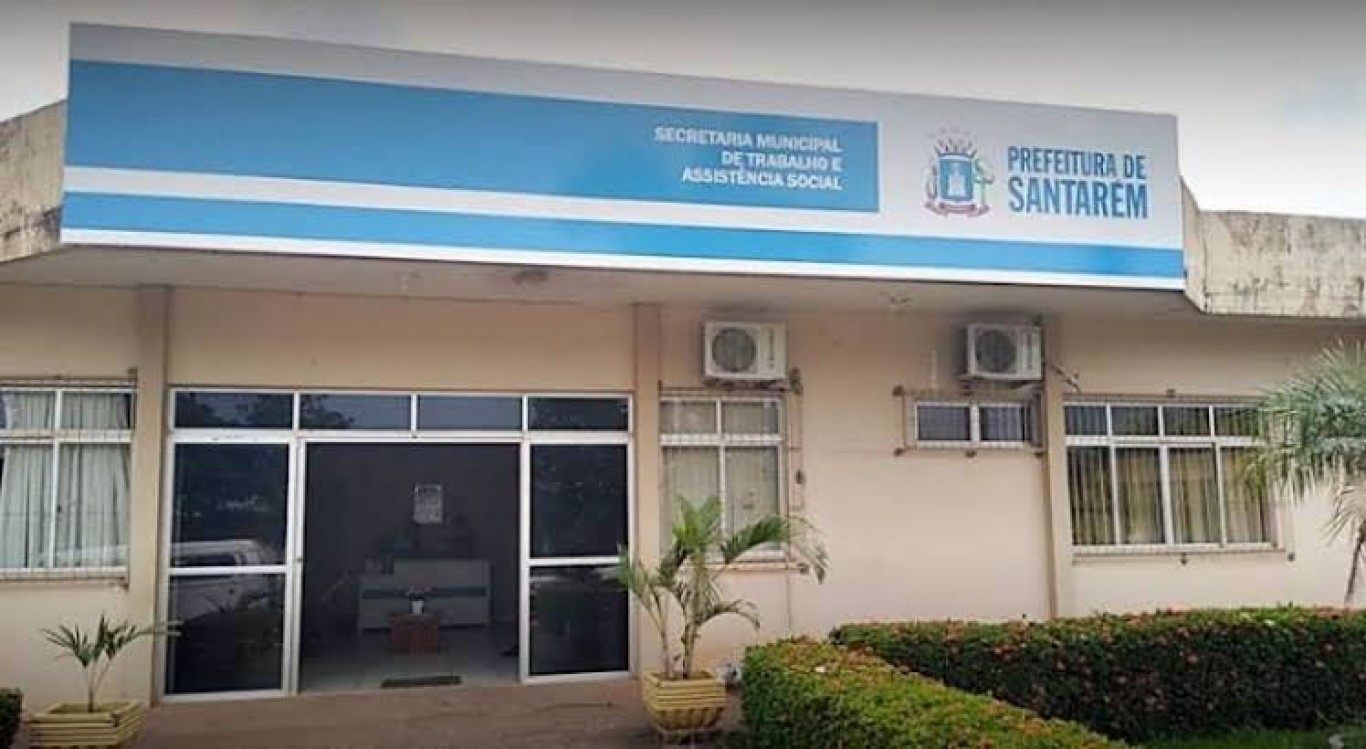
More than 750 families in Santarém, western Pará, Brazil, are at risk of having their Bolsa Família benefits blocked, suspended, or canceled due to non-compliance with program rules. The Municipal Secretariat of Labor and Social Assistance (Semtras) is urging beneficiaries to seek assistance and file appeals within the deadline to avoid losing this essential support. Santarém currently has 45,426 families receiving Bolsa Família. According to the July report from the Bolsa Família Conditionalities System (Sicon), 758 families are not meeting the federal government's requirements. Approximately half of these families reside in riverside communities, including those along rivers, Lago Grande, floodplains, and plateaus, areas where access to public services is more challenging. These families must regularize their situation to prevent sanctions that could directly impact their income. Leiliane Campos, a social worker for the Bolsa Família program in Santarém, explained that administrative appeals are the primary opportunity for families to justify non-compliance. Failure to provide justification leads to a series of penalties, starting with an alert, then potential blocking, suspension, and ultimately cancellation by the Ministry of Development and Social Assistance, Family and Combating Hunger (MDS). The Bolsa Família program mandates that families meet commitments in health and education. These include prenatal care for pregnant women, up-to-date vaccinations, nutritional monitoring for children under seven, and minimum school attendance of 60% for children aged 4-5 and 75% for students aged 6-18 not yet finished with basic education. Municipal Secretary Sílvia Freitas emphasized Semtras's goal to prevent families from losing benefits due to a lack of information, especially those in remote areas. Families on the pending list are advised to visit the Bolsa Família program's service points with personal documents to verify their status and, if necessary, submit an administrative appeal within the established timeframe.
This situation highlights the critical challenge of ensuring program beneficiaries in geographically dispersed and potentially underserved areas are adequately informed about and able to meet conditional requirements for social assistance. The communication gap, particularly for families in riverside communities with limited access to public services, presents a systemic vulnerability. While the program's intent is to promote health and education, the administrative burden and potential for sanctions without sufficient outreach can inadvertently penalize vulnerable populations. Future iterations of such programs may benefit from exploring more accessible communication channels and proactive support mechanisms tailored to diverse logistical challenges, ensuring that the conditionalities serve as genuine incentives for well-being rather than insurmountable barriers to essential income support.
AI-generated to prompt reflection — not editorial opinion, not advice, not a statement of fact. How this works.