Over 9,000 Hospitalized in Japan Due to Heatstroke
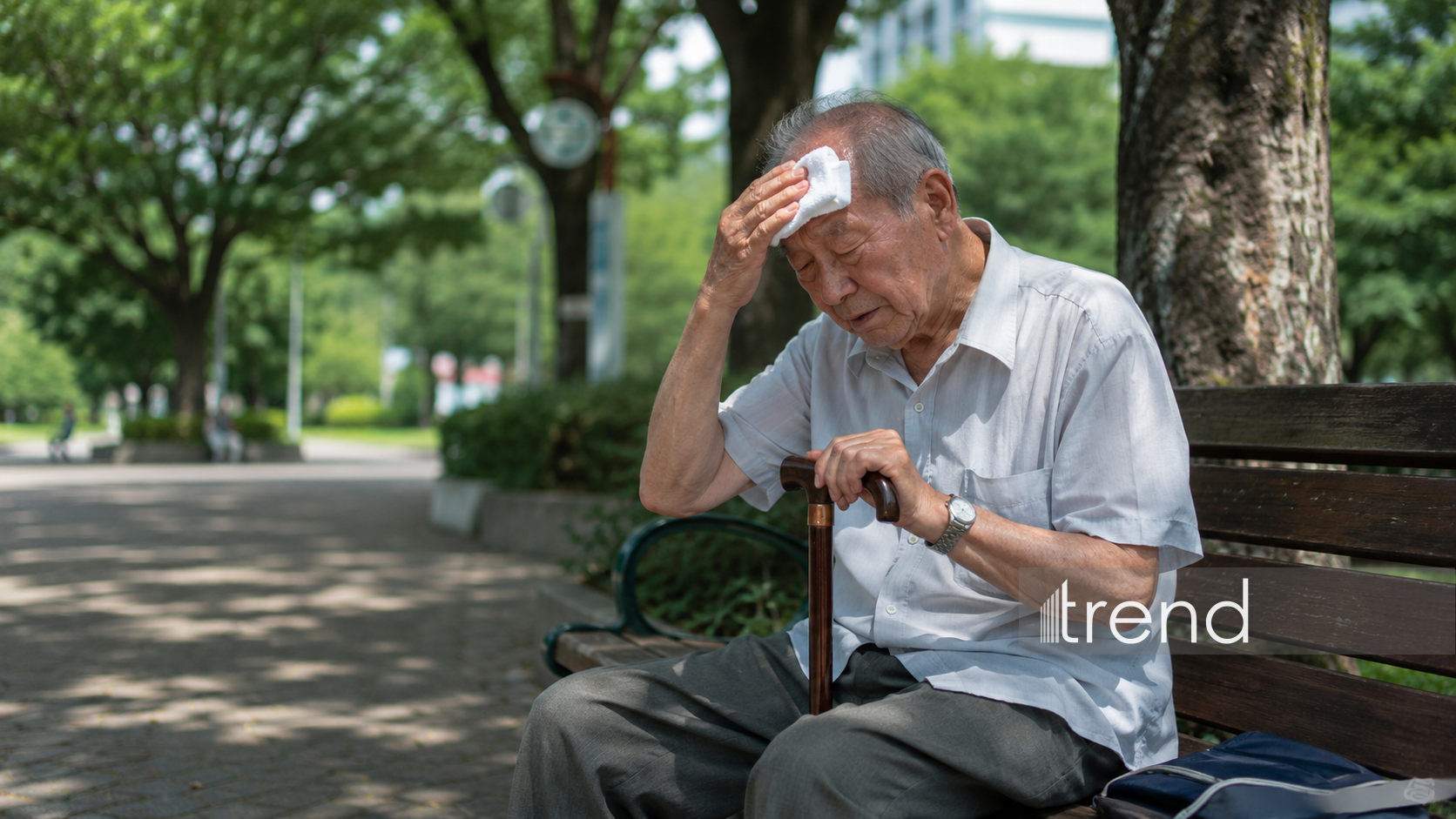
In Japan, a significant number of people have been hospitalized due to heatstroke, with the total exceeding 9,000. This alarming figure highlights the severe impact of the ongoing heatwaves affecting the country. The Ministry of Health, Labour and Welfare reported that as of July 23rd, a total of 9,003 individuals had been admitted to hospitals across Japan for heat-related illnesses.
The majority of those hospitalized, specifically 4,037 people, were aged 65 or older. This demographic appears to be particularly vulnerable to the extreme temperatures. Among the hospitalized elderly, 1,801 were taken to hospitals by ambulance, indicating the severity of their condition upon seeking medical attention. The data also revealed that 3,438 individuals required hospitalization for more than three days, suggesting prolonged and serious health consequences.
Out of the total hospitalized, 131 individuals were diagnosed with severe conditions, and tragically, 15 people have died due to heatstroke. The government has urged citizens to take necessary precautions to prevent heatstroke, emphasizing the importance of staying hydrated and avoiding direct sunlight during peak hours. The Ministry is continuing to monitor the situation closely and provide necessary support to affected regions.
The high number of hospitalizations and fatalities in Japan due to heatstroke underscores the critical public health challenge posed by rising global temperatures. This event reflects a systemic vulnerability to extreme weather events, particularly among the elderly population, which requires enhanced public health infrastructure and proactive community support systems. Future preparedness will likely involve more robust early warning systems, accessible cooling centers, and targeted public awareness campaigns that adapt to the increasing frequency and intensity of heatwaves, driven by climate change. The strain on healthcare resources during these periods also necessitates long-term planning for surge capacity and preventative health measures.
AI-generated to prompt reflection — not editorial opinion, not advice, not a statement of fact. How this works.
