Overcrowded Ebola Units Fuel Congo Outbreak, Hindering Control Efforts
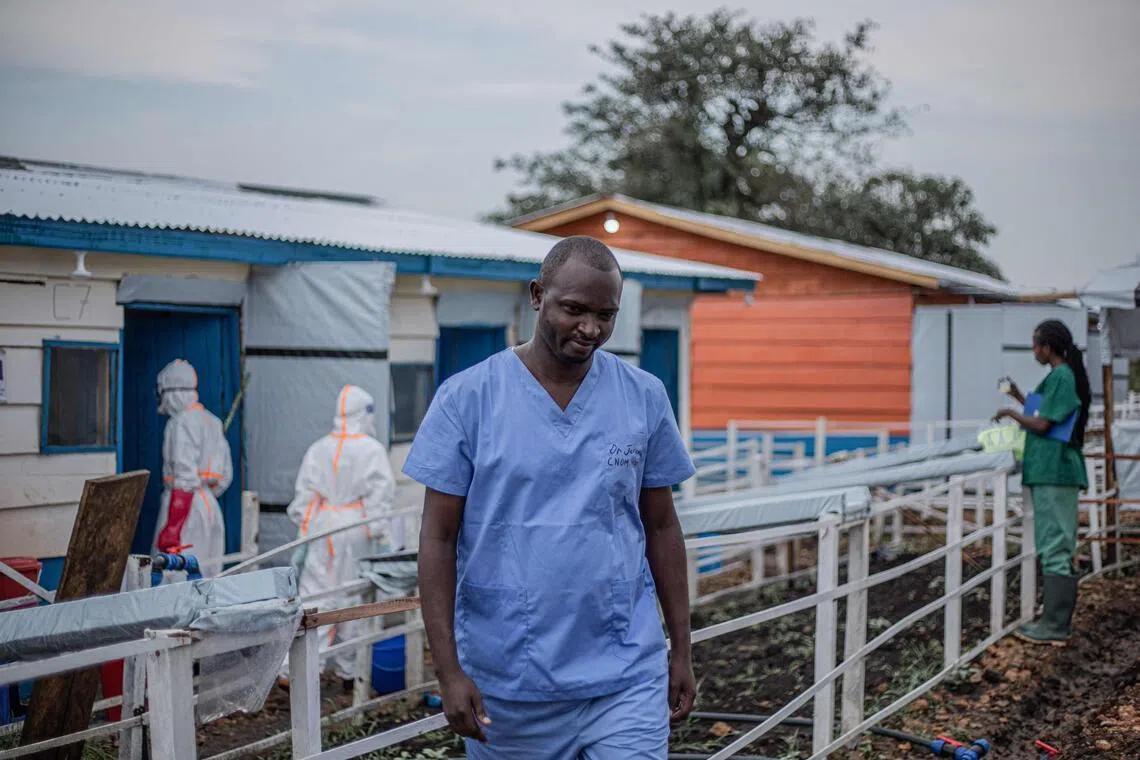
Overcrowded Ebola treatment units in the Democratic Republic of Congo are contributing to the difficulty in controlling the ongoing outbreak. These crowded conditions allow infected individuals to remain in their communities for longer periods, increasing the risk of transmission. This situation highlights a critical challenge in managing the epidemic, as it impedes effective containment strategies. The prolonged presence of infectious individuals within the general population provides more opportunities for the virus to spread to susceptible individuals. Addressing the overcrowding in treatment facilities is therefore crucial for implementing more robust control measures. The current approach, hampered by these logistical issues, is proving insufficient to rapidly halt the virus's progression. Understanding the dynamics of how infected people interact with their communities while awaiting or undergoing treatment is key to developing more effective interventions. The outbreak's persistence underscores the need for improved infrastructure and resources dedicated to Ebola response in the region. These factors are essential for isolating cases and preventing further community spread.
The current management of the Ebola outbreak in the Democratic Republic of Congo appears to be facing systemic challenges related to the capacity and accessibility of treatment facilities. Overcrowding suggests a potential mismatch between the number of cases and the available resources, which can inadvertently create conditions conducive to further transmission. This situation warrants an examination of the logistical and infrastructural support for epidemic response, considering how such bottlenecks might be proactively addressed in future public health crises. From a public health perspective, ensuring timely isolation and care is paramount to breaking transmission chains. The long-term implications of such outbreaks, especially in densely populated areas, necessitate investment in resilient healthcare systems capable of rapid scaling during emergencies. Future strategies should focus on decentralized care models and robust community engagement to mitigate the risks associated with concentrated treatment centers.
AI-generated to prompt reflection — not editorial opinion, not advice, not a statement of fact. How this works.