Overharvesting of Himalayan Herbs Threatens Mountain Communities' Livelihoods
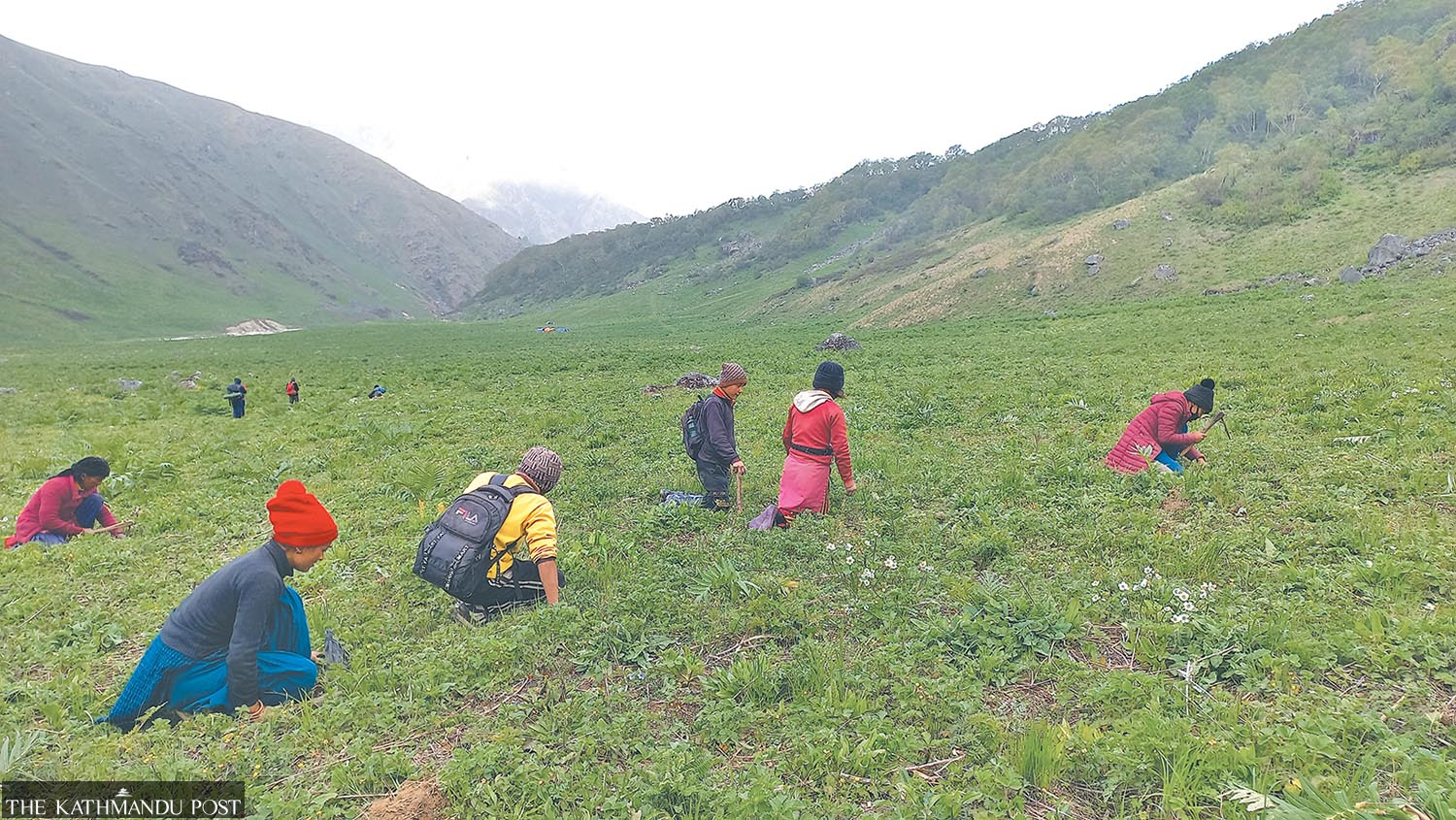
Mountain communities in the Himalayas are facing an existential crisis as the overharvesting of medicinal herbs, particularly yarsagumba, has severely depleted alpine stocks. These high-altitude settlements, once reliant on the abundance of these natural resources for their livelihoods, are now on the brink of economic collapse. The indiscriminate harvesting practices have led to a rapid decline in the availability of these valuable plants, jeopardizing the traditional way of life for many families. The long-term sustainability of these communities is now in question as the herbal wealth that supported them for generations is unravelling. Urgent conservation efforts and sustainable harvesting strategies are needed to prevent further ecological damage and economic hardship.
The depletion of Himalayan herbal resources highlights a critical tension between immediate economic needs and long-term ecological sustainability. The current harvesting model, driven by demand for medicinal herbs like yarsagumba, appears to prioritize short-term gains over the regenerative capacity of the alpine ecosystem. This situation may indicate a need for improved governance structures around resource extraction in ecologically sensitive regions, potentially involving community-based management plans, scientific monitoring of stock levels, and the exploration of alternative livelihood opportunities. Without a shift towards sustainable practices, the economic and social fabric of these mountain communities faces increasing fragility in the coming decade, particularly as climate change may further stress these delicate environments.
AI-generated to prompt reflection — not editorial opinion, not advice, not a statement of fact. How this works.