Owner Rescues Furniture Before House Swept Away by Rio Grande do Sul River
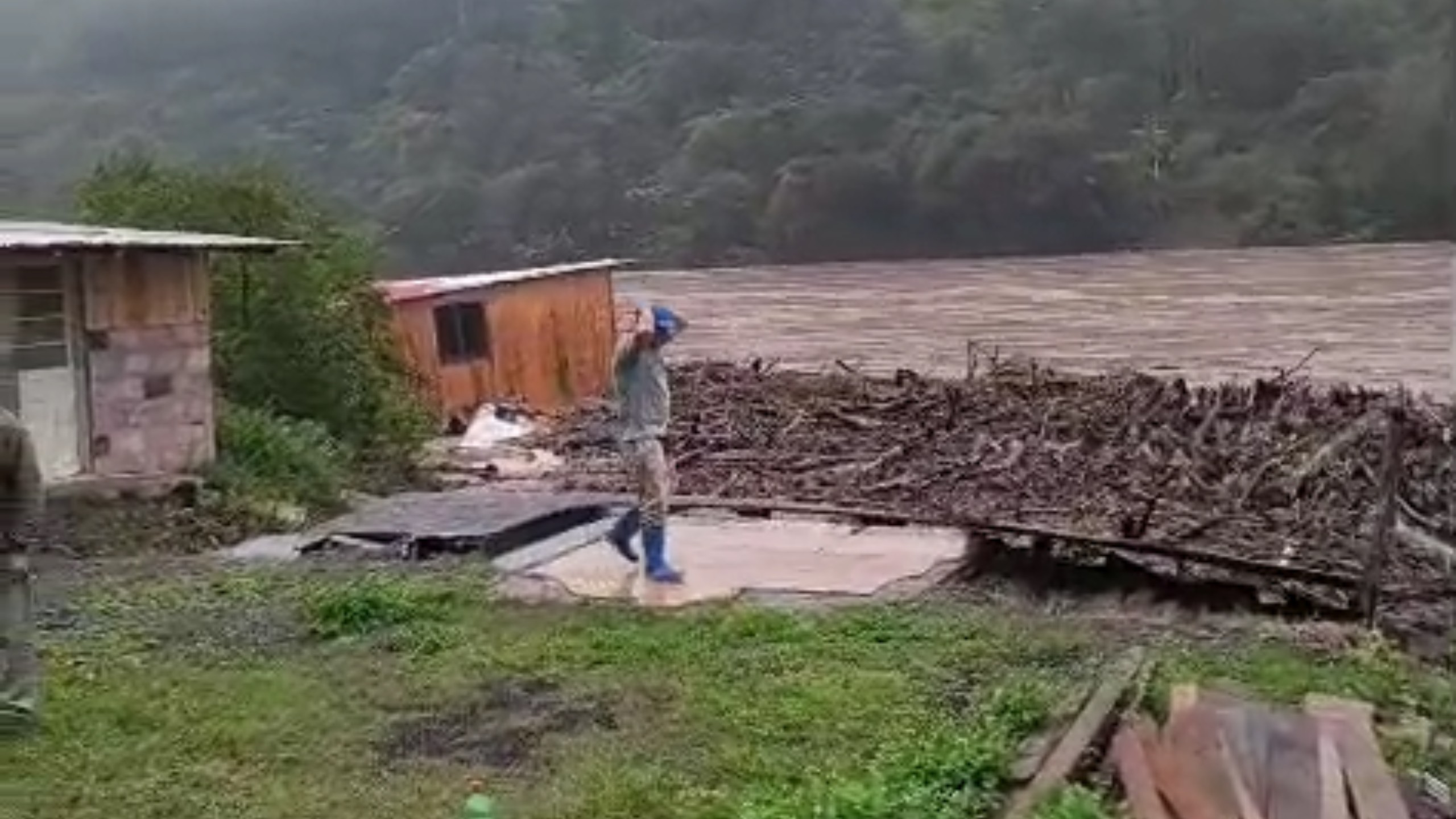
A 58-year-old man, Moisés Pedroso, managed to retrieve furniture from his leisure home in Bento Gonçalves, Rio Grande do Sul, just minutes before it was carried away by the Rio das Antas river on Wednesday, May 22nd. Pedroso, a public servant, was helping neighbors rescue belongings when he noticed the rising river level and decided to evacuate his own property. Debris from the floodwaters struck the house, causing it to collapse and be swept downstream. The structure traveled nearly 30 km from Linha Alcântara, through the Rio Taquari, and was last seen in Santa Tereza. Fortunately, no injuries were reported. Although the house was not his primary residence, Pedroso used it for weekend leisure with his wife, two daughters, and friends, and had planned a birthday party there for September. He expressed sadness over the loss but maintained an optimistic outlook, emphasizing relief that no lives were lost. Pedroso noted that material possessions can be replaced, but lives cannot. This is not the first time he has experienced property loss due to weather events; he previously lost structures at another leisure property on the Rio Carreiro due to three separate floods over a decade. He is still paying for the current property, which he purchased after a bridge to his previous location collapsed.
This event highlights the vulnerability of property located in flood-prone areas, particularly in regions experiencing increasingly severe weather events. The owner's personal resilience in the face of repeated losses underscores a human capacity to adapt, yet it also points to systemic challenges in land-use planning and infrastructure development in disaster-prone zones. The repeated destruction of property suggests that previous mitigation efforts or relocation decisions may have been insufficient, necessitating a broader review of risk assessment and building regulations. Future planning must consider the long-term impacts of climate change on hydrological systems and prioritize community safety and sustainable development over short-term economic or recreational gains in high-risk environments.
AI-generated to prompt reflection — not editorial opinion, not advice, not a statement of fact. How this works.