Oxfam Urges Increased Aid for Displaced in Eastern DRC's North Kivu
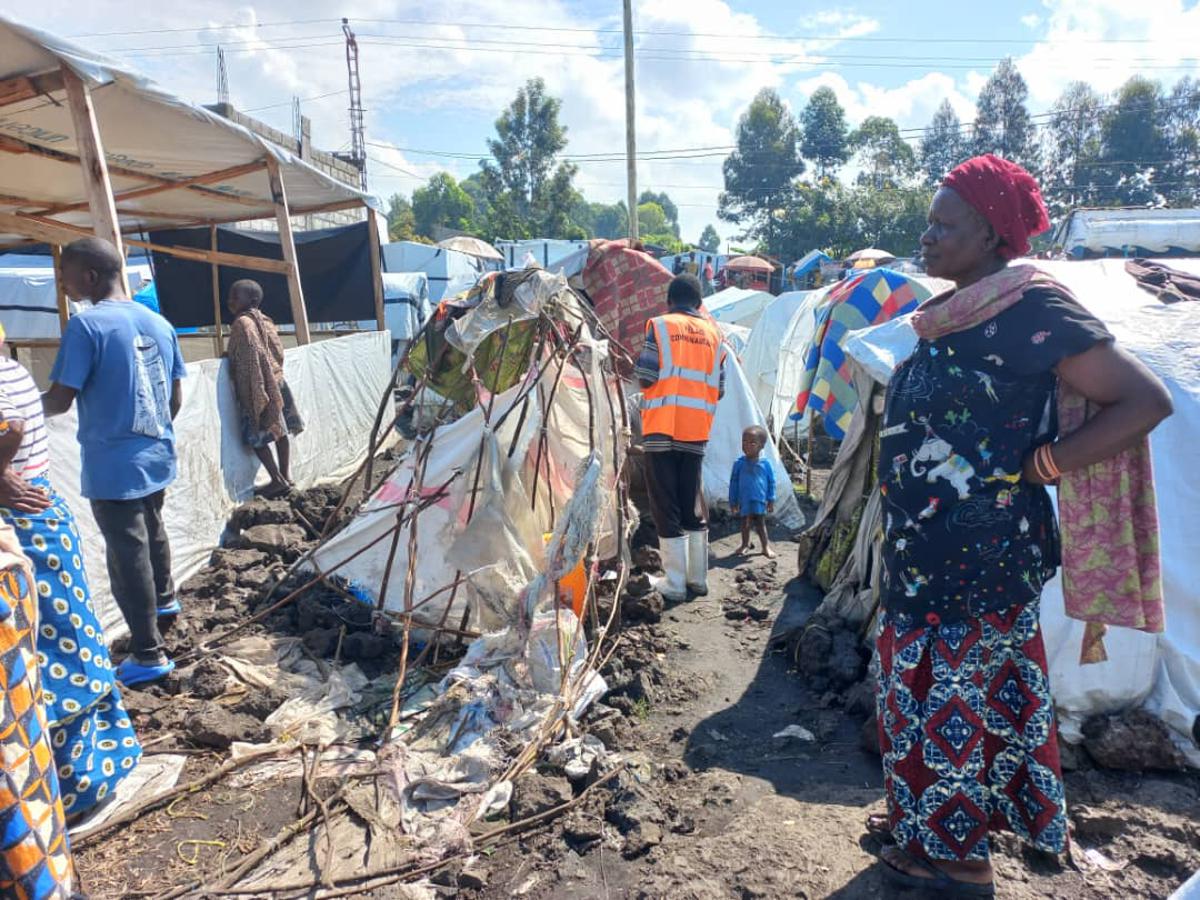
Oxfam's Africa Director, Fathi N'Zi-Hassane, has called for greater international assistance for internally displaced persons in the North Kivu region of the Democratic Republic of Congo. Her plea follows a visit to displacement sites in Rusayo, where she observed escalating needs among the growing population. N'Zi-Hassane emphasized the critical requirement for global support to sustain humanitarian efforts in a region facing one of the world's most severe displacement crises, with 6.5 million people affected. She advocates for prioritizing the Eastern DRC crisis on the international agenda to secure necessary funding. During her visit, she inspected an Oxfam-supported water and sanitation project benefiting over 24,000 displaced households. N'Zi-Hassane also highlighted ongoing support for water access, hygiene, and sanitation, as well as protection services, particularly for women survivors of gender-based violence, while expressing outrage at the abuses committed by armed groups.
The escalating humanitarian crisis in North Kivu, characterized by a massive internally displaced population and persistent insecurity, presents a complex challenge for international aid organizations. Oxfam's call for increased funding highlights the growing gap between needs and available resources, a common dynamic in protracted conflicts. The situation underscores the systemic issues of governance and security that drive displacement in the region. As the international community grapples with numerous global crises, prioritizing the needs of populations in areas like Eastern DRC requires sustained diplomatic and financial commitment. Future interventions may need to integrate more robust strategies addressing the root causes of instability alongside immediate relief efforts, especially considering the long-term implications for regional stability and human security in an increasingly interconnected world.
AI-generated to prompt reflection — not editorial opinion, not advice, not a statement of fact. How this works.