Ozempic Culture: The Obsession with Beauty and Youth Influences Media and Literature
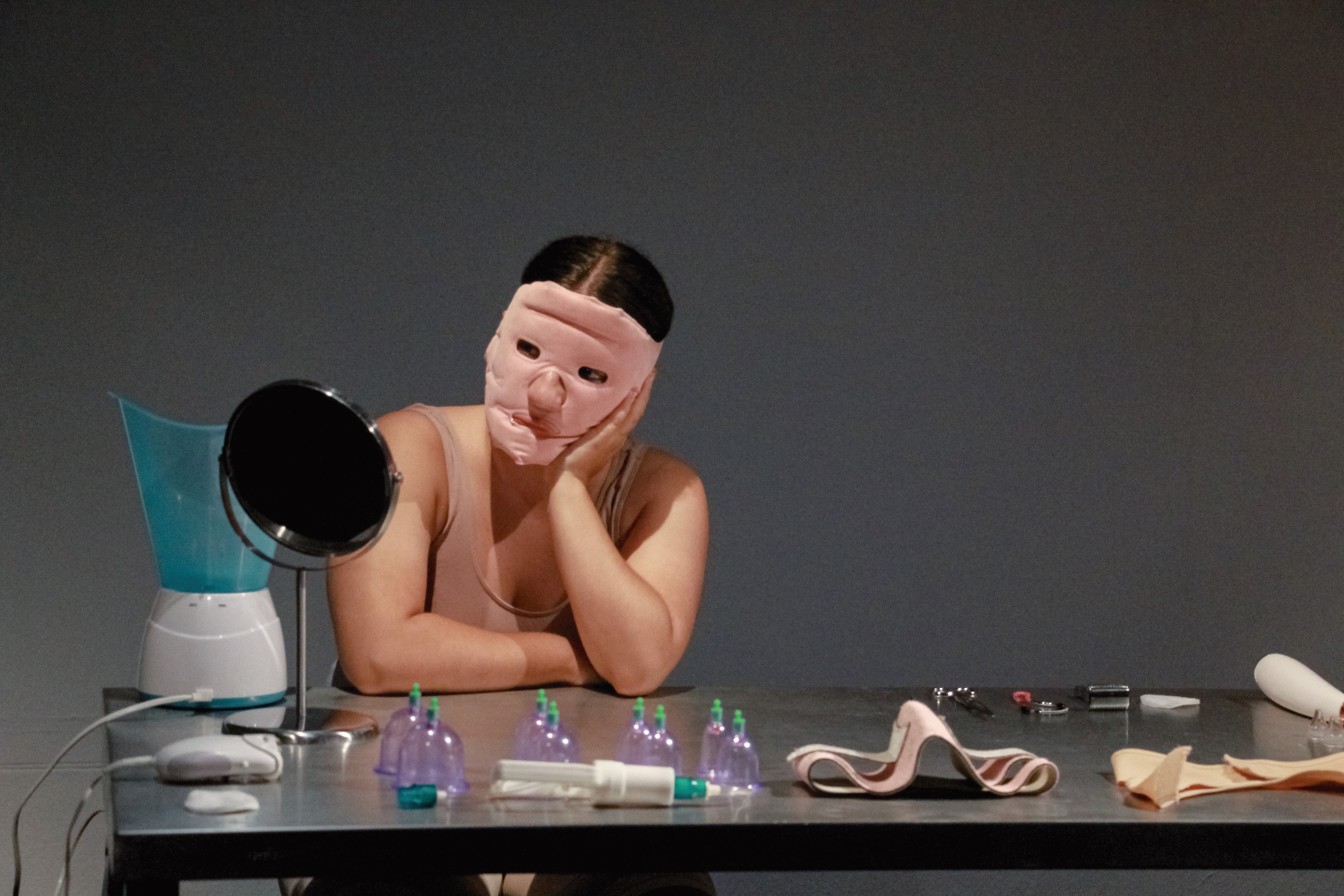
The pursuit of beauty and youth, fueled by weight-loss drugs and anti-aging treatments, is increasingly influencing contemporary culture. This trend is now manifesting across various media, including cinema, television series, and literature. New fictional works are emerging that depict a society deeply anxious about body fat, the aging process, and any deviation from perceived physical norms. These narratives reflect a broader cultural preoccupation with maintaining a youthful appearance and a slim physique, often at the expense of diverse body types. The influence of medications like Ozempic, originally developed for diabetes but widely adopted for weight loss, along with a burgeoning anti-aging industry, is shaping these artistic expressions. The media's portrayal of these themes highlights societal pressures and the lengths to which individuals may go to conform to idealized standards of beauty and youth. This cultural phenomenon underscores a growing societal focus on appearance and the potential psychological impact of these pressures.
The rise of 'Ozempic culture' signals a societal shift where pharmaceutical interventions and advanced treatments are becoming central to achieving idealized beauty and youth standards. This phenomenon highlights the powerful interplay between medical innovation, market demand, and cultural norms, particularly concerning body image and aging. The media's embrace of these themes reflects and amplifies existing societal anxieties, potentially creating a feedback loop that further normalizes the pursuit of artificial perfection. Looking ahead, this trend raises questions about long-term health implications, equitable access to such treatments, and the ethical considerations of promoting specific body types. It also prompts reflection on whether this focus on external appearance distracts from broader societal well-being and acceptance of natural human processes.
AI-generated to prompt reflection — not editorial opinion, not advice, not a statement of fact. How this works.