Ozempic's Influence Spills into Grocery Aisles: The Rise of 'GLP-1 Friendly' Foods
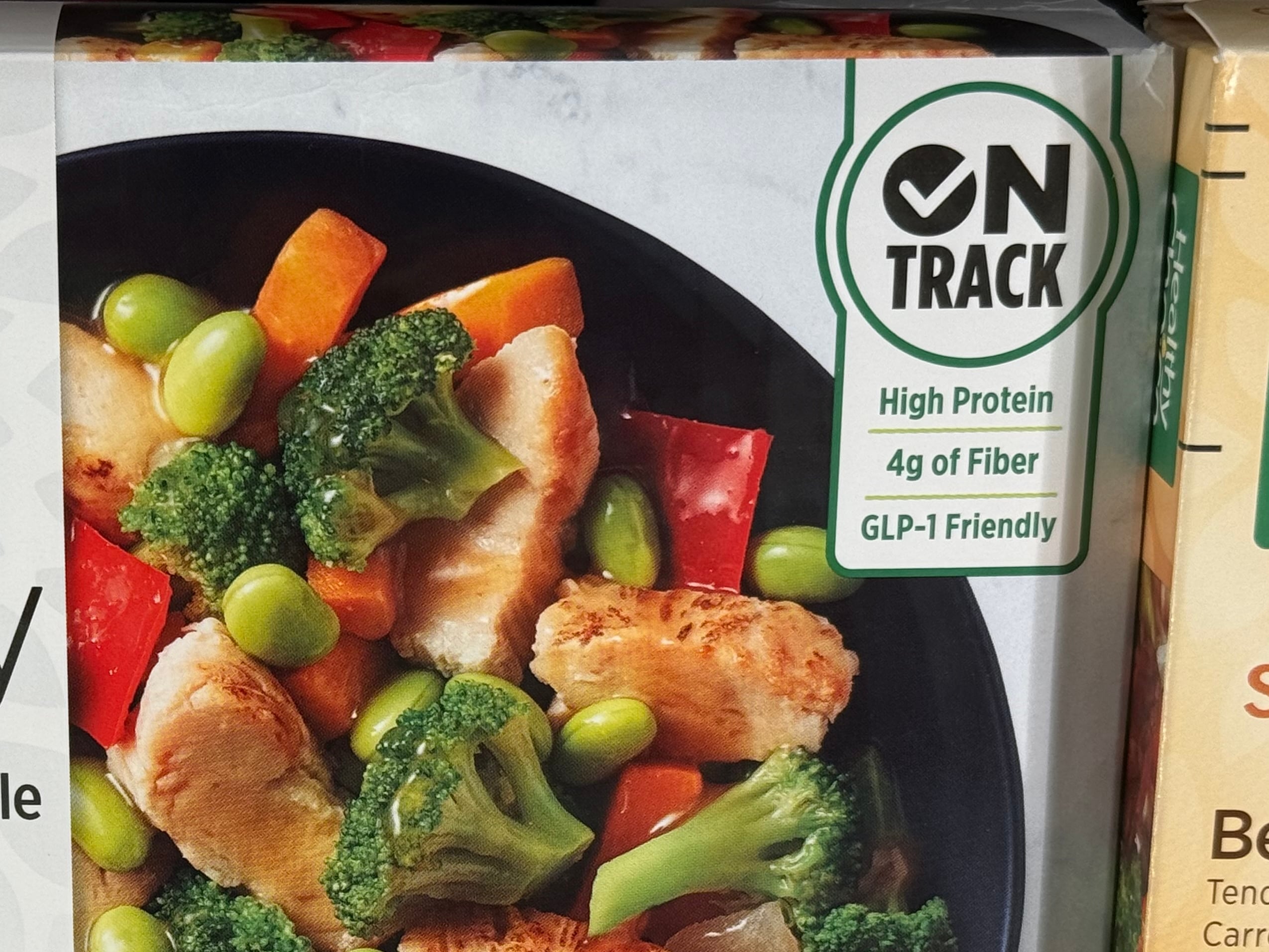
A new trend is emerging in the United States where the marketing and labeling of ordinary food products are being influenced by the growing popularity of weight-loss drugs like Ozempic. These medications, which belong to the GLP-1 class, are now shaping consumer choices and product development in the grocery sector. For the first time in history, a specific type of pharmaceutical is directly impacting how everyday foods are presented to the public. This phenomenon has led to the creation of a new category of edibles marketed as 'GLP-1 friendly.' The surge in demand for these specialized food items reflects the widespread adoption of these weight-loss medications. As more individuals turn to GLP-1 drugs for weight management, the food industry is responding by adapting its strategies. This includes developing new products and adjusting existing ones to cater to the dietary needs and preferences of users taking these medications. The trend signifies a significant shift in the relationship between pharmaceuticals and the food market, where medical treatments are now directly influencing food marketing and labeling practices.
The emergence of 'GLP-1 friendly' foods illustrates a powerful feedback loop between pharmaceutical innovation and consumer goods markets. As GLP-1 agonists gain widespread adoption for weight management, their physiological effects, such as appetite suppression, are creating new market demands. Food manufacturers are responding by aligning product attributes and marketing messages with the perceived needs of this growing consumer segment. This dynamic highlights how medical advancements can rapidly reshape consumer behavior and industry practices. Looking ahead, this trend may signal a broader shift towards personalized nutrition, driven by pharmacological interventions and the data they generate. The challenge for consumers and regulators will be to ensure transparency and prevent misleading claims as the market adapts to these novel intersections of health and commerce.
AI-generated to prompt reflection — not editorial opinion, not advice, not a statement of fact. How this works.