Ozempic, Wegovy Dosing Errors Surge Calls to Poison Control Centers
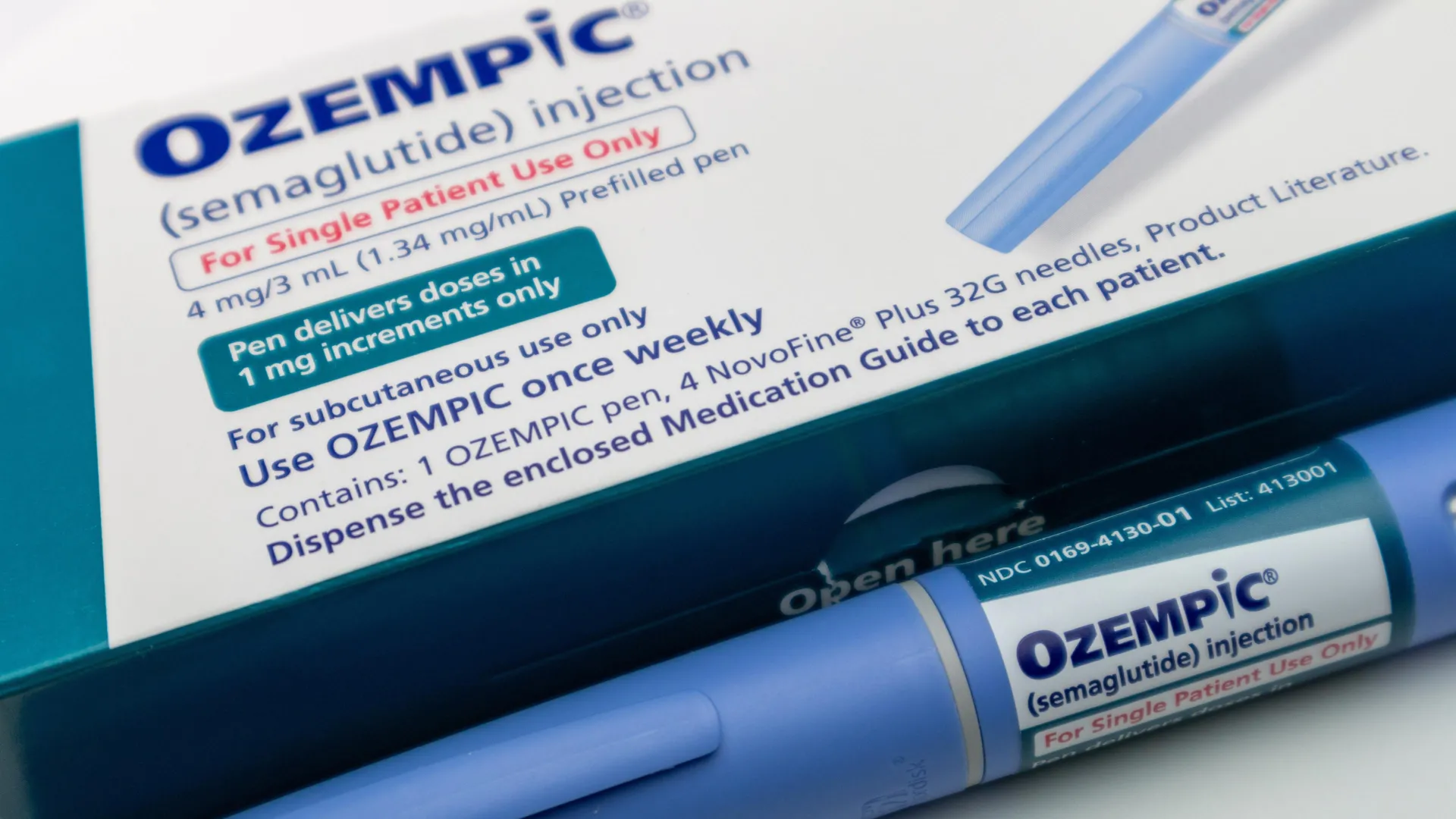
Poison control centers have experienced a significant rise in calls related to semaglutide, the active ingredient in popular drugs Ozempic and Wegovy. This increase in calls, particularly after the drug's approval for weight management, has been linked by researchers to accidental dosing mistakes. These errors appear to stem from patients not adhering to the correct weekly dosage schedule or increasing their dose too rapidly. The findings suggest that a lack of clear patient education on proper administration is a primary driver of these incidents. Experts believe that providing simple, straightforward guidance on the correct weekly dosing and the importance of gradual dose escalation could effectively prevent a large number of these avoidable calls. The research highlights a potential gap in patient understanding and adherence regarding the use of these widely prescribed medications.
The surge in poison control calls related to semaglutide products like Ozempic and Wegovy underscores a critical challenge in pharmaceutical adherence, particularly with novel therapies targeting chronic conditions. While the immediate concern is patient safety and preventing accidental overdosing, the underlying issue points to the need for enhanced patient education strategies. As these medications become more prevalent for weight management, pharmaceutical companies and healthcare providers must collaborate to ensure clear, accessible instructions are provided. Future drug development and rollout strategies should proactively incorporate robust patient onboarding and support systems to mitigate similar adherence-related incidents, fostering greater public trust and therapeutic efficacy in the long term.
AI-generated to prompt reflection — not editorial opinion, not advice, not a statement of fact. How this works.