Ozivy: Brazil's New Semaglutide Drug for Type 2 Diabetes and Obesity
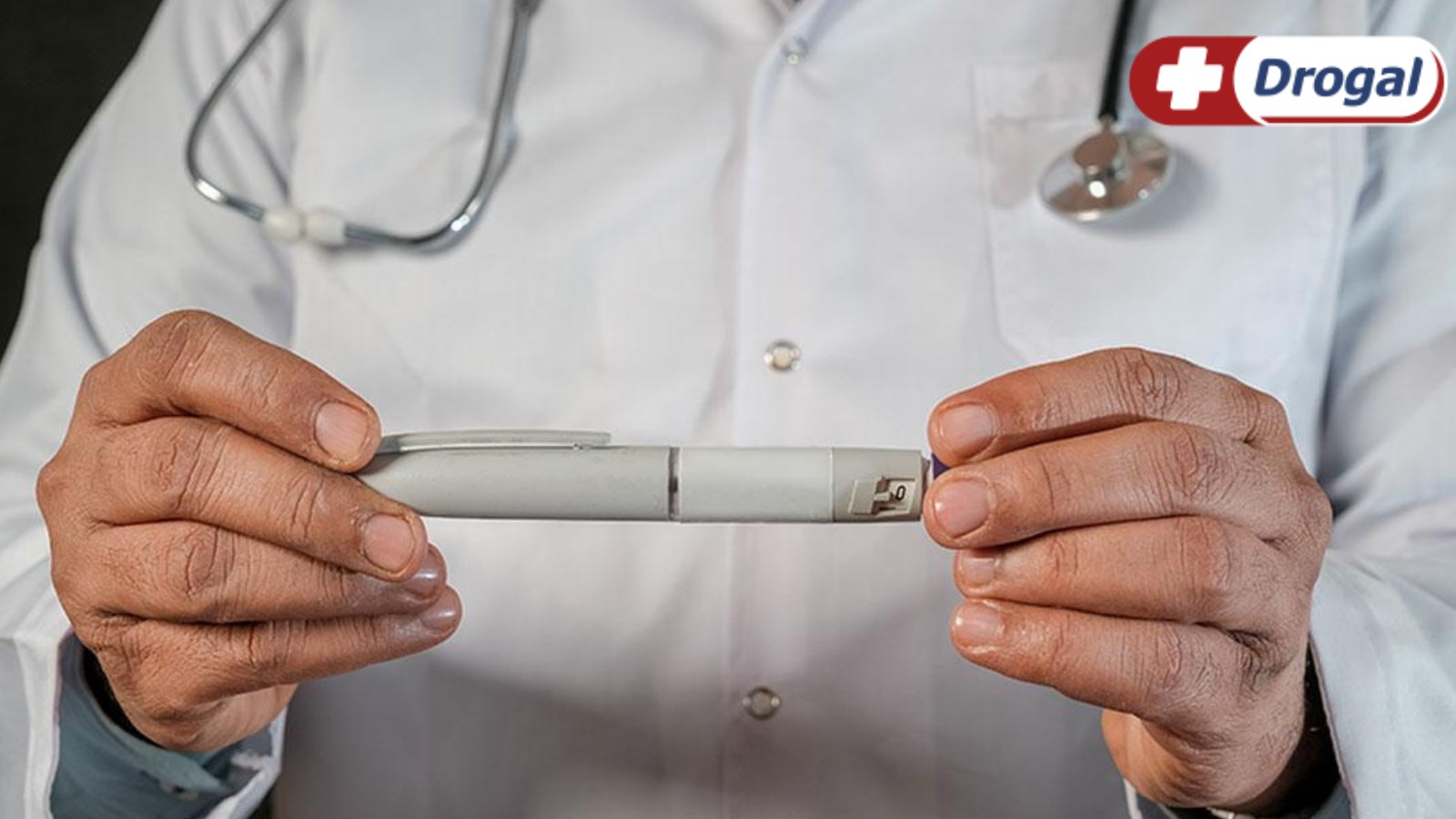
Brazil has introduced Ozivy, a new semaglutide-based treatment produced by EMS, now available in pharmacies for patients with type 2 diabetes. This national option raises questions about its differences from tirzepatide, another popular drug for both diabetes and obesity, conditions that are rapidly increasing in Brazil. Semaglutide targets the GLP-1 hormone, while tirzepatide acts on both GLP-1 and GIP hormones, potentially leading to greater weight loss. Clinical studies suggest tirzepatide can result in a higher percentage of weight loss compared to semaglutide, though factors like tolerance, cost, and medical advice are crucial for treatment selection. Both medications mimic natural hormones released after meals, stimulating insulin, reducing appetite, and slowing gastric emptying to manage glucose levels and promote satiety. Common side effects for both include nausea, diarrhea, vomiting, and constipation, often manageable with dose adjustments. Ozivy is the first synthetic semaglutide medication approved by Anvisa in Brazil, manufactured through chemical synthesis, unlike traditional biological drugs. A key practical difference is Ozivy's requirement for refrigeration (2°C-8°C) both before and after use, whereas Ozempic can be stored below 30°C for up to six weeks after initial use. Anvisa classifies Ozivy as a new medication, not a biosimilar or generic, meaning it is not automatically interchangeable with Ozempic; a doctor's prescription is necessary. The rise in diabetes and obesity in Brazil is significant, with adult diabetes increasing by 135% and obesity by 118% between 2006 and 2024. Over 16 million Brazilians live with diabetes, predominantly type 2, which is strongly linked to weight gain and lifestyle factors. The high prevalence of obesity among diabetic patients highlights the need for treatments addressing both conditions simultaneously. Both semaglutide and tirzepatide are prescription-only medications that must be initiated under medical supervision, starting with low doses to allow the body to adapt and avoid severe side effects like intense nausea and dehydration. An endocrinologist's guidance is essential for determining the most suitable treatment option based on individual medical history, safety, cost, and patient preference.
The introduction of Ozivy in Brazil signifies a growing domestic pharmaceutical capability in producing advanced therapeutic agents for prevalent chronic conditions like type 2 diabetes and obesity. The comparison between semaglutide and tirzepatide highlights a common trend in pharmaceutical innovation: the development of dual-action agonists offering potentially enhanced efficacy. This competition, spurred by patent expirations and domestic manufacturing initiatives, could lead to greater accessibility and potentially lower costs for patients, although careful consideration of storage requirements and non-interchangeability is crucial for safe patient use. As these conditions continue to rise, driven by complex socioeconomic factors, the market for such treatments will likely expand, necessitating ongoing research into long-term outcomes, comparative effectiveness across diverse populations, and strategies to mitigate side effects and ensure equitable access within Brazil's healthcare system.
AI-generated to prompt reflection — not editorial opinion, not advice, not a statement of fact. How this works.