Pécs National Theatre Cancels Play Amidst Media Scrutiny of Author
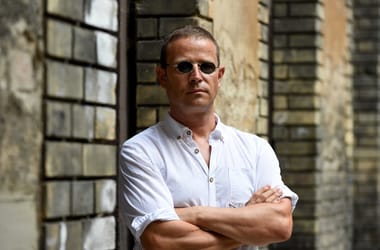
The Pécs National Theatre has canceled the planned spring premiere of "The Master and Margarita" by János Dénes Orbán. The decision was made because the theater wishes to prevent the significant media attention surrounding Orbán from distracting from the performance itself. Instead of Orbán's adaptation, the theater will stage Anton Chekhov's "The Seagull" next spring. This change indicates a strategic move by the theater to ensure the artistic integrity and focus of their productions. The theater aims to create an environment where the play can be appreciated on its own merits, free from external controversies. The original play, a well-known work, was intended to be a significant event in the theater's season. However, the surrounding press coverage necessitated a reevaluation of the programming. The decision highlights the challenges cultural institutions face when authors or their works become subjects of intense public and media debate. By opting for a different, less controversial play, the Pécs National Theatre is prioritizing a smooth and focused theatrical experience for its audience.
The Pécs National Theatre's decision to cancel a production due to the author's media profile reflects a growing tension between artistic presentation and public perception. This situation underscores the increasing influence of public discourse and media narratives on cultural programming, potentially leading institutions to prioritize controversy avoidance over artistic risk-taking. In an era where information spreads rapidly and public figures are under constant scrutiny, theaters may find themselves navigating complex reputational landscapes. This strategic pivot to a less contentious work, Chekhov's "The Seagull," suggests a pragmatic approach to audience engagement and operational stability, prioritizing a clear artistic focus. However, it also raises questions about the potential for such decisions to inadvertently stifle diverse artistic voices or create a chilling effect on creative expression when authors face intense external pressures.
AI-generated to prompt reflection — not editorial opinion, not advice, not a statement of fact. How this works.