Péter Magyar's Strategy Could Pose a Greater Crisis for Fidesz Than Expected
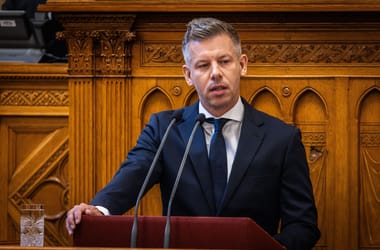
Péter Magyar is currently achieving significant success by using the previous government as a political punching bag. However, if this tactic ceases to be effective and Magyar adopts a more conciliatory tone, it could represent a fatal blow to Fidesz. This strategic shift, likened to an 'Angela Merkel-style turn,' suggests a potential for deeper political ramifications.
Meanwhile, the Serbian legal system appears to be moving closer to Russia, while Russian President Putin faces his own challenges. The ongoing conflict in Iran has seen China emerge as the primary beneficiary, even as significant internal purges are occurring within the Chinese government.
The current political strategy of using past administrations as a foil can be effective in the short term by consolidating support against a common enemy. However, this approach has inherent limitations. If the 'punching bag' narrative loses its impact, political actors must pivot to new strategies. A shift towards a more moderate or unifying discourse, while potentially broader in appeal, carries the risk of alienating the base that responded to the more confrontational rhetoric. This presents a strategic dilemma for Fidesz: maintain a divisive stance that risks future irrelevance, or moderate and risk losing core support. The geopolitical observations highlight broader global realignments and internal political instability, suggesting a complex international environment where domestic political maneuvering must be considered within a wider context of shifting alliances and potential economic disruptions.
AI-generated to prompt reflection — not editorial opinion, not advice, not a statement of fact. How this works.