Pablo Neruda: Poet of Struggle, Nobel Laureate, and Political Figure
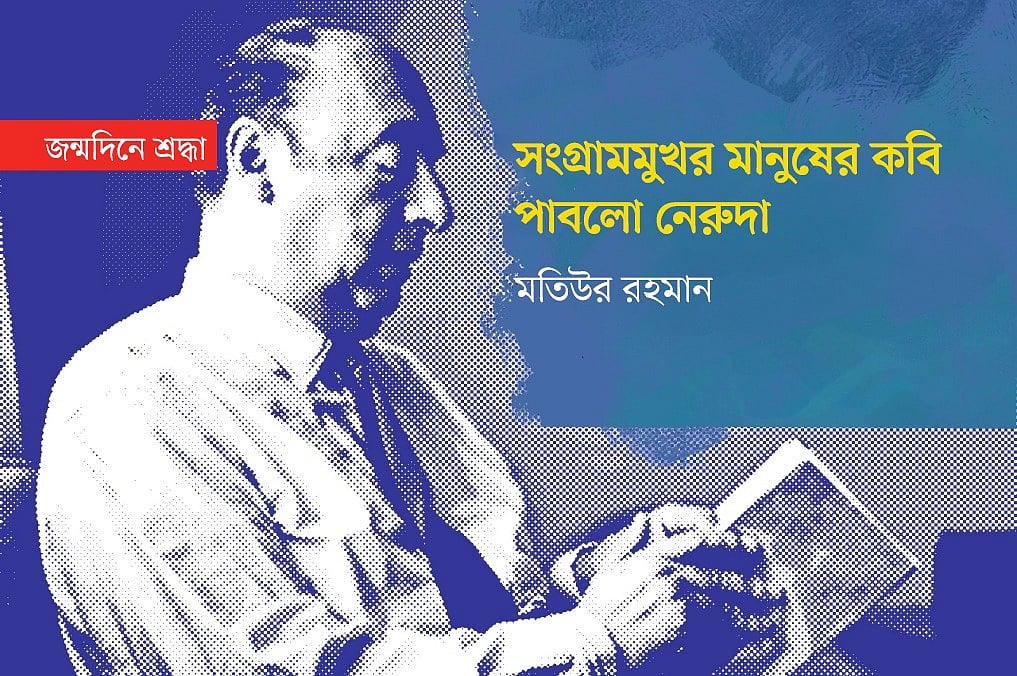
Pablo Neruda, a towering figure in Spanish-language literature, was born in Parral, Chile, on July 12, 1904. Revered as Latin America's most widely read poet, his life was a tapestry of roles: politician, diplomat, revolutionary, lover, and Nobel laureate. Neruda's profound impact extended beyond his poetry into the political arena, where he was nominated by the Communist Party of Chile for the presidency in 1970. Ultimately, his close comrade Salvador Allende, representing the People's Unity bloc, secured the presidency. Allende's tenure was tragically cut short by a military coup on September 11, 1973, leading to his overthrow and subsequent death. These events deeply affected Neruda, who passed away in Santiago just twelve days later, on September 23, 1973. While officially attributed to cancer, his death later sparked controversy with allegations of poisoning.
Neruda's work consistently celebrated his homeland, Chile, and championed the struggles of ordinary people, their joys, sorrows, and aspirations. His poetry became a powerful voice for resistance across Latin America, capturing the tumultuous global revolutionary movements. He infused his verses with themes of war, hunger, life, labor, and love, bringing to life landscapes from remote cities to natural wonders. His early career saw him gain fame for his poetry, even resorting to selling his deceased father's watch to fund his creative pursuits. Neruda also served as a Chilean consul in various cities, including Rangoon, Colombo, Batavia, Singapore, Madrid, Buenos Aires, Paris, and Mexico City, and traveled extensively, advocating for world peace.
His political activism included supporting Republican patriots during the Spanish Civil War and organizing aid for refugees. Neruda was a recipient of the World Peace Prize in 1950 alongside Pablo Picasso and Paul Robeson, and the Stalin Peace Prize (later the Lenin Peace Prize) in 1953. In 1965, he was awarded an honorary doctorate from Oxford University, the first Latin American writer to receive such an honor. Following the establishment of the left-wing government in Chile in 1970, Neruda was appointed ambassador to Paris, a position he later resigned to dedicate more time to his poetry. In 1971, he was awarded the Nobel Prize in Literature for his ability to bring alive an entire continent's destiny and dreams through his poetry. His embrace of Marxism profoundly influenced his writing, imbuing it with a powerful momentum that resonated with the struggles of the working class and revolutionary movements.
Pablo Neruda's life and work exemplify the complex interplay between artistic expression and political engagement, particularly within the context of 20th-century Latin American revolutionary movements. His embrace of Marxism, as noted, energized his poetry, aligning it with the struggles of the working class and amplifying its revolutionary message. This ideological commitment, while celebrated by supporters and potentially contributing to his Nobel recognition, also positioned him as a figure of contention in geopolitical landscapes, particularly during the Cold War era. The controversy surrounding his death, though officially attributed to cancer, raises questions about the potential for political motivations in the demise of influential figures during periods of intense political upheaval. Examining Neruda's trajectory highlights the enduring tension between artistic autonomy and ideological commitment, and how deeply intertwined these can become for creators operating within politically charged environments. His legacy prompts reflection on how art can serve as both a mirror to societal struggles and a catalyst for change, while also underscoring the risks inherent in such public and political stances.
AI-generated to prompt reflection — not editorial opinion, not advice, not a statement of fact. How this works.