Pacific Bluefin Tuna Quotas Unchanged for Next Year After International Talks Fail
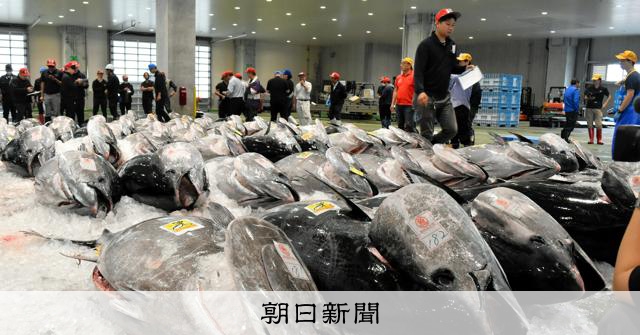
International discussions regarding an increase in Pacific bluefin tuna fishing quotas for the period beyond next year have concluded without reaching an agreement. The outcome means that current fishing limits will likely remain in place, potentially impacting future management strategies for the species. Representatives from various nations convened for the international conference to deliberate on the sustainable harvesting of this valuable fish stock. The failure to agree on revised quotas raises concerns among conservationists and fishing industries alike about the long-term health of the Pacific bluefin tuna population. Further negotiations or revised proposals may be necessary to address the differing viewpoints on quota adjustments. The current status quo suggests a cautious approach to managing the fishery, prioritizing stability over immediate expansion. The implications of this decision will be closely monitored by stakeholders involved in the Pacific tuna trade and conservation efforts. The conference's inability to find common ground highlights the complexities of international fisheries management and the challenges in balancing economic interests with ecological sustainability.
The international community's inability to reach a consensus on increasing Pacific bluefin tuna quotas underscores the persistent tension between immediate economic demands from the fishing industry and the imperative for long-term ecological sustainability. This stalemate suggests that current data or projections may not sufficiently assuage all parties' concerns about stock recovery and future yields. Moving forward, a more robust, transparent, and universally accepted scientific framework for stock assessment could facilitate agreement. Alternatively, exploring innovative management tools, such as dynamic quota adjustments tied to real-time environmental or biological indicators, might offer a path to reconcile differing risk tolerances and foster more adaptive governance structures for this vital marine resource.
AI-generated to prompt reflection — not editorial opinion, not advice, not a statement of fact. How this works.