Pair Arrested for Falsely Accusing Bar Owner of Drug Trafficking in Rorainópolis
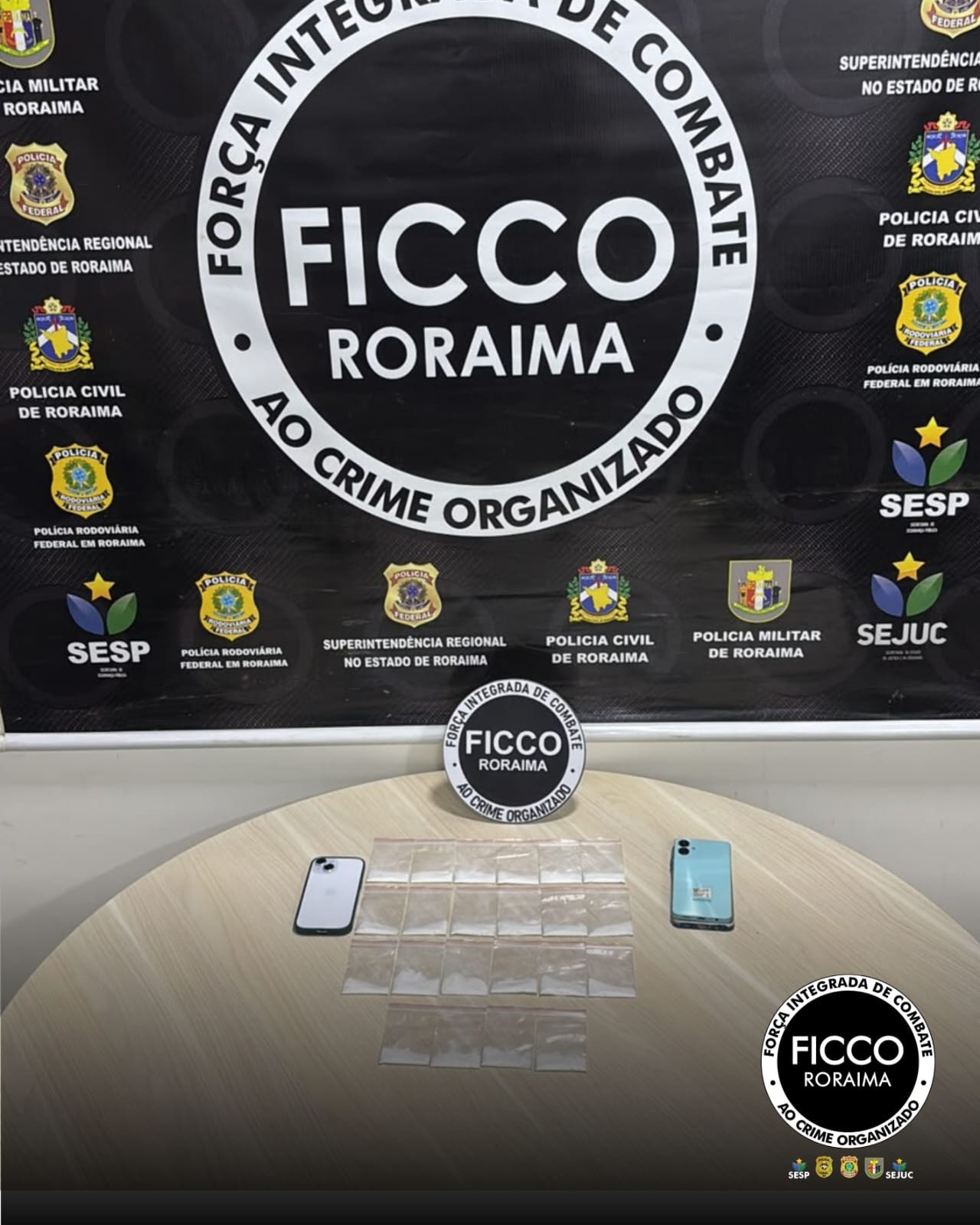
A 38-year-old bricklayer and a 22-year-old woman have been arrested in Rorainópolis, Roraima, on suspicion of drug trafficking and false accusation. The pair allegedly attempted to frame the owner of a local bar by planting what appeared to be drugs in the establishment. The Integrated Force to Combat Organized Crime (Ficco), which includes the Military Police, apprehended the suspects on Friday, May 10th. The bricklayer reportedly made an anonymous tip about drug sales at the bar. However, during the investigation, police discovered that the substance had been planted to harm one of the bar's owners. Authorities state the plan was orchestrated by the 22-year-old woman, who is the ex-partner of the bar owner. When Ficco officers arrived at the bar to investigate the tip, they found two female owners present. A search revealed a bag containing 22 packages resembling cocaine in the establishment's bathroom. The owners denied knowledge of the substance, stating the bathroom was for customer use. This led police to suspect a setup. Security camera footage identified the bricklayer as the one who made the anonymous call. He was later located at a convenience store and confessed to making the false report. The young woman admitted to planning the scheme as revenge against her former partner, revealing she paid the bricklayer to plant the drugs and call the police. The bricklayer claimed the substance was a mix of baking soda and dipyrone powder, packaged to look like cocaine. However, preliminary forensic analysis at the police station indicated the presence of cocaine. Consequently, both the bricklayer and the woman identified as the instigator were arrested for drug trafficking and false accusation, and taken to the Rorainópolis Civil Police station. The bar later published a statement on Instagram confirming that external parties had planted drugs to harm the business.
This incident highlights the potential for personal vendettas to escalate into criminal acts, leveraging law enforcement processes for malicious intent. The case underscores the importance of robust verification protocols within law enforcement to distinguish genuine tips from fabricated accusations, especially when personal disputes are involved. The alleged use of readily available substances to simulate illegal drugs raises questions about the sophistication of such schemes and the need for rapid, accurate forensic analysis to prevent wrongful accusations. Moving forward, the intersection of personal grievances and the criminal justice system warrants careful consideration, focusing on deterrents against the weaponization of legal processes and ensuring accountability for those who abuse them.
AI-generated to prompt reflection — not editorial opinion, not advice, not a statement of fact. How this works.